The hum of a mixer is often the soundtrack to culinary creativity, a symphony of ingredients coming together to form delicious creations. But behind every whirring beater and spinning paddle lies the power of electricity, a force that, while indispensable, demands respect. As an experienced technician with over a decade specializing in hand mixers, I understand the intricate dance between convenience and caution. Electric shocks, though rare, can turn a pleasant baking session into a perilous one. Understanding the risks and implementing simple safety measures is paramount to ensuring your kitchen remains a safe haven for culinary adventures.
This comprehensive guide will equip you with the knowledge to safely operate and maintain your hand mixer, minimizing the risk of electrical hazards. We’ll delve into everything from understanding your appliance’s electrical components to practical everyday tips that can prevent accidents. By integrating these safety practices into your routine, you can confidently wield your mixer, knowing you’ve taken every step to protect yourself and your loved ones from potential electric shocks.
Understanding Your Mixer and Electrical Safety Fundamentals
An electric mixer, whether handheld or a stand model, operates by converting electrical energy into mechanical motion to mix, beat, or knead ingredients. While designed for safety, like any electrical appliance, it carries inherent risks if not handled correctly. An electric shock occurs when current passes through the body, which can range from a mild tingling sensation to severe injury or even fatality, depending on the voltage and current path. The primary goal of electrical safety is to prevent this current from taking an unintended path through a person.
The benefits of using a hand mixer are undeniable: efficiency, consistency, and ease of use compared to manual methods. They significantly cut down preparation time and effort for tasks like whipping cream, beating eggs, or mixing batter. However, these advantages come with the responsibility of understanding basic electrical safety. This includes recognizing the importance of insulation, grounding, and protective devices, all of which are crucial layers of defense against electrical hazards in your kitchen.
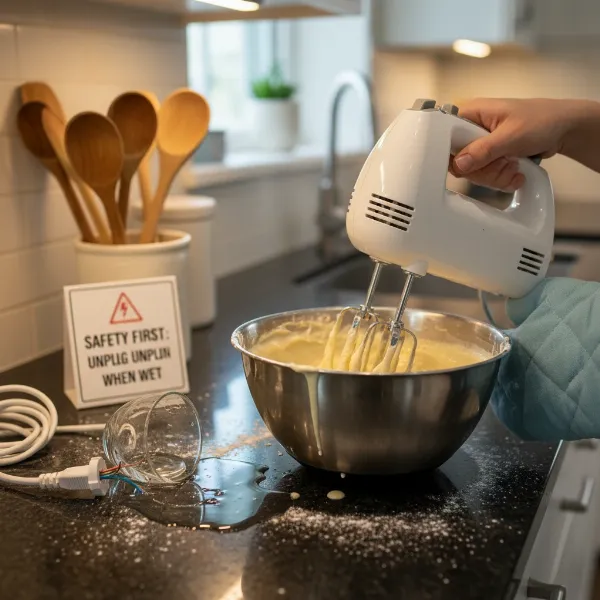 Hand mixer operating safely in a kitchen environment, highlighting both benefits and potential electrical risks.
Common Pathways to Electric Shock from Mixers
Several scenarios can lead to an electric shock when using a mixer. Recognizing these common pathways is the first step in prevention.
- Damaged Cords or Plugs: Frayed wires, cracked insulation, or bent/missing grounding prongs expose live electrical components, creating a direct path for current to pass to a user.
- Water and Moisture: Electricity and water are a dangerous combination. Operating a mixer with wet hands, on a wet countertop, or near a sink significantly increases the risk, as water is an excellent conductor.
- Internal Malfunctions: Over time, internal wiring can degrade, or components can fail, leading to current escaping the insulated pathways and electrifying the mixer’s casing.
- Improper Grounding: Grounding is a safety feature that provides a safe path for electricity to flow in case of a fault, diverting it away from the user. If a mixer’s grounding is compromised, either due to a faulty plug or outlet, this protection is lost.
- Contact with Moving Parts While Plugged In: While not directly an “electric” shock, accidentally touching the beaters or other moving parts while the mixer is plugged in can lead to serious injury and may precede an electrical issue if components are damaged.
Essential Safety Practices for Mixer Use
Preventing electric shocks requires a proactive approach, integrating safety into every step of using your mixer.
Pre-Use Inspection: Your First Line of Defense
Before you even plug in your mixer, a quick visual inspection can save you from potential danger.
- Cords and Plugs: Always check the power cord for any signs of wear, cuts, fraying, or exposed wires. Examine the plug for bent or missing prongs, especially the grounding prong (the third, round prong). If you spot any damage, do not use the mixer and seek professional repair or replacement.
- Mixer Housing: Look for cracks or damage to the mixer’s casing. Any breaches could expose internal electrical components.
- Attachments: Ensure beaters and other attachments are free from damage and properly seated before plugging in.
|
Our Picks for the Best Hand mixer in 2026
As an Amazon Associate I earn from qualifying purchases.
|
||
| Num | Product | Action |
|---|---|---|
| 1 | 600W Electric Hand Mixer Kitchen Handheld Mixer 10 Speed Powerful with Turbo for Baking Cake Lightweight & Personal Electric Mixer with Egg Baking Beaters Dough Hooks, Whipping Mixing Cookies |

|
| 2 | OVENTE 5-Speed Electric Hand Mixer with Stainless Steel Mixing Whisk, Snap-On Storage Case, Portable & Lightweight 150W Motor, Compact Handheld Mixer for Baking, Blending or Cooking, Red HM151R |
|
| 3 | Maestri House Rechargeable Milk Frother with Stand, LunaFro Handheld Electric Foam Maker Waterproof Detachable Stainless Steel Whisk Drink Mixer Foamer for Lattes, Cappuccino |
|
| 4 | KitchenAid 5 Ultra Power Speed Hand Mixer - KHM512, Aqua Sky |
|
| 5 | Wellness Extract Multi-Speed Rechargeable Electric Milk Frother, Li-ion Battery Powered – Certified Safe, Ideal for Coffee, Matcha, Protein & Colostrum |
|
| 6 | OVENTE 5-Speed Corded Electric Hand Mixer with Stainless Steel Whisks, Compact Portable Design with Snap-On Storage Case,150W Lightweight Handheld Mixer for Baking & Cooking, Black HM151B |
|
| 7 | KitchenAid 5-Speed Ultra Power Hand Mixer |
|
| 8 | KitchenAid 5-Speed Ultra Power Hand Mixer - KHM512, Contour Silver |
|
| 9 | OVENTE 5-Speed Corded Electric Hand Mixer with Stainless Steel Whisks, Compact Portable Design with Snap-On Storage Case,150W Lightweight Handheld Mixer for Baking & Cooking, White HM151W |
|
| 10 | Hamilton Beach 6-Speed Electric Hand Mixer with Whisk, Traditional Beaters, Snap-On Storage Case, 250 Watts, White |
|
Safe Operation Environment: Keep it Dry and Clear
The environment where you use your mixer plays a critical role in electrical safety.
- Dry Hands and Surfaces: Always ensure your hands are completely dry before touching the mixer or its plug. Operate your mixer on a clean, dry countertop, away from sinks, wet cloths, or any other sources of moisture.
- Ventilation: Ensure the mixer’s ventilation slots are clear and unobstructed to prevent overheating, which can lead to component failure and potential electrical issues.
- Clear Workspace: Keep your work area tidy, free from clutter and other liquids that could accidentally spill onto the mixer.
Power Management: The Golden Rules
How you connect and disconnect your mixer to power is vital.
- Proper Outlets: Always plug your mixer into a grounded electrical outlet. Avoid overloading circuits by plugging multiple high-wattage appliances into a single outlet.
- Avoid Extension Cords (Where Possible): Limit the use of extension cords. If absolutely necessary, use a heavy-duty, grounded extension cord rated for the mixer’s wattage and for temporary use only.
- Unplug When Not in Use: Develop the habit of unplugging your mixer immediately after use, before cleaning, and before inserting or removing attachments. This simple step eliminates any live electrical current, preventing accidental activation or shocks.
- Pull by the Plug, Not the Cord: When disconnecting, always grip the plug firmly and pull from the outlet. Never yank the cord, as this can damage internal wiring or the plug itself.
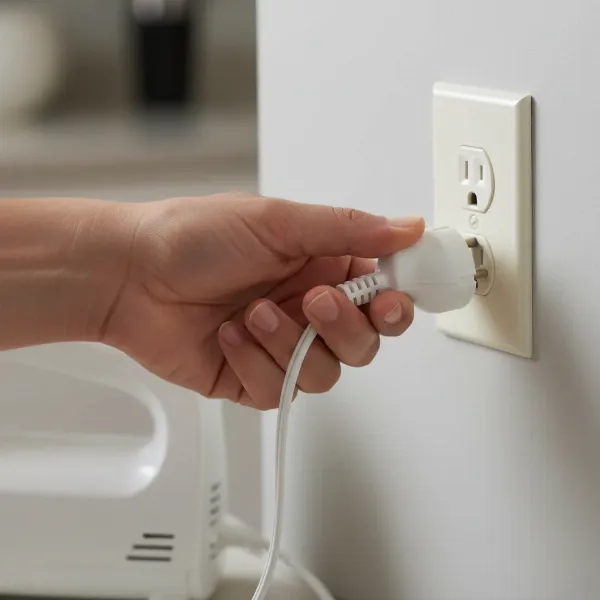 Hand pulling an electric mixer plug safely from an outlet, emphasizing proper cord handling.
Maintenance and Care: Extending Safety and Lifespan
Regular care and proper maintenance ensure your mixer remains safe and functional for years.
- Cleaning: Always unplug the mixer before cleaning. Wipe down the main body with a damp (not wet) cloth. Beaters and detachable parts are usually dishwasher- safe or can be washed in warm, soapy water. Ensure all parts are completely dry before reassembling or storing.
- Storage: Store your mixer in a dry place, away from extreme temperatures and moisture. Coil the cord loosely to prevent kinking or damage.
- Professional Servicing: If your mixer exhibits unusual behavior (e.g., strange noises, burning smells, intermittent power, or even a mild tingling sensation when touched), discontinue use immediately and seek professional repair. Never attempt to open or repair the electrical components yourself.
“Safety in the kitchen begins with awareness. Simple habits, like inspecting cords and keeping water away, can be life-savers. Don’t underestimate the power of a tiny appliance.” – [Your Name/Role as Admin of handmixerguide.com], Hand Mixer Specialist
What to Do If You Suspect an Electrical Issue
Even with the best precautions, sometimes issues can arise. Knowing how to react quickly and safely is crucial.
- Mild Tingle vs. Continuous Shock: A brief, static-like zap can sometimes occur, especially in dry environments, and is generally harmless. However, if you feel a continuous “throbbing” or pulsing sensation when touching your mixer, or a significant shock, this indicates a serious electrical fault, possibly a grounding problem.
- Immediate Action: If you suspect an electrical issue (burning smell, sparks, continuous shock), immediately turn off the power at the circuit breaker if safely possible, then unplug the mixer.
- Do Not Use: Do not attempt to use the mixer again until it has been inspected and repaired by a qualified electrician or service technician.
- Professional Help: Electrical repairs are not DIY projects. Always consult a professional to diagnose and fix electrical faults to ensure safety and compliance with electrical standards.
Buying Guide: Prioritizing Safety in Your Next Mixer
When selecting a new hand mixer, safety features should be a top consideration.
- Look for Safety Certifications: Ensure the mixer bears recognized safety certifications (e.g., UL, CE, ETL) from reputable testing laboratories. These indicate the product meets specific safety standards.
- Durable Construction: A mixer with robust, well-constructed housing and high-quality insulation on its cord and internal wiring provides better protection.
- Grounding: Opt for mixers with a three-prong grounded plug for enhanced safety.
- Simple Controls: Easy-to-understand controls and an accessible on/off switch allow for quick operation and shutdown if needed.
- Reputable Brands: Established brands often adhere to higher manufacturing standards and have better quality control, contributing to safer appliances.
Conclusion
The hand mixer is an invaluable tool for any home baker or cook, empowering you to create culinary masterpieces with ease. However, this convenience must always be balanced with a steadfast commitment to electrical safety. By consistently inspecting your appliance, maintaining a dry and clean workspace, practicing responsible power management, and understanding how to react to potential issues, you transform your kitchen into a safer, more enjoyable environment.
Remember, a little vigilance goes a long way in preventing electric shocks. Prioritize these safety tips not just as rules, but as integral parts of your cooking routine. What simple safety habit will you adopt today to make your kitchen even safer?
Frequently Asked Questions
Why is it so important to unplug my hand mixer when changing beaters?
Unplugging your hand mixer before changing beaters is crucial to prevent accidental activation. Even a momentary bump of the power button can cause the beaters to spin unexpectedly, leading to painful finger injuries or damage to the appliance itself. This simple action completely de-energizes the mixer, making it safe to handle attachments.
Can static electricity from my mixer cause a real electric shock?
A static electricity discharge, often felt as a quick, harmless zap, is different from an electric shock caused by a fault in the mixer. Static shocks occur when accumulated electrical charge on your body discharges to a grounded object. While annoying, it’s not typically dangerous to you. A true electrical shock, often a continuous throbbing sensation, indicates a serious internal fault that requires immediate attention and professional repair.
What should I do if my mixer cord gets slightly frayed?
If you notice any fraying, cuts, or exposed wires on your mixer’s power cord, you should immediately stop using the appliance. A damaged cord can expose live wires, posing a significant risk of electric shock or fire. Do not attempt to repair the cord with electrical tape; instead, have the cord professionally replaced or consider replacing the mixer if the repair is not feasible or safe.