Have you ever been in the middle of creaming butter and sugar for your favorite cookie recipe, only to watch the glorious mixture stubbornly climb up the middle of your mixer’s beaters? It’s a frustrating, sticky mess. If you’ve ever wondered What Are Beaters Without A Center Post and why they’re suddenly everywhere, you’ve come to the right place. They are more than just a new design; they’re a simple but brilliant evolution in the world of hand mixers, designed to solve that exact problem and make your baking life a whole lot easier.
As a kitchen gadget enthusiast who has tested more hand mixers than I can count, I can tell you that this seemingly small change makes a massive difference. Let’s dive deep into the world of these modern attachments and discover why your next hand mixer should absolutely come with them.
A Quick Spin Through Hand Mixer History
To appreciate the genius of the post-less beater, we need a quick look back. The earliest hand mixers were manual, hand-cranked devices. When electric versions came along, they largely copied the design of their predecessors. This included the traditional “wire-frame” beaters, which featured a central metal post for structural support.
For decades, this was the standard. We all just accepted that we’d have to periodically stop our mixers, grab a spatula, and scrape the dough back down into the bowl. It was just part of the process, right? Well, not anymore. Engineers and designers started asking a simple question: “What if we could make these stronger without that pesky center post?” And thus, a new generation of beaters was born.
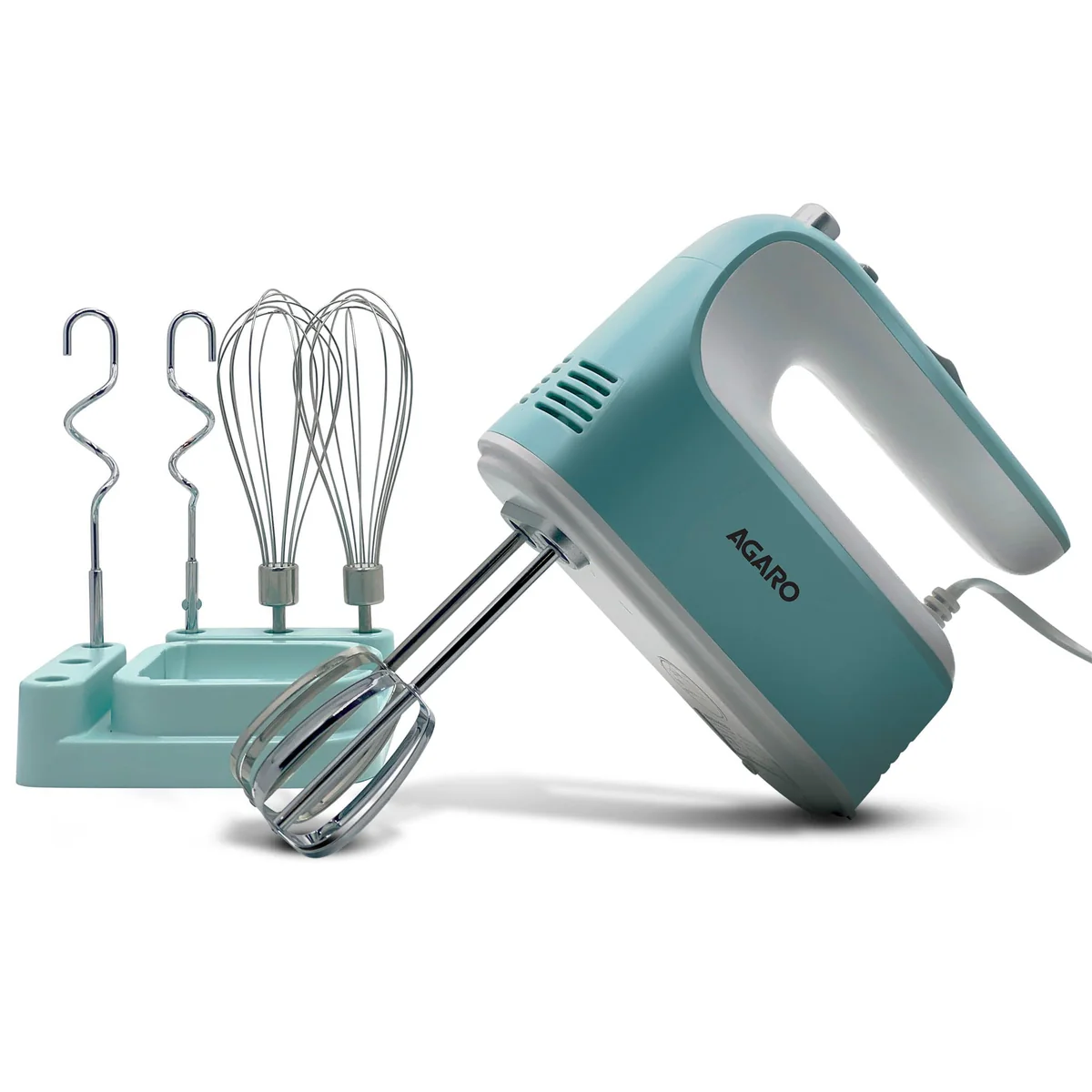
What Are Beaters Without a Center Post, and Why Do They Matter?
So, what are we actually talking about? Beaters without a center post, often called “wire beaters” or “open-ended beaters,” are attachments that lack the central rod found in traditional designs. They are typically made from stronger, thicker stainless steel, allowing them to maintain their shape and rigidity without the central support column.
This design isn’t just for looks. It offers three huge, tangible benefits that will change the way you feel about using your hand mixer.
- No More Dough Climbing: This is the big one. Without a central post to cling to, thick batters and cookie doughs have nowhere to go but back into the bowl to be mixed. This means less stopping and scraping, leading to a more efficient mixing process and more evenly incorporated ingredients.
- Insanely Easy to Clean: Let’s be honest, cleaning the nooks and crannies around that center post is a pain. Gummy dough and dried-on batter get stuck in there, requiring a brush or a well-aimed blast of water. With an open design, a simple rinse and a swipe with a sponge is usually all it takes. They are a true time-saver and are almost always dishwasher safe.
- Better Mixing Performance: Because the open design moves more freely through ingredients, it can incorporate them more effectively. They create less drag in thick mixtures and can whip air into liquids like egg whites and cream more efficiently, giving you lighter, fluffier results.
“For a home baker, the switch to beaters without a center post is a quality-of-life upgrade you don’t realize you need until you have it. It streamlines the entire mixing and cleanup process, letting you focus on the joy of baking, not the chore of your equipment.” – Pastry Chef Isabelle Dubois
Key Features to Look for in a Modern Hand Mixer
When you’re ready to upgrade to a mixer that includes what are beaters without a center post are designed for, there are a few other key features to consider to ensure you get the perfect kitchen companion.
Power (Wattage)
Don’t be fooled by a high wattage number alone. While a motor between 200-250 watts is a good baseline for most tasks, the efficiency of the motor is what truly counts. A well-engineered 200-watt mixer can easily outperform a poorly designed 300-watt one. Look for models known for their torque, which is the rotational force needed to power through heavy mixtures like bread dough or chilled cookie batter.
Speed Settings
Variety is your friend here. A good hand mixer should have at least 5 speed settings, but many modern ones offer 7, 9, or even more. The most crucial feature, however, is a slow-start function. This prevents a “flour cloud” from erupting from your bowl the second you turn the mixer on. It gently ramps up to your desired speed, keeping ingredients where they belong.
Attachments
This is where the magic happens. Your mixer is only as good as the tools it comes with.
- Wire Beaters: As we’ve discussed, ensure the primary beaters are the open-ended design without a center post. This is non-negotiable for modern performance.
- Dough Hooks: If you plan on making bread or pizza dough, these are essential. They knead the dough for you, saving your arms a serious workout.
- Whisk Attachment: A single, large balloon whisk is fantastic for whipping cream and egg whites to perfection, often much faster than standard beaters.
Corded vs. Cordless
This is a matter of personal preference.
- Corded: Generally more powerful and you never have to worry about a dead battery in the middle of a recipe. The cord can sometimes get in the way.
- Cordless: Offers incredible freedom and convenience. You can mix anywhere in your kitchen. Just be mindful of battery life and charging time. They are perfect for quick tasks but may not have the sustained power for very long, heavy-duty jobs.
|
Our Picks for the Best Hand Mixer in 2025
As an Amazon Associate, we earn from qualifying purchases.
|
||
| Num | Product | Action |
|---|---|---|
| 1 | Hand Mixer Electric Mixing Bowls Set, 5 Speeds Handheld Mixer with 4 Nesting Stainless Steel Mixing Bowl, Measuring Cups Spoons 200W Kitchen Blender Whisk Beater Baking Supplies For Beginner |

|
| 2 | Hand Mixer Electric, 400W Food Mixer 5 Speeds Handheld Blender, 5 Stainless Steel Accessories, Storage Box, Kitchen Blender with Cord for Cream, Cookies, Dishwasher Safe, White |
|
| 3 | Cuisinart HM-90BCS Power Advantage Plus 9-Speed Handheld Mixer with Storage Case, Brushed Chrome |
|
| 4 | Hand Mixer Electric, 450W Kitchen Mixers with Scale Cup Storage Case, Turbo Boost/Self-Control Speed + 5 Speed + Eject Button + 5 Stainless Steel Accessories, For Easy Whipping Dough,Cream,Cake |
|
| 5 | bella 3.5 Qt Hand & Stand Mixer, 2 in 1 Electric Mixer with Bowl, Dough Hook, Whisk & Egg Beater, Multifunctional Handheld Blender & Mixer for Baking, 200 Watt, Surf |
|
| 6 | Ninja Hand Mixer, Immersion Blender, Foodi Power Mixer System, 750-Peak-Watt Handheld Emulsion Blender & Electric Hand Mixer Combo With Whisk, Beaters & 3-Cup Blending Vessel,120 volts, Black CI101 |
|
| 7 | KitchenAid 5 Ultra Power Speed Hand Mixer - KHM512, Matte Black |
|
| 8 | Proctor Silex Easy Mix 5-Speed Electric Hand Mixer with Bowl Rest, Compact and Lightweight, 215 Watts of Peak Power, Storage Case, Black (62512) |
|
| 9 | Hand Mixer Attachments Beater 6Pcs, Whisk, Blending Rod and Dough Hooks, Stainless Steel Hand Mixer Accessories for Kitchenaid Hand Mixers KHM3 KHM5 KHM7 KHM9, Dishwasher Safe |
|
| 10 | KitchenAid 9-Speed Digital Hand Mixer with Turbo Beater II Accessories and Pro Whisk - Contour Silver |
|
How to Use Your Hand Mixer for Perfect Results
Getting the most out of your mixer is easy. Just follow these simple steps for a flawless experience every time.
- Choose the Right Attachment: Use the wire beaters for batters, cookie dough, and creaming. Use the whisk for liquids like cream and egg whites. Use dough hooks for yeast doughs.
- Start Low and Go Slow: Always begin mixing on the lowest speed setting. This combines the ingredients gently and prevents them from flying out of the bowl.
- Gradually Increase Speed: Once the dry and wet ingredients are mostly combined, you can slowly increase the speed to what the recipe calls for.
- Move the Mixer: Don’t just hold the mixer in one spot. Move it around the bowl in a circular motion, ensuring you cover the center and the sides to get a consistent, even mix.
- Don’t Overmix: This is especially important for things like cake batter and muffins. Overmixing develops the gluten in the flour, which can lead to a tough, rubbery texture. Mix only until the ingredients are just combined.
The Showdown: Hand Mixer vs. Stand Mixer vs. Whisk
Where does a hand mixer fit in a well-equipped kitchen? Let’s break it down.
| Feature | Hand Mixer | Stand Mixer | Whisk (by hand) |
|---|---|---|---|
| Best For | Quick jobs, small batches, everyday baking (cookies, cakes) | Large batches, heavy doughs, multi-tasking | Small, quick tasks (scrambling eggs, vinaigrettes) |
| Cost | $ – $$ | $$$ – $$$$ | $ |
| Storage | Compact, fits in a drawer | Bulky, needs counter space | Very compact |
| Power | Good | Excellent | Relies on your arm strength |
| Convenience | High (portable) | Moderate (hands-free) | Low (labor-intensive) |
A hand mixer with what are beaters without a center post are known for—efficiency and ease—is the perfect middle ground. It’s more powerful and efficient than a whisk but more affordable and easier to store than a stand mixer, making it the workhorse for most home bakers.
Keeping It Clean: Proper Care for Your Hand Mixer
Proper care will keep your hand mixer running smoothly for years.
- Attachments: Most modern attachments (wire beaters, dough hooks) are top-rack dishwasher safe. Always check your manufacturer’s instructions. For hand washing, a little soap and warm water are all you need.
- Mixer Body: Never submerge the main body of the mixer in water. This will destroy the motor. Simply wipe it down with a damp cloth to clean up any splatters.
- Vents: Pay special attention to the motor’s air vents. Use a dry brush (like a pastry brush or an old toothbrush) to clear them of any flour dust to prevent the motor from overheating.
- Storage: Store your mixer and its attachments together, perhaps in the original box or a dedicated storage bag, so you never have to hunt for a missing beater again.
Frequently Asked Questions (FAQ)
Q: Can I use beaters without a center post for thick cookie dough?
A: Absolutely! In fact, they are far superior for thick doughs. Because there’s no central post, the dough is less likely to climb up the beaters, resulting in a much cleaner and more efficient mixing experience.
Q: Are beaters from different brands interchangeable?
A: Generally, no. Beaters are designed to fit the specific model and brand of your hand mixer. Attempting to use a beater from another brand could damage both the attachment and your mixer’s motor.
Q: What is the best material for beaters?
A: Stainless steel is the gold standard. It’s durable, rust-resistant, non-reactive with acidic ingredients (like lemon juice), and easy to clean. Avoid beaters with a chrome coating, which can chip or flake off over time.
Q: Can I use a hand mixer to mash potatoes?
A: Yes, it’s a fantastic hack for creamy, fluffy mashed potatoes! Use the standard wire beaters on a low to medium speed. Be careful not to overmix, as that can make the potatoes gummy.
Q: Why does my hand mixer get hot?
A: It’s normal for a hand mixer to get slightly warm during prolonged use, especially when working with heavy doughs. However, if it becomes uncomfortably hot to the touch or you smell a burning odor, stop immediately. It may be a sign the motor is being overworked or that the vents are clogged.
Your Best Bake Awaits
Understanding what are beaters without a center post is about more than just knowing a piece of kitchen trivia; it’s about empowering yourself to choose a tool that makes your time in the kitchen more joyful and productive. This simple innovation solves one of the most common frustrations of baking, leaving you with better results and less cleanup. The next time you’re shopping for a hand mixer, look for that open-ended design. Your future self—and your delicious cookies—will thank you.