Let’s be honest, we’ve all been there. You followed the recipe to the letter, your kitchen smells heavenly, but the cake comes out of the oven looking more like a dense pancake than a light, fluffy cloud. It’s a soul-crushing moment for any baker. Often, the culprit isn’t the ingredients or the oven temperature, but the very tools you used to mix them. That’s why understanding What Is The Best Beater For Cake Batter is not just a minor detail; it’s the foundation of your baking success. As your resident hand mixer enthusiast, I’m here to demystify the world of beaters and turn your cake-making game from good to absolutely glorious.
The Unsung Heroes of Your Hand Mixer: A Beater Breakdown
Before we crown a champion, let’s get acquainted with the team. Most hand mixers come with a standard set of attachments, and each has a very specific job. Using the right one is like choosing a paintbrush for a specific stroke—it makes all the difference.
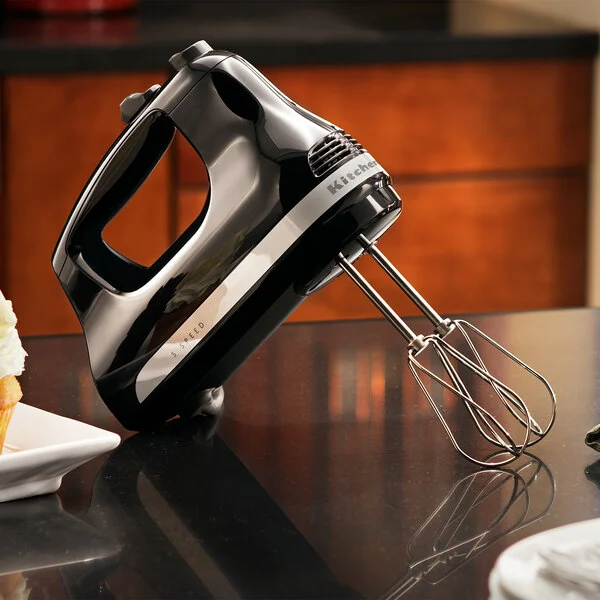
Traditional Twin Beaters (aka Turbo Beaters)
These are the workhorses of the hand mixer world. They typically look like two intertwined, wire-frame ovals. Their design is a little piece of engineering genius, crafted to do two things simultaneously: cut through ingredients and incorporate air. They are your go-to for the vast majority of mixing tasks.
Dough Hooks
Shaped like twisted corkscrews, these attachments are built for strength, not speed. Their job is to knead bread dough, developing the gluten strands that give bread its chewy structure. They work at lower speeds and are designed to handle heavy, dense mixtures.
Whisk Attachment
Usually a single, balloon-shaped whisk, this attachment is all about aeration. Its many fine wires are perfect for whipping large volumes of air into liquids, like turning egg whites into stiff peaks for meringue or heavy cream into whipped cream. It’s the master of light and airy textures.
The Big Question: What Is the Best Beater for Cake Batter?
So, for that perfect Victoria sponge or classic yellow birthday cake, which attachment should you reach for? The clear winner, in almost all traditional cake scenarios, is the standard twin beater.
The answer is simple: The twin beaters are perfectly designed for the most critical step in making most butter-based cakes: the creaming method. Their shape and motion excel at cutting the cold, firm butter into the sugar crystals. This process creates thousands of tiny air pockets. These pockets are the very foundation of a light, tender cake crumb. As you add eggs and other liquids, these beaters continue to trap air while emulsifying the fats and liquids into a smooth, homogenous batter.
As renowned pastry chef Evelyn Reed often says, “A cake’s final texture is decided in the first five minutes of mixing. The creaming of butter and sugar isn’t just mixing; it’s architecture. Your twin beaters are the architects building the airy foundation.”
A whisk attachment, while great for aeration, can be too aggressive, potentially over-developing gluten once the flour is added. Dough hooks, on the other hand, are too slow and clumsy; they’ll simply push the butter and sugar around the bowl instead of creaming them effectively.
It’s Not Just the Beater, It’s How You Use It
Choosing the right beater is half the battle. The other half is technique. Using your twin beaters correctly will elevate your baking from home-cook to pro-level.
- Start with the Creaming Method: Begin with softened (not melted!) butter and sugar. Start your mixer on a low speed to combine them without flinging sugar all over your kitchen, then gradually increase to a medium speed. Beat for a solid 3-5 minutes. The mixture should become visibly lighter in color and look fluffy, almost like frosting. This is where the magic happens!
- Add Eggs One at a Time: Scrape down the sides of the bowl. Add your first egg and beat on medium speed until it’s fully incorporated. The batter might look a little curdled, but don’t worry. Scrape the bowl again, then add the next egg. This ensures a stable emulsion.
- The Alternating Dance: This is key to preventing overmixing. Add about one-third of your dry ingredients (flour, baking powder, etc.) and mix on the lowest speed just until combined. Then, add half of your liquid ingredients (like milk or buttermilk) and mix on low until just combined. Repeat this process, ending with the last third of the dry ingredients. Remember, the moment you no longer see streaks of flour, stop mixing!
When to Ditch the Standard Beaters: Special Cases
While twin beaters are the MVP for most cakes, there are a few exceptions where another player shines.
For Angel Food, Chiffon, or Genoise Sponge Cakes
These cakes rely almost entirely on whipped eggs for their leavening and structure. For these delicate tasks, the whisk attachment is your undisputed champion. It’s specifically designed to whip a massive amount of air into egg whites or whole eggs, creating the stable, voluminous foam that gives these cakes their signature ethereal texture. Using twin beaters here would simply not incorporate enough air.
For Dense Coffee Cakes or Quick Breads
You’ll still use the twin beaters for these, but your technique will change. These recipes often call for the “muffin method” (mixing wet and dry ingredients separately, then combining) or have a much higher flour-to-fat ratio. The goal here is to mix as little as possible to avoid a tough, chewy result. Use your beaters on the lowest speed and stop the second the ingredients are combined.
Hand Mixer Beaters vs. Stand Mixer Attachments: A Quick Showdown
How do the beaters on your trusty hand mixer stack up against the attachments of its bigger, burlier cousin, the stand mixer?
| Feature | Hand Mixer Twin Beaters | Stand Mixer Flat Beater/Paddle |
|---|---|---|
| Power | Good for most home baking tasks. | Superior power for large, heavy batches. |
| Control | Excellent. You can move the beaters around the bowl. | Less control; relies on the paddle’s planetary action. |
| Aeration | Very effective for creaming and incorporating air. | The gold standard for creaming butter and sugar. |
| Best For | Standard cakes, cookies, quick breads, frostings. | Double batches, dense cookie doughs, pound cakes. |
| Convenience | Lightweight, easy to store, quick to clean. | Heavy, requires counter space, more parts to clean. |
While a stand mixer’s flat paddle is often considered the ultimate tool for creaming, a good hand mixer with quality twin beaters can achieve nearly identical, fantastic results for standard-sized recipes.
Cleaning and Caring for Your Beaters
Your beaters work hard for you, so treat them right!
- Immediate Rinse: As soon as you’re done, eject the beaters and give them a quick rinse under hot water. This prevents batter from hardening on them like cement.
- Dishwasher Safe? Check! Most modern beaters are made of stainless steel and are top-rack dishwasher safe. Always check your manufacturer’s manual to be sure.
- Dry Thoroughly: Whether you hand wash or use a dishwasher, make sure your beaters are completely dry before storing them. This prevents any chance of rust, especially around the area where they click into the mixer.
- Store Smart: Keep your beaters with your hand mixer. Many models now come with a handy snap-on case to keep everything together.
Frequently Asked Questions (FAQ)
Q: Can I use a whisk attachment for the entire cake-making process?
A: It’s not recommended. While a whisk is perfect for whipping eggs or cream, it’s not effective for creaming butter and sugar. Furthermore, its design can easily over-develop the gluten in the flour, leading to a tough, rubbery cake.
Q: What happens if I use dough hooks for cake batter?
A: You’ll have a very frustrating experience and a poorly mixed cake. Dough hooks are designed to knead, not cream or aerate. They will simply push the ingredients around the bowl, failing to create the essential air pockets needed for a light texture.
Q: Are all twin beaters the same?
A: Not entirely. While the basic design is similar, some brands offer “turbo beaters” with a slightly different wire configuration for better efficiency. Others have beaters without the traditional center post, which makes them easier to clean as batter doesn’t get stuck in the middle.
Q: How do I know if I’ve overmixed my cake batter?
A: Once you’ve added the flour, an overmixed batter will look overly smooth, elastic, and almost glossy. The resulting cake will likely have a tough, dense texture with “tunnels” or large air holes running through it. The key is to mix only until the flour disappears.
Q: My beaters are showing small spots of rust. Are they still safe to use?
A: It’s best to replace them. While a tiny spot might not be harmful, rust can flake off into your food and indicates the protective coating on the metal has worn away. New beaters are an inexpensive investment in your baking safety and quality.
The Final Whisk
So, what is the best beater for cake batter? For the vast majority of cakes you’ll bake, your reliable standard twin beaters are the undeniable champions. They are the multi-talented tool designed to cream, aerate, and combine, setting your cake up for a light, tender, and delicious future. By pairing the right tool with the right technique, you’re no longer just following a recipe; you’re conducting a symphony of ingredients. Now go forth and bake with confidence! I’d love to hear about your cake successes in the comments below.