Let’s be honest, we’ve all been there. You unbox a brand-new hand mixer, excited to whip up some cookies, and you find the usual pair of beaters, maybe some dough hooks, and then… this one, lonely, single beater. Your first thought might be, “Did they forget to pack the other one?” It’s a common question, and you’re not alone in wondering What Is A Single Beater For. Far from being a packing error, this unique attachment is actually a specialized tool designed to make certain kitchen tasks easier, cleaner, and more efficient.
As the creator behind “Chuyên Gia Máy Trộn Cầm Tay,” I’ve tested countless attachments, and this humble single beater has earned a special place in my kitchen arsenal. It’s the unsung hero for small-batch mixing and precision tasks where its bigger, twin sibling would be overkill. In this definitive guide, we’ll demystify this attachment, explore its unique advantages, and show you exactly when to reach for it.
The Big Reveal: What Is a Single Beater For, Really?
So, what is the primary purpose of this solo performer? A single beater is designed for tasks that require controlled mixing in smaller quantities or in tight spaces. Its main job is to blend, emulsify, and aerate liquids or light mixtures without incorporating too much air or creating a massive splash zone, which can often happen with double beaters.
Think of it as your go-to tool for precision work. While double beaters are the workhorses for creaming butter and sugar for a big batch of cookies, the single beater shines when you’re whipping up a vinaigrette in a measuring cup or frothing milk for a single latte.
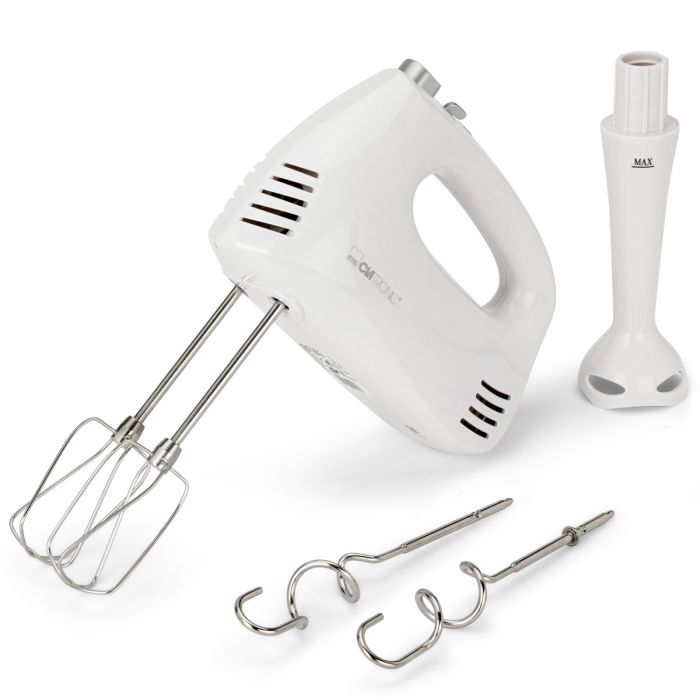
Single Beater vs. Double Beaters: A Head-to-Head Comparison
To truly appreciate the single beater, it helps to see how it stacks up against the standard double beaters. They aren’t rivals; they’re teammates, each with a specific role to play.
| Feature | Single Beater | Double Beaters |
|---|---|---|
| Best For | Small volumes, liquids, emulsifying | Large volumes, thick batters, creaming |
| Container Size | Ideal for measuring cups, mugs, small bowls | Requires a medium to large mixing bowl |
| Splash Control | Excellent; minimal splashing | Prone to splashing, especially at high speeds |
| Aeration | Moderate and controlled | High; designed to incorporate lots of air |
| Power Efficiency | Less strain on the motor | Requires more power for thick mixtures |
| Common Uses | Salad dressings, glazes, single eggs, sauces | Cake batter, cookie dough, whipped cream |
As professional pastry chef Isabella Rossi often says, “The single beater is your precision tool. It gives you the control you’d get from a hand whisk but with the power and speed of a motor. Think of it as a scalpel where double beaters are a chef’s knife—both are essential, but you wouldn’t use them for the same job.”
When Should You Reach for the Single Beater?
Now for the fun part. When exactly does this tool become a game-changer? You’ll find yourself reaching for the single beater more often than you think once you know its strengths.
Here are the perfect scenarios to let the single beater shine:
- Creating Emulsions: This is its star role. Making homemade mayonnaise, hollandaise sauce, or a classic vinaigrette requires slowly incorporating oil into a base. The single beater’s controlled action is perfect for creating a stable, creamy emulsion without it breaking.
- Mixing in Small Containers: Ever tried to mix a glaze in a small bowl with two beaters? It’s a recipe for disaster, with powdered sugar flying everywhere. The single beater fits perfectly into measuring cups and small bowls for mixing glazes, sauces, or marinades.
- Frothing Milk for Coffee: Want a café-style latte at home? A single beater can froth a small amount of warm milk in a mug in seconds. It’s faster than a separate frother and means one less gadget to store.
- Scrambling a Single Serving of Eggs: For perfectly fluffy eggs for one, the single beater is your best friend. It aerates the eggs beautifully without you having to dirty a large bowl and a whisk.
- Mixing Powdered Drinks: Whether it’s protein powder, hot cocoa mix, or a powdered gravy mix, the single beater dissolves lumps quickly and efficiently right in your glass or a small saucepan.
|
Our Picks for the Best Hand Mixer in 2025
As an Amazon Associate, we earn from qualifying purchases.
|
||
| Num | Product | Action |
|---|---|---|
| 1 | KitchenAid 9-Speed Digital Hand Mixer with Turbo Beater II Accessories and Pro Whisk - Contour Silver |

|
| 2 | Proctor Silex Easy Mix 5-Speed Electric Hand Mixer with Bowl Rest, Compact and Lightweight, 215 Watts of Peak Power, Storage Case, Black (62512) |
|
| 3 | Hand Mixer Electric, 450W Kitchen Mixers with Scale Cup Storage Case, Turbo Boost/Self-Control Speed + 5 Speed + Eject Button + 5 Stainless Steel Accessories, For Easy Whipping Dough,Cream,Cake |
|
| 4 | Hand Mixer Electric Mixing Bowls Set, 5 Speeds Handheld Mixer with 4 Nesting Stainless Steel Mixing Bowl, Measuring Cups Spoons 200W Kitchen Blender Whisk Beater Baking Supplies For Beginner |
|
| 5 | bella 3.5 Qt Hand & Stand Mixer, 2 in 1 Electric Mixer with Bowl, Dough Hook, Whisk & Egg Beater, Multifunctional Handheld Blender & Mixer for Baking, 200 Watt, Surf |
|
| 6 | Ninja Hand Mixer, Immersion Blender, Foodi Power Mixer System, 750-Peak-Watt Handheld Emulsion Blender & Electric Hand Mixer Combo With Whisk, Beaters & 3-Cup Blending Vessel,120 volts, Black CI101 |
|
| 7 | Hand Mixer Attachments Beater 6Pcs, Whisk, Blending Rod and Dough Hooks, Stainless Steel Hand Mixer Accessories for Kitchenaid Hand Mixers KHM3 KHM5 KHM7 KHM9, Dishwasher Safe |
|
| 8 | KitchenAid 5 Ultra Power Speed Hand Mixer - KHM512, Matte Black |
|
| 9 | Cuisinart HM-90BCS Power Advantage Plus 9-Speed Handheld Mixer with Storage Case, Brushed Chrome |
|
| 10 | Hand Mixer Electric, 400W Food Mixer 5 Speeds Handheld Blender, 5 Stainless Steel Accessories, Storage Box, Kitchen Blender with Cord for Cream, Cookies, Dishwasher Safe, White |
|
Pro Tips from the Hand Mixer Expert
Having logged hundreds of hours with these devices, I’ve picked up a few tricks to help you get the most out of your single beater attachment.
- Start Slow, Always: This is true for any mixing, but especially with liquids. Begin on the lowest speed to combine the ingredients before ramping up. This will prevent any initial splashes, even with the single beater’s superior control.
- Use the Right Container: While it fits in small containers, choose one that is at least twice as tall as the depth of your ingredients. A 2-cup glass measuring cup is my personal favorite for making dressings and sauces.
- Angle for Success: Don’t just stick the beater straight down. Angle it slightly and move it around the container to ensure everything is evenly mixed. For frothing, keep the beater just below the surface of the milk to introduce air.
- Know Its Limits: Remember, this is a tool for light-duty tasks. Never try to use a single beater for thick cookie dough or bread dough. It will put immense strain on your hand mixer’s motor and won’t mix the ingredients properly.
Beyond the Beater: Understanding Your Hand Mixer’s Arsenal
The single beater is just one piece of the puzzle. A great hand mixer often comes with a variety of attachments, each designed for a specific purpose. Understanding the whole kit will elevate your kitchen game.
- Double Beaters (Traditional): The classic duo. These are for general-purpose mixing, from cake batters to creaming butter and sugar. Their design is meant to aerate and combine ingredients thoroughly and quickly.
- Whisk Attachment: This balloon-shaped tool is a specialist for aeration. It’s the best choice for whipping egg whites into stiff peaks for meringues or beating cream into fluffy clouds. It’s even more efficient at incorporating air than double beaters.
- Dough Hooks: Shaped like corkscrews, these are for kneading light bread doughs or thick cookie batters. They work the gluten in the flour without overworking your wrists.
By understanding what each attachment does, you can choose the right tool for the job every time, ensuring better results and a longer life for your hand mixer.
How to Clean and Care for Your Attachments
Proper care is key to longevity. Luckily, most modern hand mixer attachments, including the single beater, are incredibly easy to clean.
- Eject Safely: Always unplug your hand mixer from the wall before attempting to eject the beaters.
- Rinse Immediately: If you can, rinse the beater under hot water right after use. This prevents food from drying and hardening on it.
- Check for Dishwasher Safety: The vast majority of stainless steel beaters are dishwasher-safe. Just pop them in the utensil basket on the top rack. Always check your user manual to be sure.
- Hand Wash If Needed: For stubborn bits, a little dish soap and a sponge or bottle brush will do the trick. Pay attention to the area where the beater inserts into the mixer, as batter can sometimes get trapped there.
- Dry Thoroughly: Whether you hand wash or use a dishwasher, make sure the beaters are completely dry before storing them to prevent any risk of rust.
Frequently Asked Questions (FAQ)
Can I use a single beater for cake batter?
It’s not recommended. Cake batter requires significant aeration and thorough mixing, which is what double beaters are designed for. Using a single beater would result in an unevenly mixed, dense cake and would take much longer.
What if my hand mixer only came with one beater?
This is highly unusual for a standard hand mixer. Most models are sold with a pair. If yours only has one, it might be an immersion blender with a single beater attachment, which is a different type of appliance designed for blending in pots and containers.
Is a single beater the same as a whisk attachment?
No, they are different. A single beater typically has the same design as one of the standard beaters. A whisk attachment is balloon-shaped with many fine wires and is specifically designed for whipping large volumes of air into liquids like cream or egg whites.
Why does my hand mixer have two different looking beaters?
Some models have one beater with a small plastic “collar” or flange on the bottom. This beater is designed to go into a specific slot on the mixer to prevent the beaters from clashing and scraping against each other while they rotate. Your mixer body or manual will indicate which beater goes in which hole.
Can a single beater replace an immersion blender?
Not entirely. While a single beater can mix liquids in a cup, it cannot puree or blend solids like an immersion blender can. An immersion blender has blades for chopping and pureeing soups, smoothies, and sauces, whereas a beater is strictly for mixing and aerating.
Your Kitchen’s Secret Weapon
So, the next time you see that lone attachment in your hand mixer box, you’ll know exactly what is a single beater for. It’s not a spare part or a mistake; it’s a specialized tool for precision, control, and small-batch perfection. From emulsifying a tangy vinaigrette to frothing the perfect latte, this humble beater unlocks a new level of convenience in your kitchen. Embrace its unique purpose, and you’ll wonder how you ever managed without it.