So, you’re dreaming of a kitchen where you can whip up meringue peaks without playing tug-of-war with a tangled cord. The freedom! The flexibility! But then, a nagging little voice whispers, “Are Cordless Hand Mixers Powerful Enough for real baking?” It’s the million-dollar question, and you’ve come to the right place for a no-fluff answer. As someone who has tested more hand mixers than I can count, I’m here to pull back the curtain on the world of battery-powered baking and help you decide if cutting the cord is the right move for you.
Let’s dive in and separate the marketing hype from the kitchen reality.
The Journey from Crank to Cordless
Before we tackle today’s tech, it’s fun to look back. Believe it or not, the first hand mixers were manual, hand-cranked gadgets invented in the mid-1800s. They were a revolution, but a tiring one! Then came the electric age, and for decades, the corded hand mixer was the undisputed champion of the home baker’s toolkit. It was reliable, powerful, and always ready to go.
The recent rise of powerful lithium-ion batteries—the same tech that powers your smartphone and laptop—has completely changed the game. It allowed brands to finally snip the cord, offering unparalleled convenience. But with this new freedom comes that all-important question of performance.
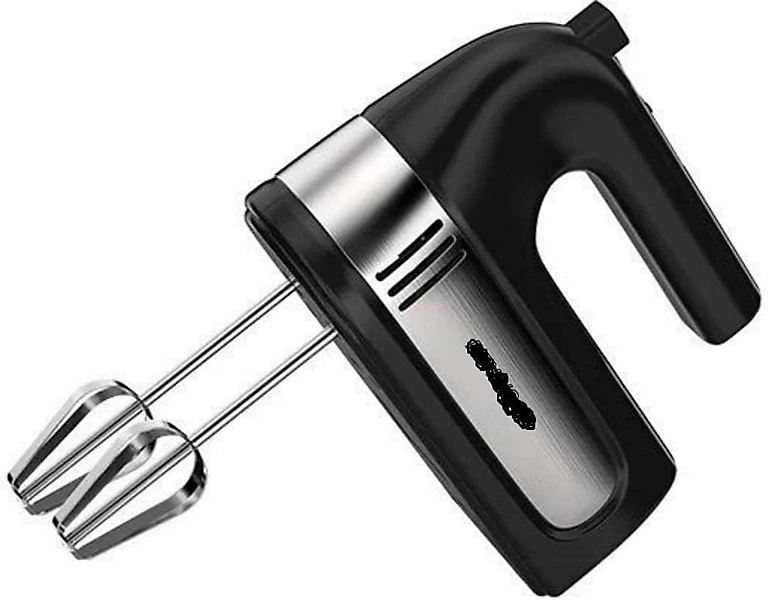
What Does “Powerful Enough” Actually Mean for a Hand Mixer?
When we ask are cordless hand mixers powerful enough, we’re not just talking about the wattage number printed on the box. Power in a mixer is a combination of a few key things, and frankly, wattage can be misleading.
- Torque: This is the real muscle. It’s the rotational force that keeps the beaters turning when they hit resistance, like a thick cookie dough or cold butter. A mixer with high torque won’t bog down or stall.
- Speed (RPM): This is how fast the beaters spin. High speeds are great for whipping air into egg whites or cream, while lower speeds are essential for gently combining dry ingredients without a flour explosion.
- Motor Efficiency: Modern brushless DC motors, often found in higher-end cordless models, are more efficient. They can deliver better torque and speed control while using less battery power than older motor designs.
Cordless models from reputable brands like KitchenAid and Cuisinart are engineered to provide excellent torque, even if their wattage numbers seem lower than their corded cousins. They are designed for efficiency, delivering power where it counts.
|
Our Picks for the Best Hand Mixer in 2025
As an Amazon Associate, we earn from qualifying purchases.
|
||
| Num | Product | Action |
|---|---|---|
| 1 | KitchenAid 5 Ultra Power Speed Hand Mixer - KHM512, Matte Black |

|
| 2 | Hand Mixer Attachments Beater 6Pcs, Whisk, Blending Rod and Dough Hooks, Stainless Steel Hand Mixer Accessories for Kitchenaid Hand Mixers KHM3 KHM5 KHM7 KHM9, Dishwasher Safe |
|
| 3 | Hand Mixer Electric Mixing Bowls Set, 5 Speeds Handheld Mixer with 4 Nesting Stainless Steel Mixing Bowl, Measuring Cups Spoons 200W Kitchen Blender Whisk Beater Baking Supplies For Beginner |
|
| 4 | Cuisinart HM-90BCS Power Advantage Plus 9-Speed Handheld Mixer with Storage Case, Brushed Chrome |
|
| 5 | bella 3.5 Qt Hand & Stand Mixer, 2 in 1 Electric Mixer with Bowl, Dough Hook, Whisk & Egg Beater, Multifunctional Handheld Blender & Mixer for Baking, 200 Watt, Surf |
|
| 6 | Hand Mixer Electric, 400W Food Mixer 5 Speeds Handheld Blender, 5 Stainless Steel Accessories, Storage Box, Kitchen Blender with Cord for Cream, Cookies, Dishwasher Safe, White |
|
| 7 | Ninja Hand Mixer, Immersion Blender, Foodi Power Mixer System, 750-Peak-Watt Handheld Emulsion Blender & Electric Hand Mixer Combo With Whisk, Beaters & 3-Cup Blending Vessel,120 volts, Black CI101 |
|
| 8 | Proctor Silex Easy Mix 5-Speed Electric Hand Mixer with Bowl Rest, Compact and Lightweight, 215 Watts of Peak Power, Storage Case, Black (62512) |
|
| 9 | KitchenAid 9-Speed Digital Hand Mixer with Turbo Beater II Accessories and Pro Whisk - Contour Silver |
|
| 10 | Hand Mixer Electric, 450W Kitchen Mixers with Scale Cup Storage Case, Turbo Boost/Self-Control Speed + 5 Speed + Eject Button + 5 Stainless Steel Accessories, For Easy Whipping Dough,Cream,Cake |
|
Are Cordless Hand Mixers Powerful Enough for Your Kitchen?
Let’s get straight to it. For the vast majority of home baking tasks, the answer is a resounding yes. A good quality cordless hand mixer can handle:
- Whipping cream and egg whites to stiff peaks
- Mixing cake batters and brownie mixes
- Creaming butter and sugar for cookies
- Making frostings and glazes
- Mashing potatoes
Where you might see a difference is with extremely heavy, dense doughs.
“For the everyday baker, a modern cordless hand mixer is a game-changer. The convenience is liberating. But if you’re frequently making dense, heavy bread doughs, you’ll still want to reach for a powerful stand mixer or a high-torque corded model.” – Sarah Jenkins, Professional Pastry Chef
The Great Showdown: Cordless vs. Corded
To really understand the trade-offs, let’s put them head-to-head.
| Feature | Cordless Hand Mixer | Corded Hand Mixer |
|---|---|---|
| Power | Ample for most tasks, but can struggle with very dense dough. | Consistent, high power. The best choice for heavy-duty jobs. |
| Convenience | Unbeatable. Mix anywhere, no outlet needed. | Tethered to an outlet. The cord can get in the way. |
| Runtime | Limited by battery life (e.g., mix up to 200 cookies). | Unlimited. Runs as long as it’s plugged in. |
| Weight | Can be slightly heavier due to the battery pack. | Generally lighter and more nimble. |
| Cost | Typically more expensive than comparable corded models. | More budget-friendly options are available. |
Who Should Buy a Cordless Hand Mixer?
A cordless mixer isn’t for everyone, but for some, it’s the perfect tool. Does one of these sound like you?
- The Tidy Baker: You despise cord clutter and love a minimalist, clean countertop. The ability to grab, use, and store your mixer without wrestling a cord is a dream come true.
- The Small-Kitchen Dweller: Outlets are a precious commodity in your kitchen. A cordless model lets you mix on the island, the dining table, or wherever you have space, without being chained to the wall.
- The Quick-Task Master: You primarily use your mixer for quick jobs like whipping cream for dessert, scrambling eggs, or making a quick batch of pancake batter. The grab-and-go nature is perfect for you.
- The Tech Enthusiast: You love the latest gadgets and the freedom that comes with cutting the cord.
If, however, you’re an avid bread baker or you frequently make double batches of very stiff cookie dough, a heavy-duty corded hand mixer or a stand mixer might still be your most reliable companion.
Getting the Most Out of Your Cordless Hand Mixer
If you decide to take the plunge, here’s how to make sure your cordless mixer performs at its peak.
- Keep It Charged: This sounds obvious, but a partially charged battery won’t deliver full power. Get in the habit of charging it after a big baking session so it’s always ready for your next spontaneous creation.
- Start Slow: Always use the “soft start” feature if your mixer has one. Starting on a low speed prevents ingredients from flying everywhere and puts less initial strain on the motor.
- Use the Right Tool for the Job: While some cordless mixers come with dough hooks, they are best for very light, soft doughs. For serious kneading, a stand mixer is your best friend. Use the standard beaters for batters and the whisk attachment for liquids.
- Don’t Overload It: Don’t try to mix a triple batch of fruitcake batter. Work in smaller, more manageable batches to keep the motor happy and ensure an even mix.
Frequently Asked Questions (FAQ)
Here are some of the most common questions I get about the power of cordless mixers.
Can a cordless hand mixer knead dough?
For very light, soft doughs like a simple brioche or some dinner rolls, yes. However, for dense, heavy bread doughs like sourdough or whole wheat, a cordless hand mixer is not powerful enough and could strain the motor. It’s best to use a stand mixer or knead by hand for these tasks.
How long does the battery last on a cordless hand mixer?
This varies by brand and model, but a good quality cordless mixer on a full charge can typically handle enough batter for several dozen cookies or multiple cakes. For example, KitchenAid’s cordless model boasts it can make up to 200 cookies on a single charge.
Are cordless hand mixers heavier than corded ones?
Yes, they tend to be slightly heavier due to the weight of the lithium-ion battery pack. However, most are designed with excellent ergonomics, so they still feel balanced and comfortable in the hand during use.
Do cordless models have the same attachments?
Yes, most reputable cordless hand mixers come with the standard set of attachments, including two beaters and often a whisk attachment. Some may even include dough hooks or blending rods, just like their corded counterparts.
Is a cordless hand mixer worth the extra money?
This depends entirely on your needs. If the convenience of a cord-free experience will genuinely make your time in the kitchen more enjoyable and you primarily do light-to-medium mixing tasks, then the extra investment is absolutely worth it.
The Final Verdict
So, are cordless hand mixers powerful enough? For the everyday tasks that make up 95% of home baking, modern cordless mixers are more than up to the challenge. They have evolved from a niche gadget into a truly viable and incredibly convenient primary tool for most bakers.
The trade-off is a finite runtime and slightly less brute force for the absolute heaviest jobs. But in return, you get the freedom to mix wherever and whenever inspiration strikes, without being tethered to a wall. For many, that freedom is the secret ingredient they never knew they were missing.