Let’s be real for a moment. We’ve all been there. You’ve boiled your potatoes to perfection, dreaming of that creamy, fluffy, cloud-like texture. You grab your trusty masher and go to town, only to end up with a lumpy, inconsistent bowl of sadness. It’s a culinary tragedy. But what if I told you the secret to consistently perfect mashed potatoes isn’t some ancient family recipe, but the right tool? Finding the Best Hand Mixer For Mashed Potatoes can completely transform your side dish game, turning a chore into a joy.
I’ve spent years in my kitchen testing, tinkering, and, yes, sometimes making a mess, all in the name of kitchen appliance science. A hand mixer isn’t just for cake batter; it’s a powerhouse for savory dishes, too. And when it comes to potatoes, it strikes the perfect balance—powerful enough to break down the spuds, but gentle enough to avoid turning them into a gummy, over-processed paste. So, grab a cup of coffee, and let’s dive into everything you need to know to choose your perfect potato-whipping partner.
Why Even Use a Hand Mixer for Mashed Potatoes?
You might be wondering, “Isn’t a regular potato masher good enough?” It can be, but a hand mixer offers a level of consistency and creaminess that’s hard to achieve by hand. The rapid, even motion of the beaters incorporates butter, milk, and air far more efficiently. This process breaks down the starch granules gently, resulting in a smoother, fluffier final product. Unlike a food processor or blender, which can obliterate the potato’s cell walls and release too much starch (hello, potato glue!), a hand mixer is far more forgiving. It’s the sweet spot between manual labor and over-the-top processing.
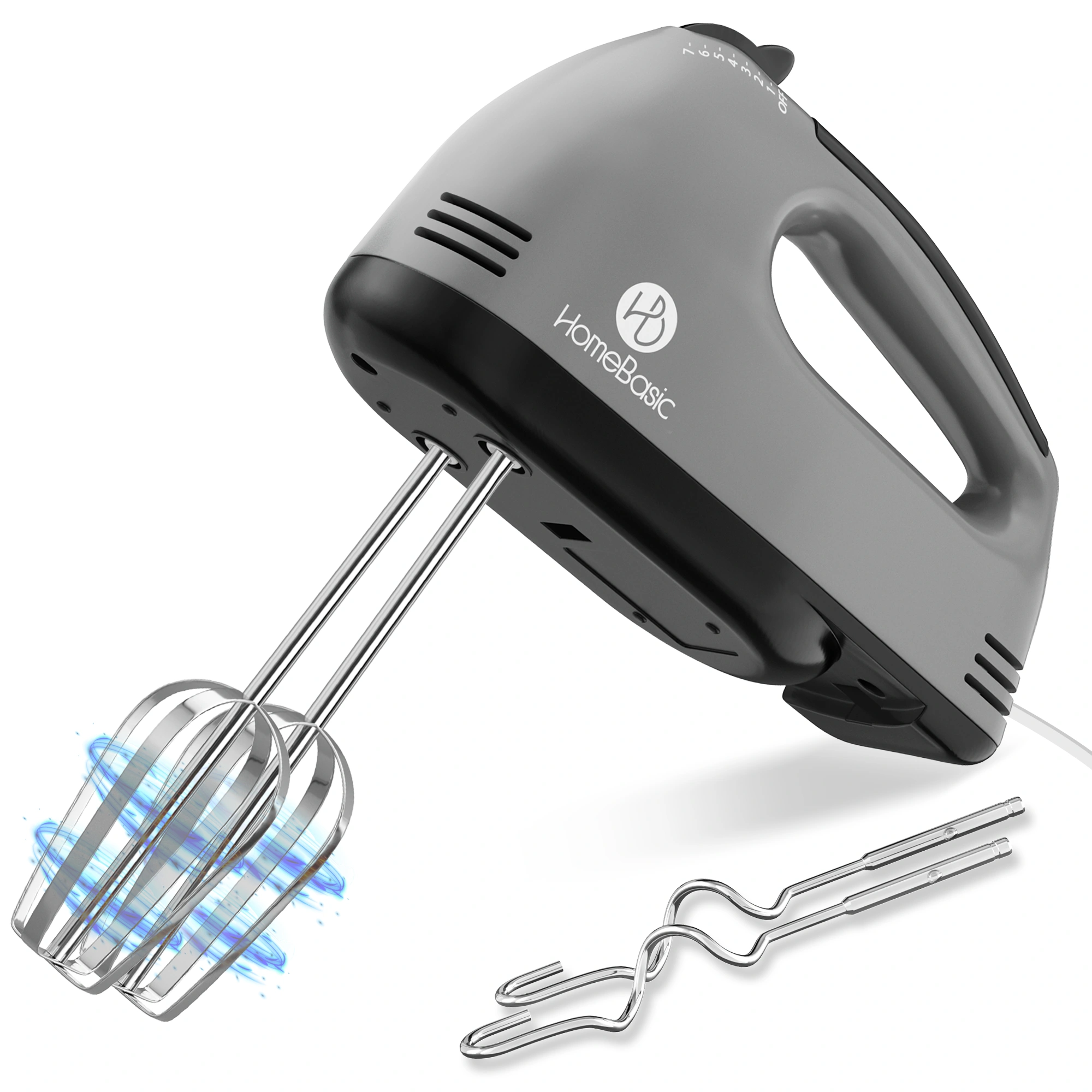
Key Features for the Best Hand Mixer for Mashed Potatoes
Not all hand mixers are created equal, especially when you’re tackling something as dense as boiled potatoes. Forget the flimsy, underpowered models that struggle with cookie dough—you need a reliable workhorse. Here’s what to look for.
Power Is Paramount: Let’s Talk Wattage
When you’re pushing beaters through a pot of starchy potatoes, you need some muscle. A motor with low wattage will strain, overheat, and might just give up on you mid-mash.
- Look for at least 200-250 watts. This is the minimum I’d recommend for handling dense mixtures without struggling.
- DC vs. AC Motors: Many modern, high-quality mixers use DC (Direct Current) motors. They’re generally quieter, more energy-efficient, and provide more consistent torque at lower speeds—which is exactly what you need to start mashing potatoes without flinging them across your kitchen.
Speed Settings and the Magic of a “Slow Start”
More speeds aren’t always better, but having the right speeds is crucial. You don’t want to go from zero to a potato volcano in one second.
- Variable Speeds: Look for a model with at least 5 speed settings. This gives you the control to start slow and gradually increase the speed as the potatoes break down and become smoother.
- Slow-Start Feature: This is a game-changer. A mixer with a slow-start function begins at a much lower speed, regardless of the setting you’ve chosen, before ramping up. This prevents that initial splash of hot milk and potato that seems to decorate every surface of the kitchen.
As professional baker and kitchen gadget enthusiast, Isabella Rossi, often says, “For new home cooks, a slow-start feature on a hand mixer is a lifesaver. It gives you confidence and control, preventing the flour cloud or potato splash that discourages so many people from the get-go.”
The Right Tools for the Job: Beaters and Attachments
The standard twin beaters that come with most hand mixers are actually perfect for mashed potatoes. Their design is ideal for breaking up and aerating the potatoes simultaneously.
- Sturdy Metal Beaters: Avoid mixers with flimsy, thin beaters. Look for ones made from high-quality stainless steel. They’ll last longer and won’t bend under the pressure of a thick potato mixture.
- What to Avoid: While whisk attachments are great for whipping cream and egg whites, they are not the right tool for potatoes. They’ll get clogged and won’t effectively break down the spuds. The same goes for dough hooks—save those for your bread-making adventures.
Corded vs. Cordless: The Great Debate
The choice between a corded and cordless model often comes down to personal preference, but there are practical differences to consider for this specific task.
- Corded Mixers: Generally offer more consistent power and you never have to worry about the battery dying mid-mash. They are often lighter since they don’t have a heavy battery pack. The downside is being tethered to an outlet.
- Cordless Mixers: Offer incredible freedom and convenience. You can mash your potatoes right on the stove without a cord getting in the way. However, you need to ensure it’s fully charged and that it has enough power for a dense task like this. The top-tier cordless models today are impressively powerful.
|
Our Picks for the Best Hand Mixer in 2025
As an Amazon Associate, we earn from qualifying purchases.
|
||
| Num | Product | Action |
|---|---|---|
| 1 | Proctor Silex Easy Mix 5-Speed Electric Hand Mixer with Bowl Rest, Compact and Lightweight, 215 Watts of Peak Power, Storage Case, Black (62512) |

|
| 2 | KitchenAid 9-Speed Digital Hand Mixer with Turbo Beater II Accessories and Pro Whisk - Contour Silver |
|
| 3 | Hand Mixer Attachments Beater 6Pcs, Whisk, Blending Rod and Dough Hooks, Stainless Steel Hand Mixer Accessories for Kitchenaid Hand Mixers KHM3 KHM5 KHM7 KHM9, Dishwasher Safe |
|
| 4 | Cuisinart HM-90BCS Power Advantage Plus 9-Speed Handheld Mixer with Storage Case, Brushed Chrome |
|
| 5 | KitchenAid 5 Ultra Power Speed Hand Mixer - KHM512, Matte Black |
|
| 6 | bella 3.5 Qt Hand & Stand Mixer, 2 in 1 Electric Mixer with Bowl, Dough Hook, Whisk & Egg Beater, Multifunctional Handheld Blender & Mixer for Baking, 200 Watt, Surf |
|
| 7 | Hand Mixer Electric Mixing Bowls Set, 5 Speeds Handheld Mixer with 4 Nesting Stainless Steel Mixing Bowl, Measuring Cups Spoons 200W Kitchen Blender Whisk Beater Baking Supplies For Beginner |
|
| 8 | Hand Mixer Electric, 450W Kitchen Mixers with Scale Cup Storage Case, Turbo Boost/Self-Control Speed + 5 Speed + Eject Button + 5 Stainless Steel Accessories, For Easy Whipping Dough,Cream,Cake |
|
| 9 | Ninja Hand Mixer, Immersion Blender, Foodi Power Mixer System, 750-Peak-Watt Handheld Emulsion Blender & Electric Hand Mixer Combo With Whisk, Beaters & 3-Cup Blending Vessel,120 volts, Black CI101 |
|
| 10 | Hand Mixer Electric, 400W Food Mixer 5 Speeds Handheld Blender, 5 Stainless Steel Accessories, Storage Box, Kitchen Blender with Cord for Cream, Cookies, Dishwasher Safe, White |
|
How to Make Flawless Mashed Potatoes with Your Hand Mixer
Owning the best hand mixer for mashed potatoes is only half the battle; using it correctly is what brings home the culinary trophy. Here is a simple, foolproof guide.
- Cook and Drain Properly: Boil your potatoes until they are very tender—a fork should slide in with zero resistance. Drain them thoroughly. Water is the enemy of fluffy potatoes. Let them sit in the hot pot for a minute to steam dry.
- Warm Your Liquids: Gently warm your milk or cream and melt your butter before adding them to the pot. Cold liquids will cool down the potatoes and prevent them from absorbing the fat and dairy as well.
- Add the Good Stuff First: Add your melted butter, warm milk/cream, salt, and any other flavorings (garlic, chives, cheese) to the potatoes before you start mixing.
- Start Low and Slow: Place your beaters into the potatoes and start your mixer on the lowest possible speed. This will gently begin to break up the potatoes without splashing.
- Gradually Increase Speed: As the potatoes start to break down and absorb the liquids, you can slowly increase the mixer’s speed. Move the mixer around the pot to ensure you get every last lump.
- Do Not Overmix! This is the most important rule. The goal is to mix just until the potatoes are smooth and creamy. Overmixing will develop the starches and turn your beautiful, fluffy potatoes into a sticky, gummy mess. It should only take a minute or two.
Hand Mixer vs. The Competition: A Quick Showdown
How does a hand mixer stack up against other common mashing methods?
Hand Mixer vs. Stand Mixer
A stand mixer can certainly make mashed potatoes, but it’s often overkill unless you’re feeding a massive crowd. A hand mixer gives you more control, allows you to mix directly in the cooking pot (fewer dishes!), and is much easier to store and clean.
Hand Mixer vs. Potato Ricer or Masher
A potato ricer creates the absolute fluffiest texture by forcing the potato through small holes. However, it’s a single-task tool and requires more manual effort. A classic hand masher is simple, but it’s very difficult to get a truly smooth, lump-free result. The hand mixer offers the best of both worlds: superior creaminess with minimal effort and maximum versatility.
Keeping Your Mixer in Tip-Top Shape
Proper care will ensure your hand mixer lasts for years of delicious meals.
- Always unplug before cleaning. Safety first!
- Eject and wash beaters immediately. Don’t let potato residue dry on them. Most stainless steel beaters are dishwasher-safe (check your manual!), but they’re also incredibly easy to wash by hand.
- Wipe down the body. Use a damp cloth to wipe the main body of the mixer. Never submerge the motor housing in water.
- Store attachments properly. Many mixers come with a storage case or a clip to keep the attachments and cord tidy.
Frequently Asked Questions
What is the best wattage for a hand mixer for mashed potatoes?
For a task as dense as mashed potatoes, aim for a hand mixer with at least 200-250 watts. A model with a DC motor is even better, as it provides excellent torque and control at low speeds, which is ideal for this specific job.
Why did my mashed potatoes turn gummy when I used a mixer?
This is almost always a result of overmixing. When you work potatoes too much, the starch cells rupture and release excess starch, creating a glue-like consistency. Mix only until the ingredients are combined and the potatoes are smooth, which usually takes just one to two minutes.
Can I use a whisk attachment for mashed potatoes?
It’s not recommended. A whisk attachment is designed to incorporate a lot of air into light liquids like cream or egg whites. It will get clogged with dense potatoes and won’t be effective at breaking them down, leading to a lumpy and uneven texture. Stick to the standard beaters.
Is a cordless hand mixer powerful enough for mashed potatoes?
Yes, many modern high-quality cordless hand mixers are more than powerful enough. Look for reputable brands and check reviews that specifically mention their performance with thicker batters and doughs. While they may not have the sustained power of a top-tier corded model, their convenience is a major plus for many home cooks.
Can I use a hand mixer for sweet potatoes?
Absolutely! A hand mixer works wonderfully for mashed sweet potatoes, which are often softer and less starchy than russet potatoes. The same principles apply: don’t overmix, and be sure to add your butter and liquids to achieve a creamy, smooth consistency.
Your Perfect Side Dish Awaits
Choosing the best hand mixer for mashed potatoes is about investing in consistency, convenience, and a better final dish. By focusing on power, controllable speeds, and sturdy beaters, you can find a kitchen companion that will serve you well for years to come. No more lumpy, disappointing potatoes—only creamy, dreamy, and delicious results every single time. Now, go forth and mash with confidence! We’d love to hear about your favorite mashed potato recipes in the comments below.