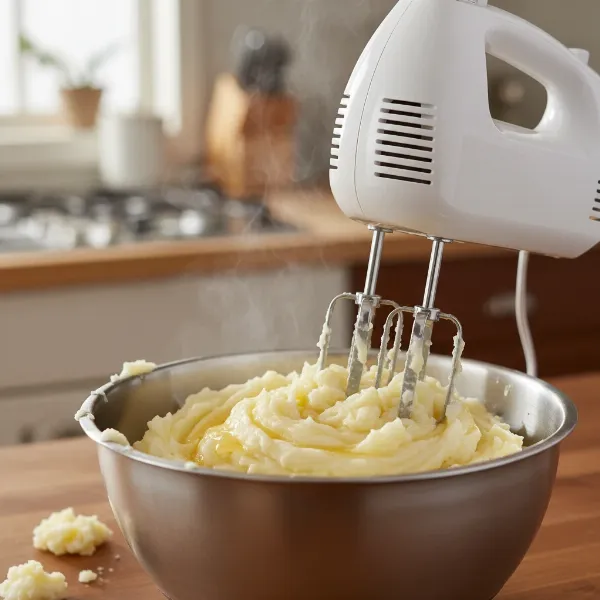
The kitchen often presents bakers with a classic dilemma: the whirring convenience of a hand mixer versus the robust, hands-free power of a stand mixer. For many home cooks, choosing the right appliance, or deciding if both are necessary, can be a tough decision that impacts both their culinary ambitions and kitchen counter space. As a seasoned technician with over a decade of experience with various hand mixers, I understand the nuances of these machines. This guide will help you navigate their strengths, weaknesses, and ideal applications, empowering you to make the best choice for your baking journey and budget.
Understanding Hand Mixers: Power, Portability, and Practicality
A hand mixer is a compact, handheld electric appliance designed to simplify common mixing tasks. It typically consists of a motor housing, a handle for gripping, and two detachable beaters that rotate in opposite directions to mix and aerate ingredients. Its design prioritizes maneuverability, allowing you to move the beaters around any mixing bowl you have on hand.
Hand mixers shine for their affordability, making them an accessible entry point for any budding baker. Their compact size and lightweight design mean they are easy to store in a drawer or cabinet, freeing up valuable counter space. They are also incredibly portable, allowing you to mix ingredients anywhere there’s an outlet. Cleaning is often straightforward, with most attachments being dishwasher-safe. Hand mixers excel at small batches of batter or dough and are ideal for quick tasks like whipping a single egg white or a small amount of cream. They can also be used over a double boiler, a technique common in certain recipes.
However, hand mixers have limitations. They are generally less powerful than stand mixers, meaning they can struggle with thicker, heavier doughs like bread. Mixing for long durations can be tiring, as you have to hold the mixer yourself, and prolonged use might risk overheating the motor. Their versatility in terms of attachments is also more limited compared to stand mixers.
For instance, a hand mixer is perfect for quickly whipping up a batch of pancake batter, preparing frosting for a small cake, or mashing potatoes to a smooth consistency. They are also excellent for incorporating air into ingredients, such as whipping small quantities of cream or egg whites to soft peaks.
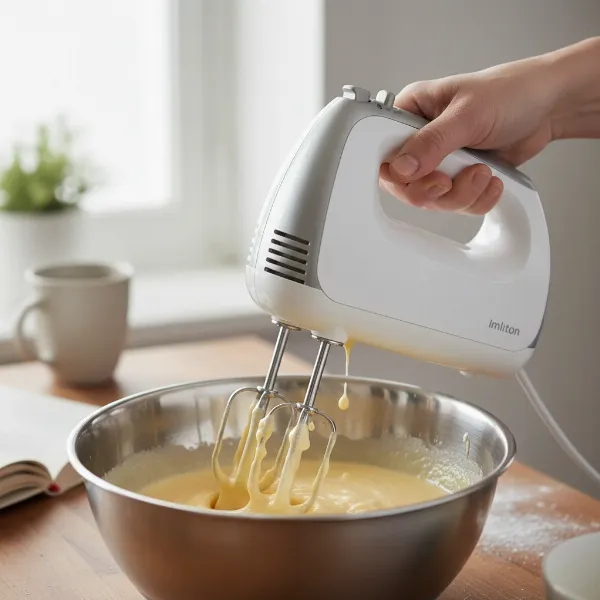 a hand mixer whipping pancake batter in a stainless steel bowl with a chef's hand
Exploring Stand Mixers: Strength, Versatility, and Hands-Free Convenience
In contrast, a stand mixer is a more robust kitchen appliance featuring a powerful motor, a heavy base, and a specialized bowl that locks into place. It typically comes with a paddle/beater, whisk, and dough hook attachment, which connect to a single rotating head that moves around the stationary bowl. This design allows for hands-free operation, making it a true workhorse for serious bakers.
The primary advantages of a stand mixer are its powerful motor and hands-free operation. Its superior power allows it to handle large quantities and heavy, stiff doughs like bread or thick cookie batter with ease. The consistent mixing action ensures thorough incorporation of ingredients, which is crucial for recipes requiring extensive beating, such as Italian buttercream or marshmallows. The ability to walk away while the mixer works means you can multitask in the kitchen, a significant benefit when preparing complex recipes that require adding ingredients gradually, like pouring hot sugar syrup into whipping egg whites. Furthermore, stand mixers boast incredible versatility with a wide array of aftermarket attachments, transforming them into everything from pasta makers to meat grinders, truly making them an all-around kitchen workhorse.
On the downside, stand mixers are generally more expensive, representing a significant investment. Their bulky size and heavy weight mean they require dedicated counter space, which can be an issue in smaller kitchens. While powerful, they can sometimes struggle with very small quantities, as the attachments may not make sufficient contact with a tiny amount of ingredients in a large bowl. Cleaning can also be more involved due to the larger bowl and attachments.
Stand mixers are indispensable for kneading dense bread doughs, creating large batches of cookie or cake batter, and achieving perfectly stable meringues or silky smooth buttercreams that require long mixing times.
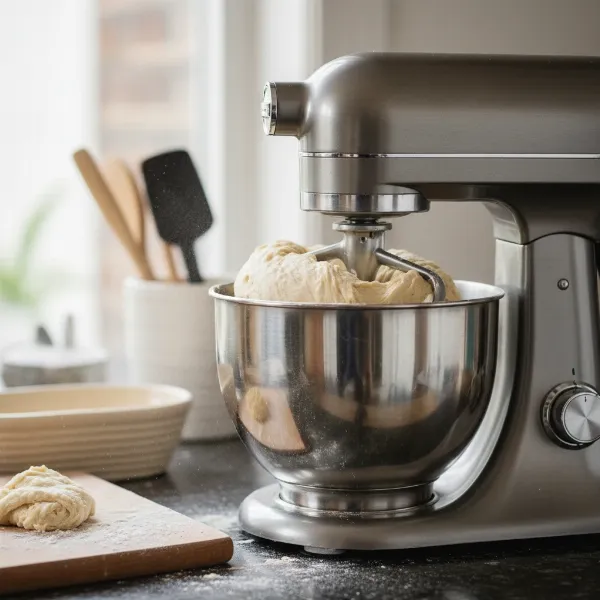 a stand mixer with a dough hook kneading thick bread dough in a large bowl
Hand Mixer vs. Stand Mixer: A Direct Comparison
To help clarify the choice, here’s a direct comparison of key features:
| Feature | Hand Mixer | Stand Mixer |
|---|---|---|
| Cost | Affordable ($20-$100) | Significant Investment ($150-$500+) |
| Size/Storage | Compact, lightweight, easy to store | Bulky, heavy, requires dedicated counter space |
| Power | Moderate, suitable for light tasks | High, handles heavy doughs and large batches |
| Hands-Free? | No, requires holding | Yes, allows for multitasking |
| Best for Batches | Small quantities | Large quantities |
| Dough Handling | Light batters, struggles with heavy doughs | Excellent for heavy doughs (bread, cookies) |
| Attachments | Basic beaters, whisk, dough hooks | Extensive range (paddle, whisk, dough hook + many aftermarket options) |
| Cleaning | Easy, smaller parts | More involved, larger bowl and attachments |
The core differences boil down to power, size, cost, and hands-free operation. Hand mixers offer portability and affordability for lighter tasks, while stand mixers provide unparalleled power and convenience for demanding jobs and larger volumes.
Do You Really Need Both? Finding Your Perfect Mixer Setup
The question of whether you need both a hand mixer and a stand mixer ultimately depends on your individual baking habits, kitchen space, and budget.
Scenario 1: The Casual Baker or Budget-Conscious Cook
If you bake occasionally, primarily make simple cakes, cookies, and whip small amounts of cream or egg whites, a good quality hand mixer is likely all you need. It’s an excellent entry-level appliance that can handle most common kitchen tasks without a significant financial outlay or taking up much space. It’s perfect for those quick dessert cravings or when you need a little more power than a whisk can offer.
Scenario 2: The Avid Baker or Bread Maker
For those who frequently bake, delve into bread making, prepare large batches, or enjoy creating complex desserts like elaborate buttercreams and meringues, a stand mixer is a highly recommended investment. Its power and hands-free operation will save you considerable time and effort, ensuring consistent results for challenging recipes. If your baking often involves kneading dough for extended periods or whipping ingredients for 10-15 minutes, a stand mixer becomes almost essential.
Scenario 3: The Dedicated Home Chef (Owning Both)
Many experienced home bakers find immense value in owning both a hand mixer and a stand mixer. This “best of both worlds” approach allows you to tackle virtually any mixing task with optimal efficiency. You can reserve your powerful stand mixer for heavy-duty jobs like kneading dough or preparing a triple batch of cookie dough, while your nimble hand mixer is perfect for quick, small-scale tasks, or when your stand mixer is already in use. It also comes in handy for mixing in bowls that wouldn’t fit a stand mixer or for whipping ingredients directly in a saucepan over heat. This dual setup offers maximum flexibility and convenience, making baking a more enjoyable and less strenuous activity.
Factors to Consider When Buying a Mixer
When investing in a mixer, keep these key considerations in mind to ensure you choose the appliance that best fits your needs:
- Budget: Hand mixers are significantly cheaper, while stand mixers can be a substantial expense. Determine what you’re willing to spend.
- Kitchen Space: Assess your available counter and storage space. A hand mixer is a discreet addition, whereas a stand mixer demands a permanent spot or ample cabinet room.
- Baking Frequency & Type: How often do you bake, and what do you typically make? Light batters and occasional treats point to a hand mixer, while frequent, heavy-duty baking (especially bread) suggests a stand mixer.
- Power/Wattage: For stand mixers, higher wattage generally means more power to handle tougher doughs. For hand mixers, sufficient wattage prevents motor burnout during stiffer tasks.
- Speed Settings: More speed options offer greater control over mixing, crucial for delicate tasks like whipping egg whites and robust tasks like kneading. Look for a “turbo” boost feature on hand mixers.
- Attachments: Beyond standard beaters, consider what other attachments come with the mixer. Dough hooks and whisks are common. Stand mixers offer a much broader ecosystem of specialized attachments.
- Brand & Durability: Research reputable brands known for quality and reliability, like KitchenAid for stand mixers or Cuisinart for hand mixers. Check warranty information and read reviews on motor longevity.
- Weight & Ergonomics (for hand mixers): If opting for a hand mixer, consider its weight and the comfort of its grip, especially if you’ll be using it for longer periods.
Expert Tips for Getting the Most Out of Your Mixer
To ensure your mixer serves you well for years and delivers optimal results, follow these expert tips:
- Scrape the Bowl: Regardless of your mixer type, regularly scrape down the sides and bottom of the bowl with a spatula to ensure all ingredients are thoroughly incorporated. This prevents pockets of unmixed flour or sugar.
- Avoid Overmixing: While mixers are powerful, overmixing can lead to tough cakes or rubbery cookies. Understand when to stop mixing, often just when ingredients are combined.
- Proper Attachment Use: Always use the correct attachment for the task (e.g., paddle for creaming, whisk for aeration, dough hook for kneading).
- Maintenance and Cleaning: Always unplug your mixer before attaching or removing beaters, or before cleaning. Clean attachments promptly after use to prevent dried-on batter. Wipe down the mixer’s body with a damp cloth.
- Don’t Force It: If your hand mixer is struggling with a thick dough, don’t push it. Switch to hand mixing or consider if a stand mixer is needed for such tasks to avoid burning out the motor.
“A mixer, whether hand or stand, is an extension of the baker’s hand. Understanding its capabilities and limitations is key to unlocking its full potential and achieving baking success.” – Admin, handmixerguide.com
Conclusion
Ultimately, there’s no universal “best” mixer; it all comes down to your individual culinary journey. A hand mixer offers an affordable, portable solution for everyday baking and smaller tasks, while a stand mixer provides unmatched power and hands-free convenience for more ambitious projects and larger quantities. For the dedicated home baker, owning both can create a versatile duo, ready for any recipe challenge. Consider your baking frequency, the types of dishes you prepare, your kitchen space, and your budget to make the decision that’s right for you. Choose wisely, and happy baking!
What kind of delicious creations will you whip up next?
Frequently Asked Questions
Can a hand mixer knead bread dough effectively?
|
Our Picks for the Best Hand mixer in 2026
As an Amazon Associate I earn from qualifying purchases.
|
||
| Num | Product | Action |
|---|---|---|
| 1 | 600W Electric Hand Mixer Kitchen Handheld Mixer 10 Speed Powerful with Turbo for Baking Cake Lightweight & Personal Electric Mixer with Egg Baking Beaters Dough Hooks, Whipping Mixing Cookies |

|
| 2 | OVENTE 5-Speed Corded Electric Hand Mixer with Stainless Steel Whisks, Compact Portable Design with Snap-On Storage Case,150W Lightweight Handheld Mixer for Baking & Cooking, White HM151W |
|
| 3 | KitchenAid 5 Ultra Power Speed Hand Mixer - KHM512, Aqua Sky |
|
| 4 | Maestri House Rechargeable Milk Frother with Stand, LunaFro Handheld Electric Foam Maker Waterproof Detachable Stainless Steel Whisk Drink Mixer Foamer for Lattes, Cappuccino |
|
| 5 | Hamilton Beach 6-Speed Electric Hand Mixer with Whisk, Traditional Beaters, Snap-On Storage Case, 250 Watts, White |
|
| 6 | KitchenAid 5-Speed Ultra Power Hand Mixer - KHM512, Contour Silver |
|
| 7 | OVENTE 5-Speed Corded Electric Hand Mixer with Stainless Steel Whisks, Compact Portable Design with Snap-On Storage Case,150W Lightweight Handheld Mixer for Baking & Cooking, Black HM151B |
|
| 8 | OVENTE 5-Speed Electric Hand Mixer with Stainless Steel Mixing Whisk, Snap-On Storage Case, Portable & Lightweight 150W Motor, Compact Handheld Mixer for Baking, Blending or Cooking, Red HM151R |
|
| 9 | Wellness Extract Multi-Speed Rechargeable Electric Milk Frother, Li-ion Battery Powered – Certified Safe, Ideal for Coffee, Matcha, Protein & Colostrum |
|
| 10 | KitchenAid 5-Speed Ultra Power Hand Mixer |
|
While many hand mixers come with dough hooks, they are generally not powerful enough for effective kneading of dense bread doughs. They may struggle and risk motor burnout. For bread dough, a stand mixer with a dedicated dough hook is highly recommended for optimal results and to prevent strain on the appliance.
Are stand mixers good for small batches?
Stand mixers can sometimes struggle with very small quantities, as the attachments may not reach the bottom or sides of the bowl sufficiently to incorporate tiny amounts of ingredients like a single egg white or a tablespoon of butter. For such small tasks, a hand mixer or even a whisk is often more efficient.
What is the main advantage of a stand mixer?
The main advantage of a stand mixer is its powerful, hands-free operation. This allows you to mix ingredients for extended periods, handle heavy doughs, and multitask in the kitchen, significantly reducing effort and time for demanding recipes.
How long do mixers typically last?
The lifespan of a mixer varies greatly depending on the brand, build quality, and frequency of use. High-quality stand mixers, like KitchenAid, are known to last 10-20 years or even longer with proper care. Hand mixers typically have a shorter lifespan, often 3-7 years, but this can extend with less frequent use and good maintenance.
Can I use an immersion blender instead of a hand mixer?
An immersion blender with a whisk attachment can serve as a substitute for a hand mixer for very light tasks, such as whipping small amounts of cream or egg whites. However, it lacks the power and dedicated beaters of a Hand Mixer for thicker batters or more substantial mixing.