There’s a special kind of panic that sets in when you’re halfway through a recipe, cream cheese and sugar ready for their transformation, and you hear it: the dreaded clank, whirr, and then… nothing. You’ve got a broken beater on your hands. Before you think about tossing the whole batter (or the mixer!), take a deep breath. Learning How To Fix A Broken Beater is often simpler than you think, and I’m here to walk you through it. As the heart and soul behind “Chuyên Gia Máy Trộn Cầm Tay,” I’ve seen my fair share of bent, wobbly, and stubbornly stuck beaters, and I’ve learned that a little know-how can save you from a baking disaster and a trip to the store.
This guide will not only show you the practical steps for a quick fix but will also turn you into a true beater connoisseur. We’ll explore why they break, what to look for in a durable replacement, and how to ensure you and your trusty hand mixer have a long, happy, and productive relationship.
First Things First: Why Did My Hand Mixer Beater Break?
Understanding the root cause is the first step to a successful repair and preventing it from happening again. Most beater failures aren’t random; they’re the result of a few common culprits.
A broken beater usually happens for one of three reasons: metal fatigue from repeated stress, using the mixer on an ingredient that’s too tough for it, or accidental damage from a drop or improper storage. Think of it like a paperclip—bend it back and forth enough times, and it will eventually snap.
The Usual Suspects of Beater Breakage
- Overly Thick Batters: Your hand mixer is a workhorse, but it has its limits. Trying to power through a stiff, heavy dough like for artisan bread or dense gingerbread can put immense strain on the beaters and the motor. This is often the primary cause of bent or warped beaters.
- Accidental Drops: It happens to the best of us. A quick slip from the countertop can easily bend a beater tine or, worse, damage the collar where it clicks into the mixer.
- Improper Ejection or Insertion: Forcing a beater in or out of its slot can damage both the beater’s stem and the mixer’s internal gearing. Always use the eject button and ensure you hear that satisfying click when inserting them.
- Rust and Corrosion: If beaters aren’t dried properly after washing, they can develop rust, especially around the welds. This weakens the metal over time, making it more susceptible to breaking under pressure.
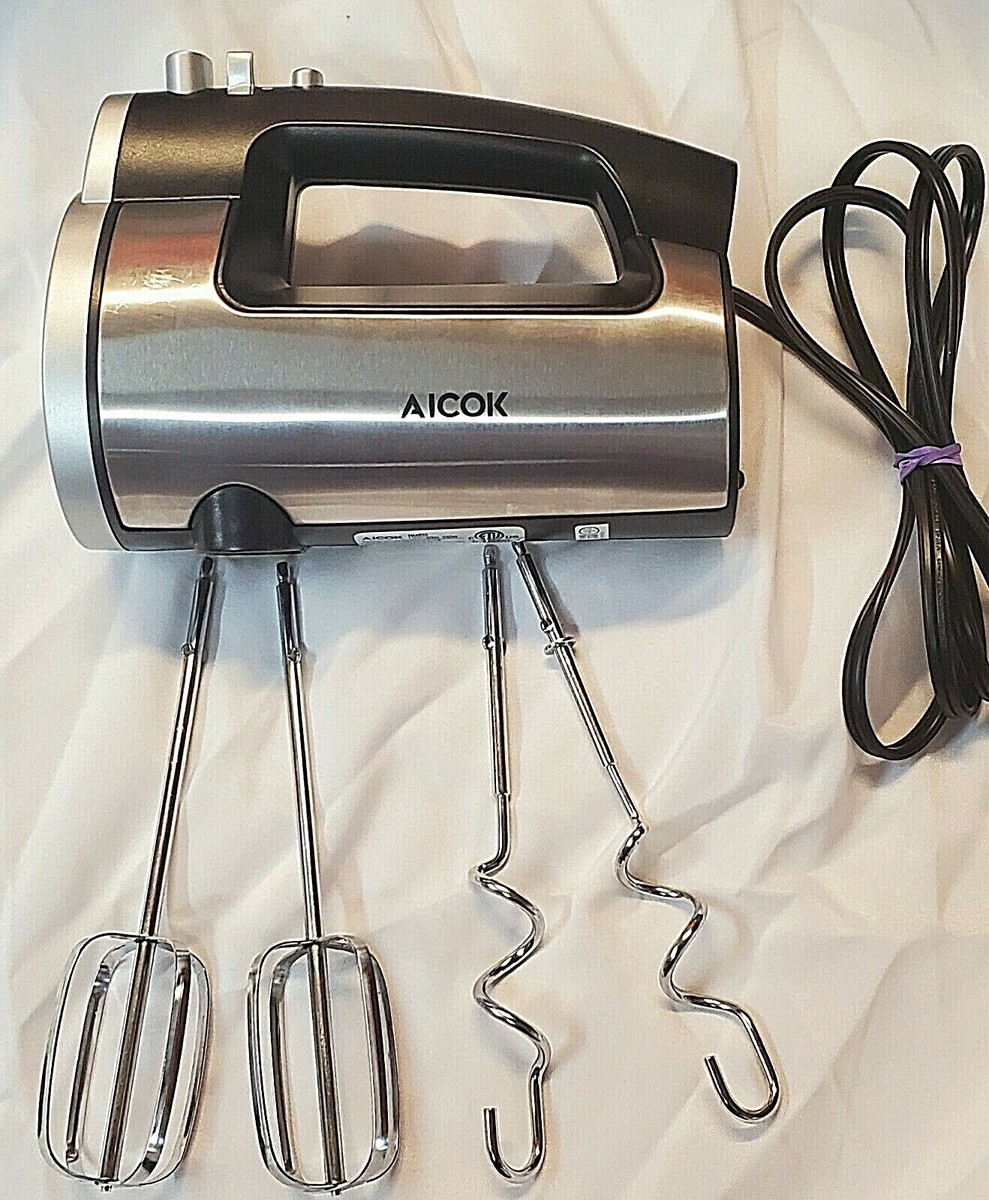
Your Step-by-Step Guide on How to Fix a Broken Beater
Alright, let’s roll up our sleeves and get to the repair itself. First, unplug your hand mixer. This is a non-negotiable safety step. We’re dealing with small parts, not electric shocks.
Scenario 1: The Beater is Bent or Warped
This is the most common issue and often the most fixable. A bent beater will wobble and scrape against the bowl, creating an awful noise and mixing unevenly.
- Assess the Damage: Lay the beater on a flat surface, like a kitchen counter. Roll it. You’ll immediately see which part is bent out of shape. Compare it to its undamaged twin to see what the correct shape should be.
- Gentle Persuasion: Using your hands, carefully try to bend the tine back into its original position. Apply slow, steady pressure. Don’t jerk it, as this can weaken the metal further.
- Bring in the Tools (Carefully): If hand pressure isn’t enough, you can use a pair of pliers. Crucially, wrap the beater tine in a thick cloth or a piece of leather before gripping it with the pliers. This prevents the tool from scratching or creating weak spots on the metal.
- Check Your Work: After each adjustment, lay it back on the flat surface and check its alignment. The goal is to get it as straight as possible so it rotates smoothly without wobbling.
Scenario 2: The Beater Won’t Click into the Mixer
If a beater won’t lock in place or falls out during use, the problem is usually with the collar at the top of the beater stem.
- Inspect the Collar: Look at the top of the beater. You should see a small ring or indentation. This is what the mixer’s internal clip latches onto. Compare the faulty beater to the working one. Is the collar bent, compressed, or full of debris?
- Clean it Out: Sometimes, dried-up batter or food particles can get stuck in this collar, preventing a secure connection. Use a toothpick or a small brush to thoroughly clean the area.
- Minor Adjustments: If the collar itself appears slightly bent or squashed (perhaps from a drop), you can try a very gentle adjustment with pliers, again, using a cloth to protect the metal. This is a delicate operation, so be cautious. If it’s severely damaged, it’s often better to replace it.
Expert Tip: “One beater shaft is often designed with a small ‘collar’ or flange near the end, while the other is not. This design ensures that each beater fits into a specific socket to promote proper mixing. If your beaters aren’t inserting, double-check you’re putting the correct beater in the correct hole before assuming it’s broken.” – Chef Alejandro Flores, Professional Pastry Chef
When to Say Goodbye: Knowing When a Beater is Beyond Repair
Sometimes, a fix just isn’t in the cards. It’s crucial to know when to stop trying to fix a broken beater and start looking for a replacement.
- Cracked Welds: If you see a crack where the tines connect to the central post, the beater is unsafe to use. It will break completely, potentially in the middle of your food.
- Significant Rust: Surface rust can sometimes be cleaned, but if the metal is pitted or flaking, its structural integrity is compromised.
- Severe Bending: If the beater is bent into a pretzel shape, you’re unlikely to get it perfectly straight again. Using a severely misshapen beater can actually damage your mixer’s motor over time.
In these cases, the best course of action is to find a replacement. Check your manufacturer’s website or online appliance part stores. Be sure to have your hand mixer’s model number handy to ensure you get the right fit.
Prevention is Key: Choosing and Caring for Your Beaters
The best way to handle a broken beater is to never have one in the first place. This comes down to two things: choosing a mixer with quality attachments and treating them right.
What Features Make for a Durable Beater?
When you’re in the market for a new hand mixer, pay close attention to the beaters. They are not all created equal.
- Material: Look for high-quality, heavy-gauge stainless steel. It’s durable, rust-resistant, and dishwasher-safe. Avoid thin, flimsy-feeling chrome-plated beaters, as the plating can chip off over time.
- Design: Some modern mixers come with “turbo beaters” or silicone-tipped beaters. Turbo beaters are designed for faster, more efficient mixing, and their robust build often makes them more durable. Silicone tips are great for scraping the bowl, reducing the chances of you banging the beater against the side and bending it.
- The Slow-Start Feature: A hand mixer with a “soft start” or “slow start” function is a game-changer. It revs up the motor gradually, preventing that initial, violent jerk that can send flour flying and put sudden stress on the beaters.
|
Our Picks for the Best Hand Mixer in 2025
As an Amazon Associate, we earn from qualifying purchases.
|
||
| Num | Product | Action |
|---|---|---|
| 1 | Proctor Silex Easy Mix 5-Speed Electric Hand Mixer with Bowl Rest, Compact and Lightweight, 215 Watts of Peak Power, Storage Case, Black (62512) |

|
| 2 | Hand Mixer Attachments Beater 6Pcs, Whisk, Blending Rod and Dough Hooks, Stainless Steel Hand Mixer Accessories for Kitchenaid Hand Mixers KHM3 KHM5 KHM7 KHM9, Dishwasher Safe |
|
| 3 | Cuisinart HM-90BCS Power Advantage Plus 9-Speed Handheld Mixer with Storage Case, Brushed Chrome |
|
| 4 | Ninja Hand Mixer, Immersion Blender, Foodi Power Mixer System, 750-Peak-Watt Handheld Emulsion Blender & Electric Hand Mixer Combo With Whisk, Beaters & 3-Cup Blending Vessel,120 volts, Black CI101 |
|
| 5 | bella 3.5 Qt Hand & Stand Mixer, 2 in 1 Electric Mixer with Bowl, Dough Hook, Whisk & Egg Beater, Multifunctional Handheld Blender & Mixer for Baking, 200 Watt, Surf |
|
| 6 | Hand Mixer Electric, 400W Food Mixer 5 Speeds Handheld Blender, 5 Stainless Steel Accessories, Storage Box, Kitchen Blender with Cord for Cream, Cookies, Dishwasher Safe, White |
|
| 7 | KitchenAid 9-Speed Digital Hand Mixer with Turbo Beater II Accessories and Pro Whisk - Contour Silver |
|
| 8 | Hand Mixer Electric, 450W Kitchen Mixers with Scale Cup Storage Case, Turbo Boost/Self-Control Speed + 5 Speed + Eject Button + 5 Stainless Steel Accessories, For Easy Whipping Dough,Cream,Cake |
|
| 9 | Hand Mixer Electric Mixing Bowls Set, 5 Speeds Handheld Mixer with 4 Nesting Stainless Steel Mixing Bowl, Measuring Cups Spoons 200W Kitchen Blender Whisk Beater Baking Supplies For Beginner |
|
| 10 | KitchenAid 5 Ultra Power Speed Hand Mixer - KHM512, Matte Black |
|
Proper Cleaning and Storage: A Beater’s Best Friend
How you care for your beaters after the mixing is done is just as important as how you use them.
- Clean Immediately: Don’t let batter dry and harden on them. It makes cleaning a chore and can hide potential rust spots.
- Hand Wash if Possible: While most stainless steel beaters are dishwasher safe, hand washing is gentler and gives you a chance to inspect them for any signs of wear and tear.
- Dry Thoroughly: This is the most critical step. Water is the enemy of metal. Dry your beaters completely with a towel before storing them to prevent any chance of rust.
- Store Smartly: Don’t just toss them in a crowded utensil drawer where they can get bent and tangled. Many mixers come with a storage case for a reason. Use it! If yours didn’t, consider storing them upright in a jar or a dedicated section of your drawer.
Hand Mixer Beaters vs. The Alternatives: Are You Using the Right Tool?
Sometimes, a broken beater is a cry for help from your mixer. It might be telling you that you’re asking it to do a job it wasn’t designed for. Understanding the right tool for the task can save your beaters and improve your results.
| Tool | Best For | Why It’s Better | Beater Durability Concern |
|---|---|---|---|
| Hand Mixer | Whipping cream, egg whites, cake batters, cookie doughs (most types), creaming butter and sugar. | Quick, portable, and perfect for light to medium-duty tasks. | High for very stiff doughs (e.g., dense gingerbread) or trying to mix cold, hard butter. |
| Stand Mixer | Bread dough, large batches, very stiff cookie doughs, long mixing times (e.g., marshmallows). | Powerful motor and specialized attachments (dough hook, flat beater) handle heavy loads with ease. | N/A – Built for the job. |
| Manual Whisk | Light whipping, emulsifying vinaigrettes, mixing small quantities of dry ingredients. | Provides ultimate control and prevents over-mixing. | N/A – Powered by you! |
If you find yourself consistently making heavy bread doughs and breaking or bending beaters, it might be a sign that it’s time to invest in a stand mixer. Using the right tool for the job isn’t just about efficiency; it’s about protecting your equipment. You can explore our [in-depth comparison of Hand Mixers vs. Stand Mixers] to see which is right for your kitchen.
Frequently Asked Questions (FAQ)
Q: Can I use beaters from a different brand on my hand mixer?
A: It is highly discouraged. Beaters are designed specifically for the model and brand of the mixer. An ill-fitting beater may not lock in securely, could damage the mixer’s internal gears, or may not spin correctly. Always use manufacturer-approved replacements.
Q: One of my beaters seems to wobble more than the other. Is this normal?
A: A very slight wobble can be normal, but a significant, noticeable wobble is a sign that the beater is bent. Try the straightening method described above. If it continues, it could also indicate an issue with the mixer’s gearing, so it’s worth investigating before it gets worse.
Q: How do I remove rust from my hand mixer beaters?
A: For light surface rust, you can make a paste of baking soda and water or lemon juice. Apply it to the rusty spot, let it sit for 30 minutes, and then scrub with a non-abrasive scourer or old toothbrush. Rinse and dry immediately and thoroughly. If the rust is deep or has pitted the metal, it’s safer to replace the beater.
Q: Why does my hand mixer have two different looking beaters?
A: This is intentional. One beater has a small collar or flange on the stem, and the other does not. This design ensures each beater fits into a specific socket. This is done to create a more efficient mixing pattern and to prevent the beaters from hitting each other while spinning.
Q: Can a broken beater damage my hand mixer?
A: Yes, absolutely. A bent beater that wobbles excessively puts an uneven load and strain on the motor and gears. This can cause the motor to overheat and wear out prematurely. That’s why it’s so important to stop using a damaged beater immediately.
Your Partner in the Kitchen, Back in Action
A broken beater can feel like a major setback, but as you’ve seen, it’s often a manageable problem. By knowing how to fix a broken beater for minor issues and, more importantly, how to properly use, care for, and choose a mixer with robust attachments, you can keep your trusty kitchen sidekick running smoothly for years. A great hand mixer is more than just an appliance; it’s a partner in your culinary creations. Now that yours is back in working order, go finish that recipe! We’d love to hear about your own beater-fixing triumphs in the comments below.