Let’s be honest, we’ve all been there. You’re excited to whip up a batch of cookies or a fluffy cake. You add your flour, grab your trusty hand mixer, and hit the power button. The next thing you know, your kitchen counter, your shirt, and maybe even your face are dusted with a fine layer of flour. Knowing How To Mix Without Splattering isn’t just about keeping your kitchen clean; it’s about mastering your tool and making the baking process smoother and more enjoyable. As the lead expert here, I’ve seen my fair share of batter-splattered walls, and I’m here to share the secrets to a perfectly clean mix, every single time.
Why Does My Hand Mixer Splatter Everywhere?
Before we dive into the solutions, it helps to understand the “why.” Think of it as a little bit of kitchen physics. Splatter is the result of a perfect storm of three factors: high speed, shallow bowls, and low-viscosity liquids. When the beaters spin rapidly, they create a vortex. If that vortex doesn’t have deep enough walls (your bowl) to contain it, or if the liquid is thin and light (like milk or egg whites), it easily climbs the sides and escapes. It’s not your fault; it’s just science! But the good news is, you can outsmart the science.
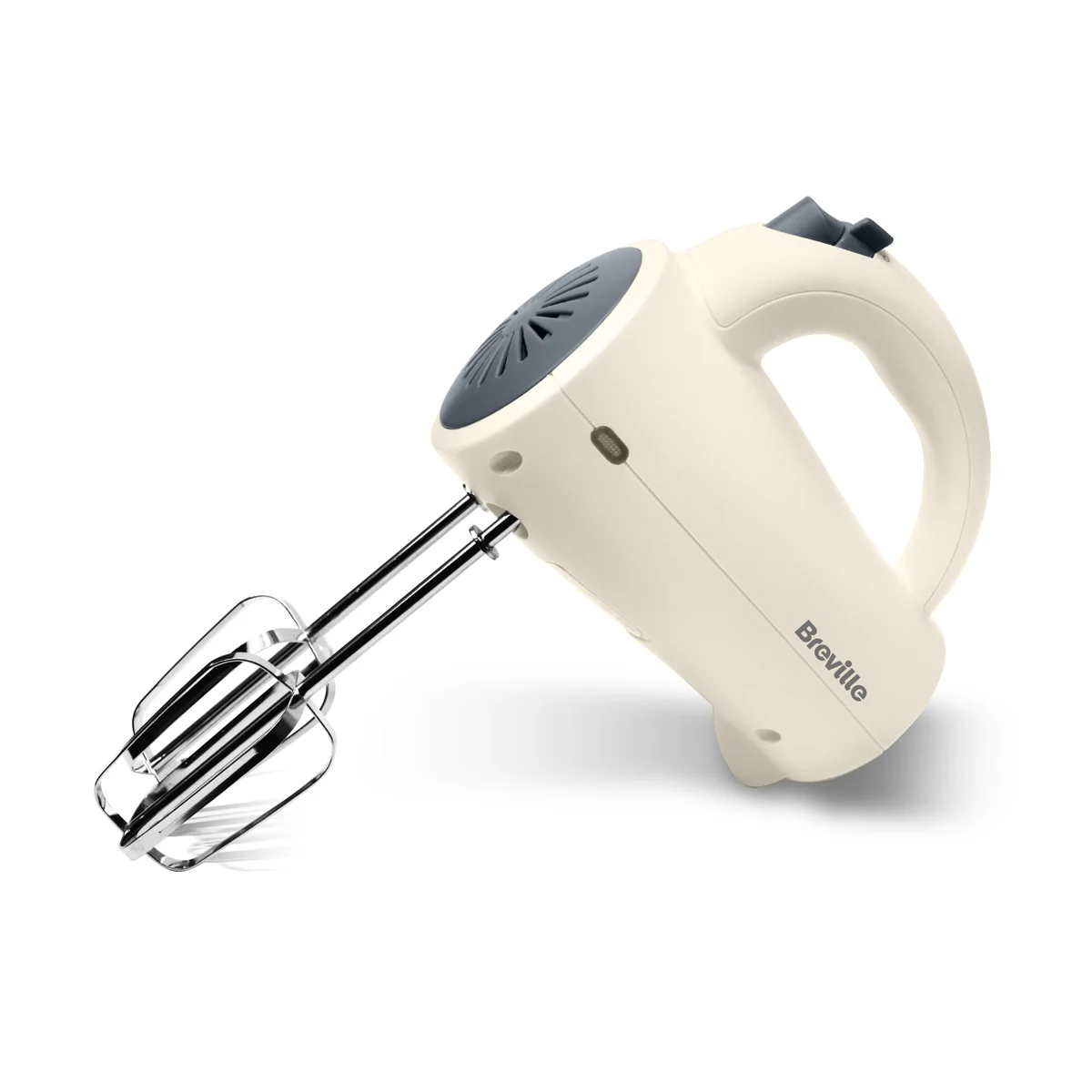
Your First Line of Defense: The Right Gear
The battle against splatter begins before you even turn the mixer on. Setting yourself up for success with the right equipment is half the job done.
Choose Your Bowl Wisely
Your mixing bowl is your most important ally. A wide, shallow bowl is an open invitation for a mess.
- Go Deep: Opt for a bowl that is deep rather than wide. The high sides act as a natural splash guard, containing the ingredients as they move.
- Size Matters: Make sure the bowl is large enough. You should aim to fill it no more than halfway with your ingredients to give the beaters and the mixture plenty of room.
- Material: Glass or stainless steel bowls with a non-slip base are fantastic. They’re heavy enough to stay put while you’re maneuvering the mixer.
Does Your Hand Mixer Have a Slow Start?
Modern hand mixers have come a long way. One of the most valuable features for mess-free mixing is a “slow start” or “soft start” function. This feature gradually increases the speed from zero to your selected setting, rather than jolting from 0 to 100 in a split second. This gentle acceleration gives the ingredients time to incorporate before the full force of the beaters kicks in.
“For a beginner, a hand mixer with a slow start feature is a lifesaver. It’s the single most effective tool to prevent that initial, dreaded ‘flour cloud’ that can ruin the joy of baking.” – Isabella Rossi, Professional Pastry Chef
If you’re in the market for a new device, this is a non-negotiable feature. Our team has reviewed dozens of models, and you can see our top picks in [our comprehensive Hand Mixer Guide]
|
Our Picks for the Best Hand Mixer in 2025
As an Amazon Associate, we earn from qualifying purchases.
|
||
| Num | Product | Action |
|---|---|---|
| 1 | KitchenAid 5 Ultra Power Speed Hand Mixer - KHM512, Matte Black |

|
| 2 | bella 3.5 Qt Hand & Stand Mixer, 2 in 1 Electric Mixer with Bowl, Dough Hook, Whisk & Egg Beater, Multifunctional Handheld Blender & Mixer for Baking, 200 Watt, Surf |
|
| 3 | Hand Mixer Electric Mixing Bowls Set, 5 Speeds Handheld Mixer with 4 Nesting Stainless Steel Mixing Bowl, Measuring Cups Spoons 200W Kitchen Blender Whisk Beater Baking Supplies For Beginner |
|
| 4 | Hand Mixer Electric, 450W Kitchen Mixers with Scale Cup Storage Case, Turbo Boost/Self-Control Speed + 5 Speed + Eject Button + 5 Stainless Steel Accessories, For Easy Whipping Dough,Cream,Cake |
|
| 5 | Cuisinart HM-90BCS Power Advantage Plus 9-Speed Handheld Mixer with Storage Case, Brushed Chrome |
|
| 6 | KitchenAid 9-Speed Digital Hand Mixer with Turbo Beater II Accessories and Pro Whisk - Contour Silver |
|
| 7 | Hand Mixer Attachments Beater 6Pcs, Whisk, Blending Rod and Dough Hooks, Stainless Steel Hand Mixer Accessories for Kitchenaid Hand Mixers KHM3 KHM5 KHM7 KHM9, Dishwasher Safe |
|
| 8 | Ninja Hand Mixer, Immersion Blender, Foodi Power Mixer System, 750-Peak-Watt Handheld Emulsion Blender & Electric Hand Mixer Combo With Whisk, Beaters & 3-Cup Blending Vessel,120 volts, Black CI101 |
|
| 9 | Hand Mixer Electric, 400W Food Mixer 5 Speeds Handheld Blender, 5 Stainless Steel Accessories, Storage Box, Kitchen Blender with Cord for Cream, Cookies, Dishwasher Safe, White |
|
| 10 | Proctor Silex Easy Mix 5-Speed Electric Hand Mixer with Bowl Rest, Compact and Lightweight, 215 Watts of Peak Power, Storage Case, Black (62512) |
|
The Ultimate Technique: How to Mix Without Splattering Step-by-Step
Okay, your station is prepped. You’ve got your deep bowl and your slow-start mixer. Now, it’s all about technique. Follow these steps for a flawless, splatter-free experience.
- Plunge Before You Power: This is the golden rule. Always insert the beaters fully into your ingredients before you turn the mixer on. Starting the mixer mid-air and then plunging it into the bowl is the fastest way to redecorate your kitchen with batter.
- Start Low and Go Slow: Always, and I mean always, begin on the lowest possible speed setting. This is crucial when you’re first combining wet and dry ingredients. Mix on low until the flour is just moistened and no longer loose. Only then should you gradually increase the speed.
- Master the Angle: Don’t hold the mixer perfectly vertical. Tilt it slightly, at about a 15-degree angle. This helps create a better mixing vortex and pushes ingredients toward the sides and back down into the center, rather than straight up and out of the bowl.
- Keep the Beaters Submerged: Try to keep the spinning portion of the beaters below the surface of your batter as much as possible. When you lift them, you break the surface tension and fling droplets everywhere. If you need to scrape the sides of the bowl, turn the mixer off completely first.
- Use a Circular Motion: Move the hand mixer around the bowl in a slow, circular motion. Don’t just hold it in one spot. This ensures everything gets mixed evenly and prevents pressure from building up in one area, which can cause a “volcanic” splatter event.
- The Towel Trick: For particularly thin liquids or powdery ingredients like confectioners’ sugar, you can employ a simple but effective trick. Drape a clean kitchen towel over the top of the bowl, leaving just enough space for you to insert the mixer. This acts as a makeshift splash guard.
Hand Mixer vs. Stand Mixer: The Splatter Showdown
People often ask if a stand mixer is less messy. The answer is generally yes, but it comes with a trade-off. A stand mixer’s design, with its fixed head and deep, fitted bowl, naturally contains messes better. Many also come with dedicated pouring shields.
However, a hand mixer offers unparalleled control and versatility. You can use it with any bowl, and you can control exactly where the beaters go. Learning how to mix without splattering with a hand mixer is a valuable kitchen skill that makes you a more adaptable baker. While a stand mixer prevents messes through design, a hand mixer allows you to prevent them through technique.
Cleaning and Care for Your Hand Mixer
Even with the best technique, a little mess is sometimes inevitable. Proper cleaning ensures your mixer stays in top shape.
- Eject and Soak: Always unplug the mixer before ejecting the beaters. Pop them into a glass of warm, soapy water immediately after use. This prevents batter from drying on and becoming a pain to scrub off.
- Wipe Down the Body: Use a damp cloth to wipe down the main body of the mixer. Never submerge the motor housing in water.
- Check the Vents: Occasionally, check the air vents for any flour dust or dried batter and clean them out with a dry brush or a toothpick to ensure the motor doesn’t overheat.
Following these simple tips will not only keep your kitchen clean but will also make you feel more confident and in control of your baking projects.
Frequently Asked Questions (FAQ)
What is the best speed to start mixing at to avoid splatter?
Always start at the absolute lowest speed setting your hand mixer offers. Mix on this speed until the dry ingredients, like flour, are fully incorporated and moistened. You can then gradually increase the speed as the batter thickens.
Can the type of beaters I use affect how much it splatters?
Yes, to some extent. Traditional twin beaters are generally fine, but some models come with whisks or dough hooks. Whisks can incorporate a lot of air quickly and may cause more splashing with thin liquids if you’re not careful. The key is always to keep the attachment submerged and the speed low initially.
Is a cordless hand mixer better for preventing splatter?
A cordless hand mixer’s main advantage is maneuverability, not necessarily splatter prevention. The lack of a cord allows you to angle the mixer more freely, which can help with control. However, the core principles of using a deep bowl and starting on a low speed are still the most important factors.
How do I add more liquid to my mix without it splashing?
When adding more liquid (like milk or oil), turn the mixer off first. Pour the liquid down the side of the bowl. Then, submerge the beaters again and start on the lowest speed to incorporate the new liquid slowly before ramping up the speed.
My mixer only has high speeds. What can I do?
If your mixer lacks a true low speed, the “pulse” technique is your best friend. Instead of turning it on and leaving it on, turn it on and off in short, quick bursts. This mimics a low speed and gives you much more control during the initial, crucial mixing phase.
Mastering how to mix without splattering truly transforms the baking experience from a potentially messy chore into a clean, precise, and enjoyable craft. By combining the right equipment with the right technique, you can say goodbye to flour clouds and hello to a spotless kitchen and perfect results. Now go on and whip up something delicious—mess-free! We’d love to hear your own tips and tricks in the comments below.