Ever had that brilliant 6 AM idea to bake fresh muffins for the family, only to be stopped by the thought of waking the entire house? You tiptoe into the kitchen, grab your trusty hand mixer, and brace yourself for the inevitable roar. If you’re wondering How To Use A Hand Mixer Quietly, you’re not alone. It’s a common kitchen conundrum. But here’s the good news: you don’t have to choose between peaceful mornings and perfectly whipped cream. I’m here to share some of my go-to secrets, honed over years of late-night and early-morning baking sessions, to turn your noisy mixer into a much more discreet kitchen companion.
Why Are Hand Mixers So Loud Anyway? A Peek Inside
Before we dive into the “how,” let’s quickly understand the “why.” Why does this compact gadget sound like a tiny jet engine taking off on your countertop?
At its heart, a hand mixer is a powerful motor packed into a small, handheld casing. This motor spins a set of gears at high speed, which in turn rotates the beaters. The noise you hear is a combination of a few things:
- The Motor: High-speed electric motors naturally produce a whirring sound. The faster it spins, the louder it gets.
- The Gears: Metal or plastic gears meshing together create friction and noise.
- Vibration: The entire process generates significant vibration. This vibration travels from the mixer, through your hand, to the bowl, and then to the countertop, which acts like a giant amplifier.
- The Beaters: As the beaters slice through ingredients at high RPMs, they also contribute to the overall sound level.
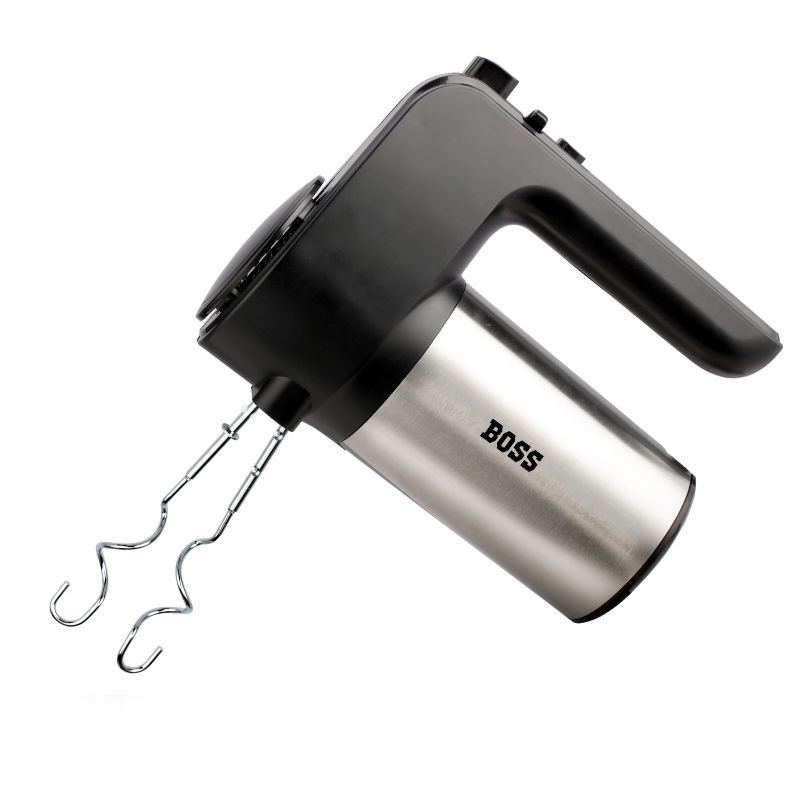
Understanding these sources of noise is the key to effectively learning how to use a hand mixer quietly. We’re not just masking the sound; we’re tackling it at its source.
The Ultimate Guide on How to Use a Hand Mixer Quietly
Ready to reclaim the peace in your kitchen? It’s not about one magic button, but a combination of smart setup, proper technique, and choosing the right tools.
It Starts with Your Setup: Taming the Environment
The biggest amplifier for your mixer’s noise is your hard countertop. By creating a buffer, you can dramatically reduce the sound.
- The Towel Trick: This is the simplest and most effective first step. Place a folded dish towel or a silicone baking mat on the counter before you put your bowl down. This simple layer will absorb a huge amount of vibration, preventing your counter from acting like a drum.
- Choose a Solid Surface: Avoid mixing on flimsy tables or directly over a hollow cabinet. A sturdy, solid part of your countertop, like one directly over a support beam or leg, will vibrate less.
- Location, Location, Location: Sound waves bounce off hard surfaces. If possible, try not to mix in a tight corner where the sound will be amplified by two or three walls. A more open area is always better.
Expert Tip: As renowned pastry chef Amelia Thorne always says, “Your kitchen environment is an ingredient in itself. A calm, controlled setup not only leads to better baking but also a more enjoyable process. A simple silicone mat under your bowl is the easiest upgrade for any baker.”
Technique is Everything: Mixing Like a Pro
How you handle the mixer makes a world of difference. A little finesse goes a long way in noise reduction.
- Embrace the Soft Start: Never, ever start your mixer on high speed. This not only sends flour flying everywhere but also jolts the motor from 0 to 100, creating the loudest possible noise. Always begin on the lowest speed setting to gently combine the ingredients and allow the motor to ramp up smoothly.
- Use the Right Bowl: A deep, sturdy bowl is your best friend. A heavy glass, ceramic, or thick stainless steel bowl will absorb more vibration than a thin, flimsy plastic one. The high sides also help contain both the ingredients and some of the sound.
- Don’t Scrape the Sides (With the Beaters): Resist the urge to bang the beaters against the side of the bowl. This is a major source of loud, clanging noise. Instead, stop the mixer and use a silicone spatula to scrape down the sides.
- Pulse and Pause: For tasks like incorporating flour, you don’t need continuous power. Use short bursts of mixing—a technique called pulsing. This gives the motor a break and significantly cuts down on the overall run time and noise.
- Let Ingredients Soften: Trying to cream cold, rock-hard butter is a workout for both you and your mixer’s motor. A struggling motor is a loud motor. Let your butter and cream cheese soften to room temperature first. They will incorporate much more easily and quietly.
The Right Tools for a Peaceful Mix
If you’re in the market for a new mixer or just want to know what to look for, some features are inherently quieter than others. Learning how to use a hand mixer quietly is easier when the tool is designed for it.
| Feature | Why It’s Quieter | What to Look For |
|---|---|---|
| DC Motor | Direct Current (DC) motors are more efficient, run smoother, and are significantly quieter than traditional Alternating Current (AC) motors. | Look for “DC Motor” in the product specifications. They are often found in higher-end models. |
| Slow Start Feature | This feature automatically starts the mixer at a low speed, regardless of the setting you choose, before ramping up. | Often marketed as “Soft Start,” “Smooth Start,” or “Anti-Splat.” |
| Build Quality | A well-built mixer with a solid, heavy-duty casing will vibrate less and feel more stable in your hand, reducing rattle. | Heavier models with fewer flimsy plastic parts are generally a good sign. |
| Silicone-Tipped Beaters | Some newer models come with beaters that have silicone tips, which reduces the harsh clanging sound if they touch the bowl. | This is a premium feature but can make a noticeable difference. |
|
Our Picks for the Best Hand Mixer in 2026
As an Amazon Associate, we earn from qualifying purchases.
|
||
| Num | Product | Action |
|---|---|---|
| 1 | Ninja Hand Mixer, Immersion Blender, Foodi Power Mixer System, 750-Peak-Watt Handheld Emulsion Blender & Electric Hand Mixer Combo With Whisk, Beaters & 3-Cup Blending Vessel,120 volts, Black CI101 |

|
| 2 | KitchenAid 5 Ultra Power Speed Hand Mixer - KHM512, Matte Black |
|
| 3 | Hand Mixer Electric, 450W Kitchen Mixers with Scale Cup Storage Case, Turbo Boost/Self-Control Speed + 5 Speed + Eject Button + 5 Stainless Steel Accessories, For Easy Whipping Dough,Cream,Cake |
|
| 4 | Hand Mixer Attachments Beater 6Pcs, Whisk, Blending Rod and Dough Hooks, Stainless Steel Hand Mixer Accessories for Kitchenaid Hand Mixers KHM3 KHM5 KHM7 KHM9, Dishwasher Safe |
|
| 5 | Hand Mixer Electric, 400W Food Mixer 5 Speeds Handheld Blender, 5 Stainless Steel Accessories, Storage Box, Kitchen Blender with Cord for Cream, Cookies, Dishwasher Safe, White |
|
| 6 | KitchenAid 9-Speed Digital Hand Mixer with Turbo Beater II Accessories and Pro Whisk - Contour Silver |
|
| 7 | bella 3.5 Qt Hand & Stand Mixer, 2 in 1 Electric Mixer with Bowl, Dough Hook, Whisk & Egg Beater, Multifunctional Handheld Blender & Mixer for Baking, 200 Watt, Surf |
|
| 8 | Proctor Silex Easy Mix 5-Speed Electric Hand Mixer with Bowl Rest, Compact and Lightweight, 215 Watts of Peak Power, Storage Case, Black (62512) |
|
| 9 | Cuisinart HM-90BCS Power Advantage Plus 9-Speed Handheld Mixer with Storage Case, Brushed Chrome |
|
| 10 | Hand Mixer Electric Mixing Bowls Set, 5 Speeds Handheld Mixer with 4 Nesting Stainless Steel Mixing Bowl, Measuring Cups Spoons 200W Kitchen Blender Whisk Beater Baking Supplies For Beginner |
|
Hand Mixer vs. Stand Mixer: The Sound Showdown
A common question is whether a big stand mixer is quieter than its handheld cousin. The answer is it depends.
- Hand Mixers: Are generally higher-pitched. Their noise is more direct because you’re holding the source. However, their smaller motors mean the overall decibel level can be lower than a powerful stand mixer at full tilt.
- Stand Mixers: Have larger, more powerful motors that can produce a deeper, rumbling sound. However, because the motor is enclosed in a heavy, stable base, much of the vibration is dampened. They often sound less “screechy” and more “powerful.”
Ultimately, a high-quality hand mixer with a DC motor used with the quiet techniques above can be more discreet than a budget stand mixer running at high speed.
Keeping It Quiet for the Long Haul: Maintenance Tips
A well-cared-for machine is a happier, quieter machine.
- Keep it Clean: Make sure the vents on your mixer’s body are free of flour and dust. Clogged vents can cause the motor to overheat, work harder, and get louder.
- Check Your Beaters: Bent or damaged beaters can cause the mixer to wobble and vibrate excessively. If they don’t insert smoothly or look misaligned, it’s time for a new pair.
- Listen for Changes: If your mixer suddenly starts making new grinding or rattling noises, stop using it. It could be a sign of a failing gear or motor, which is a safety concern.
Frequently Asked Questions
What is the best way to make my cheap hand mixer quieter?
The most effective method for any mixer, especially a budget model, is to place a folded towel or silicone mat under your mixing bowl. This absorbs vibrations that amplify sound. Also, always start on the lowest speed.
Are there any truly silent hand mixers?
Unfortunately, no electric mixer is completely silent due to the nature of its motor. However, models with DC motors are drastically quieter than standard AC motor mixers, offering a low hum rather than a high-pitched whine.
Does the type of beater affect the noise level?
Yes, to some extent. Standard wire beaters are generally fine, but some brands offer silicone-tipped beaters which prevent the loud clanging noise when they make contact with a glass or ceramic bowl.
Why does my hand mixer get louder over time?
This could be due to a few factors. Clogged air vents can make the motor work harder and louder. It could also indicate internal wear and tear on the gears or motor brushes, which happens with age and heavy use.
Can I use a hand mixer in an apartment without disturbing neighbors?
Absolutely. By following the tips in this guide—especially using a towel under the bowl, avoiding early morning or late-night mixing on shared walls, and using the pulse technique—you can significantly minimize the disturbance.
Your Quiet Baking Journey Starts Now
See? You don’t have to sacrifice your baking passion for a little peace and quiet. By being mindful of your workspace, refining your technique, and understanding your tool, you have all the power you need. Mastering how to use a hand mixer quietly is a skill that will not only make you a more considerate baker but also a more efficient one. Now go ahead, whip up those early-morning muffins or that late-night meringue—your family, and your neighbors, will thank you.