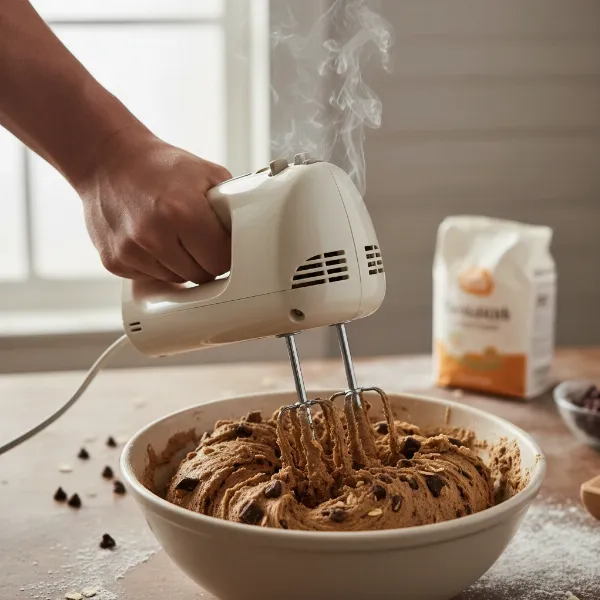
There’s nothing more frustrating in the kitchen than a hand mixer that suddenly stops or starts to feel alarmingly hot. If you’ve ever experienced your trusty hand mixer overheating, emitting a strange smell, or shutting down mid-recipe, you’re not alone. This common issue can derail your baking plans, but understanding why it happens and how to prevent it is key to keeping your appliance running smoothly for years to come.
What is a Hand Mixer and Why Does It Overheat?
A hand mixer is an indispensable kitchen tool designed to simplify tasks like whipping cream, mixing batters, and kneading light doughs. Its compact size and portability make it a favorite for many home cooks and bakers. At its core, a hand mixer operates with an electric motor that powers a set of beaters or dough hooks. Like any electrical appliance with a motor, a hand mixer generates heat during operation. This is a normal part of its function. However, when the heat generated exceeds a safe threshold, the mixer can overheat. Many modern mixers are equipped with an internal thermal overload protection switch, which automatically shuts off the appliance to prevent damage when it gets too hot. This safety feature is designed to protect the motor from burnout and can often reactivate once the mixer has cooled down sufficiently, typically after about 30 minutes.
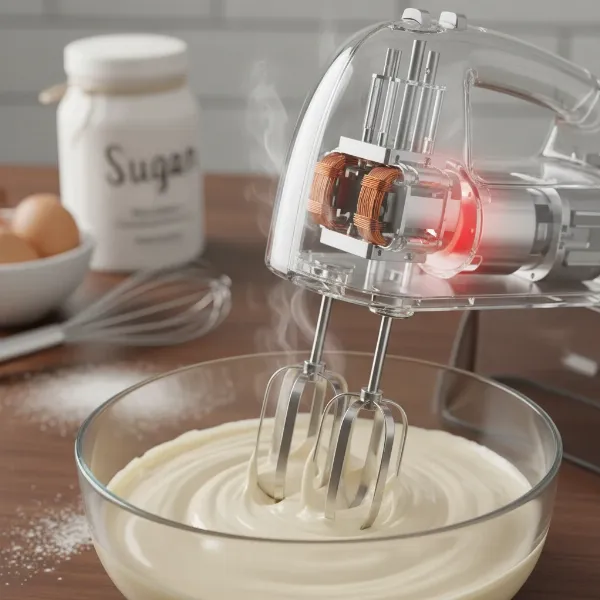 Close-up of a hand mixer's internal motor and beaters, illustrating heat generation during operation.
Common Reasons Your Hand Mixer Overheats
Understanding the root causes of overheating can help you prevent it and ensure your hand mixer lasts longer. Here are the primary culprits:
Prolonged Use Without Breaks
|
Our Picks for the Best Hand mixer in 2026
As an Amazon Associate I earn from qualifying purchases.
|
||
| Num | Product | Action |
|---|---|---|
| 1 | Wellness Extract Multi-Speed Rechargeable Electric Milk Frother, Li-ion Battery Powered – Certified Safe, Ideal for Coffee, Matcha, Protein & Colostrum |

|
| 2 | OVENTE 5-Speed Electric Hand Mixer with Stainless Steel Mixing Whisk, Snap-On Storage Case, Portable & Lightweight 150W Motor, Compact Handheld Mixer for Baking, Blending or Cooking, Red HM151R |
|
| 3 | KitchenAid 5-Speed Ultra Power Hand Mixer - KHM512, Contour Silver |
|
| 4 | KitchenAid 5 Ultra Power Speed Hand Mixer - KHM512, Aqua Sky |
|
| 5 | Hamilton Beach 6-Speed Electric Hand Mixer with Whisk, Traditional Beaters, Snap-On Storage Case, 250 Watts, White |
|
| 6 | OVENTE 5-Speed Corded Electric Hand Mixer with Stainless Steel Whisks, Compact Portable Design with Snap-On Storage Case,150W Lightweight Handheld Mixer for Baking & Cooking, Black HM151B |
|
| 7 | 600W Electric Hand Mixer Kitchen Handheld Mixer 10 Speed Powerful with Turbo for Baking Cake Lightweight & Personal Electric Mixer with Egg Baking Beaters Dough Hooks, Whipping Mixing Cookies |
|
| 8 | Maestri House Rechargeable Milk Frother with Stand, LunaFro Handheld Electric Foam Maker Waterproof Detachable Stainless Steel Whisk Drink Mixer Foamer for Lattes, Cappuccino |
|
| 9 | KitchenAid 5-Speed Ultra Power Hand Mixer |
|
| 10 | OVENTE 5-Speed Corded Electric Hand Mixer with Stainless Steel Whisks, Compact Portable Design with Snap-On Storage Case,150W Lightweight Handheld Mixer for Baking & Cooking, White HM151W |
|
Continuous operation is one of the most frequent reasons hand mixers overheat. The motor works harder and longer, leading to an excessive buildup of heat. Even powerful motors need a rest, especially during demanding tasks. For instance, some hand blenders recommend limiting use to 10-second bursts, followed by a minute of rest.
Overloading the Mixer
Every hand mixer has a capacity limit. Attempting to mix ingredients that are too thick or heavy, or simply too much volume for the mixer’s power, forces the motor to strain. This increased effort generates significant heat. Heavy doughs, thick batters, or large quantities can quickly push your mixer beyond its limits.
Incorrect Speed Settings
Using an inappropriate speed setting can also contribute to overheating. Running the mixer at too high a speed for an extended period, or conversely, using too low a speed for a heavy mixture, can put undue stress on the motor. The motor might struggle to maintain consistent revolutions, leading to heat generation.
Poor Ventilation
Hand mixers, like many appliances, have ventilation slots designed to allow air to circulate and cool the motor. If these vents become blocked by food debris, dust, or even by placing the mixer in an enclosed space, heat can get trapped inside. This lack of proper airflow prevents the motor from cooling down effectively.
Worn or Damaged Internal Components
Over time, internal parts such as motor brushes (though more commonly a concern for stand mixers, the principle of wear applies to internal motor components in hand mixers) can wear out. Damaged components can cause the motor to work inefficiently, leading to increased friction and heat. While less common for DIY repair in hand mixers, it’s a possibility for older or heavily used units.
Using Warm or Hot Ingredients
While often overlooked, blending warm or hot ingredients can contribute to your mixer’s internal temperature rising faster. When hot ingredients are processed, the heat can transfer to the mixer’s components, making it more prone to overheating, especially if combined with other strenuous conditions.
How to Identify an Overheating Hand Mixer
Recognizing the signs of an overheating mixer early can prevent potential damage. Be on the lookout for these indicators:
- Burning Smell: A distinct burning odor, often described as plastic or electrical, is a strong signal that the motor is overheating. Unplug it immediately if you detect this.
- Excessive Heat to Touch: If the body of your hand mixer feels unusually hot, particularly near the motor housing, it’s a clear sign of overheating.
- Unusual Noises: Grinding, straining, or changes in the motor’s sound can indicate that the motor is under stress.
- Automatic Shutdown: As mentioned, many mixers have a thermal protection switch. If your mixer abruptly stops working mid-task, overheating is a likely cause.
Troubleshooting Steps for an Overheating Hand Mixer
If your hand mixer starts to overheat, follow these steps to address the issue:
- Unplug Immediately: Safety first. Disconnect the mixer from the power source to prevent further damage or electrical hazards.
- Allow it to Cool: Give your mixer ample time to cool down completely. This might take anywhere from a few minutes to 30 minutes, depending on the severity of the overheating.
- Inspect Ventilation Vents: Once cool, check the mixer’s ventilation slots for any blockages like dust, batter residue, or other debris. Use a soft brush or a dry cloth to gently clean them.
- Assess Load and Batch Size: Consider what you were mixing. Was the mixture too thick, or did you attempt to process too large a quantity? Adjust your recipes or split large batches into smaller, more manageable portions.
- Check Ingredient Temperature: If you were mixing warm ingredients, allow them to cool to room temperature before processing them with your hand mixer.
Preventive Measures to Extend Your Hand Mixer’s Lifespan
Prevention is always better than cure. By adopting good habits, you can significantly reduce the risk of your hand mixer overheating:
- Respect Run Times: Always adhere to the manufacturer’s recommended continuous run times and capacity limits. If the manual suggests short bursts, follow that advice.
- Take Breaks: For longer mixing tasks, pause occasionally to let the motor rest for a minute or two. This is particularly important for heavy mixtures.
- Use the Right Speed: Match the mixer’s speed to the consistency of your ingredients. Start slow and gradually increase speed, rather than jumping straight to the highest setting.
- Don’t Overload: Avoid overfilling your mixing bowl or attempting to mix overly dense ingredients that your hand mixer isn’t designed for. If a mixture feels too stiff, switch to a stand mixer or knead by hand.
- Ensure Proper Ventilation: Always use your hand mixer in an open area with good airflow. Keep the ventilation slots clear of obstructions and clean them regularly.
- Cool Ingredients: Allow hot or warm ingredients to cool down before mixing them to prevent adding extra heat to the motor.
- Regular Cleaning: Keep the exterior of your mixer clean, paying special attention to the areas around the motor and ventilation slots.
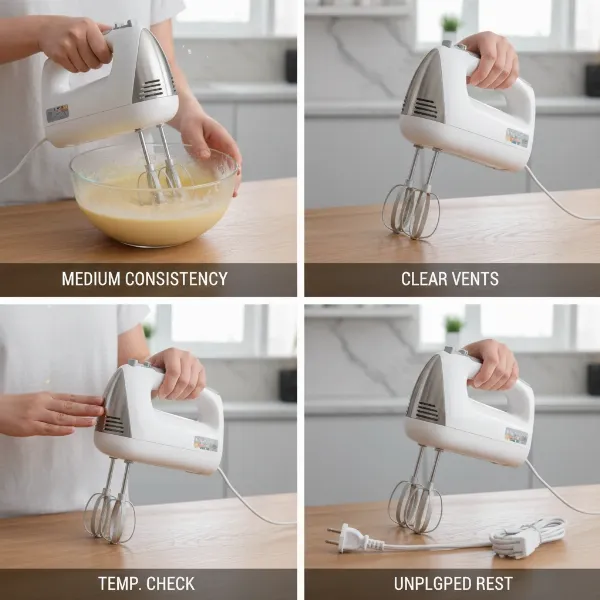 A composite image illustrating multiple preventive measures to stop a hand mixer from overheating.
When to Consider Professional Repair or Replacement
While many overheating issues can be resolved with simple troubleshooting and preventive measures, some situations may warrant professional attention or even a replacement. Consider these scenarios:
- Persistent Overheating: If your hand mixer continues to overheat despite following all troubleshooting and preventive steps, it could indicate a more serious internal issue with the motor or wiring.
- Immediate Burning Smell/Noise: If you detect a strong burning smell or loud grinding noises almost immediately upon starting the mixer, stop use. This often points to a critical motor failure.
- Visible Damage: Any visible damage to the casing, cord, or internal components (if safely accessible for inspection) suggests it’s time to consult a professional or replace the unit.
For internal motor issues, especially for a cost-effective appliance like a hand mixer, the cost of professional repair might exceed the price of a new unit. In such cases, investing in a new hand mixer with a good warranty often makes more sense.
Buying Guide: General Tips for Choosing a Durable Hand Mixer
When replacing or upgrading, look for models known for durability and efficient cooling. Consider the following:
- Wattage: Higher wattage generally means a more powerful motor, capable of handling tougher tasks with less strain, thus reducing the likelihood of overheating.
- Speed Settings: A good range of speed settings allows for precise control, preventing the motor from overworking at inappropriate speeds.
- Brand Reputation: Established brands often invest in better motor quality and safety features, including effective cooling systems and thermal protection.
- Ventilation Design: Observe the design of the vents; wider, less easily obstructed vents can indicate better airflow.
Conclusion
An overheating hand mixer can be a minor inconvenience or a sign of a deeper problem. By understanding the common causes—like prolonged use, overloading, and poor ventilation—and implementing simple preventive measures, you can significantly extend the life of your appliance. Always heed the warning signs like unusual smells or excessive heat, and give your mixer the breaks it deserves. Prioritizing proper usage and maintenance not only keeps your kitchen running smoothly but also ensures safety. What steps will you take today to keep your hand mixer in top shape?
Frequently Asked Questions
Is it normal for my hand mixer to get a little warm?
Yes, it’s normal for a hand mixer to generate some warmth during operation, as the motor produces heat. However, it should not feel excessively hot or uncomfortable to touch.
How long can I continuously use a hand mixer?
This varies by model and task, but a general guideline is to use it in short bursts, typically no more than 5-10 minutes for lighter tasks, and less for heavy mixtures, allowing for a rest period between uses. Always check your specific mixer’s manual for recommended run times.
What should I do if my hand mixer smells like burning?
If you detect a burning smell, immediately unplug the hand mixer. Allow it to cool down completely, check for any visible blockages in the vents, and ensure you’re not overloading it. If the smell persists after following these steps, stop using it and consider professional inspection or replacement.
Can old hand mixers overheat more easily?
Yes, older Hand Mixers can be more prone to overheating. Over time, motor components can wear out, reducing efficiency and increasing friction and heat generation. Additionally, older models may not have the same advanced cooling systems or thermal protection switches found in newer appliances.