Ever found yourself in a sticky situation—literally? You’ve just whipped up the most divine buttercream frosting, your hand mixer is covered in sugary goodness, and now comes the awkward part: prying those gooey beaters out of the machine. It’s a messy dance of twisting and pulling that often ends with more frosting on your hands than on the cake. If this sounds familiar, let me introduce you to the unsung hero of your kitchen drawer. So, What Is A Beater Ejector Button? It’s the simple, one-press solution that transforms your cleanup from a chore into a breeze, and frankly, it’s a feature you should never overlook.
What Exactly Is a Beater Ejector Button?
A beater ejector button is a mechanism, typically a single push-button or a lever located on the handle of a hand mixer, designed to release the beaters or other attachments from the device. With a simple press, it disengages the locking mechanism, allowing the beaters to drop out effortlessly for easy cleaning.
Think of it as the eject button on your old VCR or DVD player, but for your kitchen. Instead of a movie, it releases the tools of your culinary creation. This seemingly minor feature is a massive quality-of-life improvement. Before its invention, removing beaters involved a firm grip and a lot of wiggling. The beater ejector button eliminates that struggle entirely, making the end of your baking project clean, quick, and satisfying.
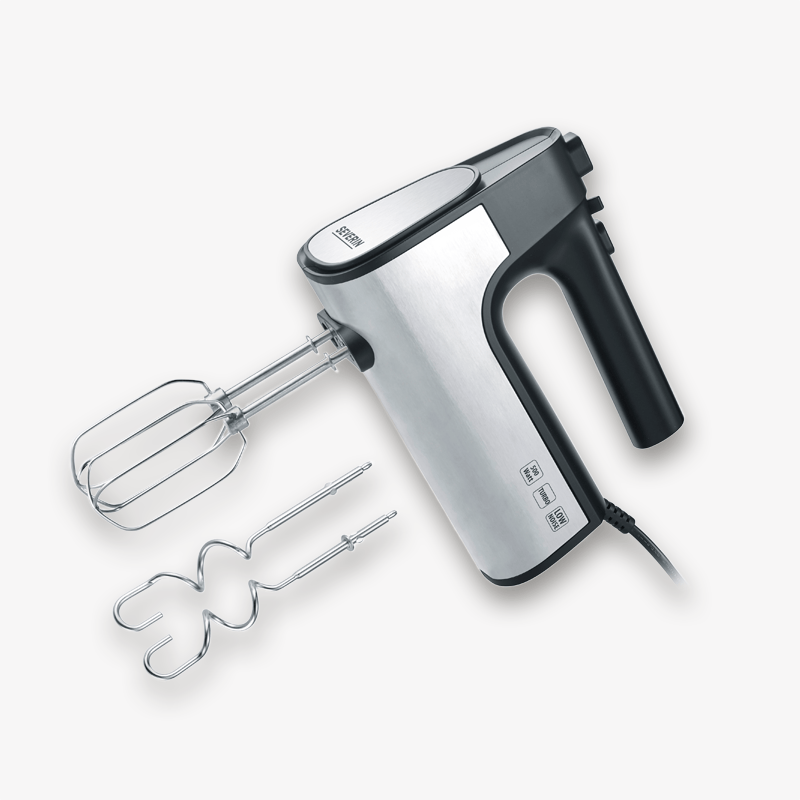
How Does This Nifty Little Button Actually Work?
The magic behind the beater ejector button is a simple yet brilliant bit of engineering. It’s not powered by electricity; it’s purely mechanical.
- Locking Mechanism: Inside the hand mixer, each socket that holds a beater has a small, spring-loaded collar or clip. When you insert a beater, the collar on the attachment clicks past this clip, locking it securely in place. This is why you feel that satisfying “click” – it’s the sound of the beater being safely secured.
- The Release Action: When you press the ejector button, it pushes a rod or plate inside the mixer’s housing. This internal plate presses against the spring-loaded clips, forcing them to open or retract.
- Gravity Takes Over: With the clips no longer holding the beaters in place, they are free to fall out. Just make sure you’re holding the mixer over a sink or a bowl to catch them!
It’s an elegant solution that prevents you from having to touch the messy ends of the beaters, keeping your hands clean and preventing batter from getting into the mixer’s ventilation ports.
Why the Beater Ejector Button is a Non-Negotiable Feature
In my years of testing and reviewing kitchen gadgets, I’ve come to see the beater ejector button as more than a convenience—it’s an essential feature that speaks volumes about the overall design and user-friendliness of a hand mixer.
“A baker’s time is precious. Features like a beater ejector button seem small, but they save seconds and reduce frustration, which adds up. It allows you to move from mixing to cleaning seamlessly, keeping your workflow smooth and your kitchen tidy.”
— Maria Chen, Professional Pastry Chef
Here’s why I believe it’s a must-have:
- Hygiene and Cleanliness: This is the most obvious benefit. By ejecting the beaters directly into the sink, you avoid smearing sticky dough or vibrant frosting all over your hands and countertops. It’s a cleaner, more professional way to work.
- Safety First: A proper hand mixer is designed so that the ejector button is disabled or difficult to press while the motor is running. However, manually pulling out beaters can be a hazard if the device is accidentally turned on. The ejector button provides a designated, safer method for removal.
- Ease of Use: For individuals with arthritis, limited hand strength, or mobility issues, wrestling with stubborn beaters can be a genuine challenge. The one-touch operation of an ejector button makes the appliance far more accessible and enjoyable to use.
- Appliance Longevity: Constantly twisting and forcing beaters in and out can, over time, wear down the locking mechanism and the sockets. A dedicated release mechanism reduces this stress, potentially extending the life of your hand mixer.
|
Our Picks for the Best Hand Mixer in 2025
As an Amazon Associate, we earn from qualifying purchases.
|
||
| Num | Product | Action |
|---|---|---|
| 1 | bella 3.5 Qt Hand & Stand Mixer, 2 in 1 Electric Mixer with Bowl, Dough Hook, Whisk & Egg Beater, Multifunctional Handheld Blender & Mixer for Baking, 200 Watt, Surf |

|
| 2 | KitchenAid 9-Speed Digital Hand Mixer with Turbo Beater II Accessories and Pro Whisk - Contour Silver |
|
| 3 | Hand Mixer Electric Mixing Bowls Set, 5 Speeds Handheld Mixer with 4 Nesting Stainless Steel Mixing Bowl, Measuring Cups Spoons 200W Kitchen Blender Whisk Beater Baking Supplies For Beginner |
|
| 4 | Hand Mixer Electric, 450W Kitchen Mixers with Scale Cup Storage Case, Turbo Boost/Self-Control Speed + 5 Speed + Eject Button + 5 Stainless Steel Accessories, For Easy Whipping Dough,Cream,Cake |
|
| 5 | Proctor Silex Easy Mix 5-Speed Electric Hand Mixer with Bowl Rest, Compact and Lightweight, 215 Watts of Peak Power, Storage Case, Black (62512) |
|
| 6 | Hand Mixer Attachments Beater 6Pcs, Whisk, Blending Rod and Dough Hooks, Stainless Steel Hand Mixer Accessories for Kitchenaid Hand Mixers KHM3 KHM5 KHM7 KHM9, Dishwasher Safe |
|
| 7 | KitchenAid 5 Ultra Power Speed Hand Mixer - KHM512, Matte Black |
|
| 8 | Hand Mixer Electric, 400W Food Mixer 5 Speeds Handheld Blender, 5 Stainless Steel Accessories, Storage Box, Kitchen Blender with Cord for Cream, Cookies, Dishwasher Safe, White |
|
| 9 | Cuisinart HM-90BCS Power Advantage Plus 9-Speed Handheld Mixer with Storage Case, Brushed Chrome |
|
| 10 | Ninja Hand Mixer, Immersion Blender, Foodi Power Mixer System, 750-Peak-Watt Handheld Emulsion Blender & Electric Hand Mixer Combo With Whisk, Beaters & 3-Cup Blending Vessel,120 volts, Black CI101 |
|
Using Your Hand Mixer Effectively: A Beginner’s Guide
A great hand mixer is a versatile tool. To get the most out of it, especially as a beginner, follow these simple steps.
- Choose the Right Attachment: Standard beaters are for most tasks like cake batter and cookie dough. Whisks are for aerating (think whipped cream and meringues). Dough hooks are for kneading bread dough.
- Insert the Beaters Correctly: Make sure the mixer is unplugged. Insert the beaters one at a time until they click into place. Some mixers have a specific socket for each beater, often marked with a small diagram.
- Start Low and Go Slow: Always start mixing on the lowest speed. This prevents your ingredients, especially flour or powdered sugar, from creating a dust cloud in your kitchen. Gradually increase the speed as the ingredients combine. For more tips, check out our [full guide on hand mixer techniques].
- Keep it Moving: Don’t just hold the mixer in one spot. Move it around the bowl in a circular motion to ensure everything is evenly incorporated. Tilt the bowl occasionally to help the process.
- The Ejection: Once you’re done, turn the mixer off and unplug it. Hold it over your sink or an empty bowl and press the beater ejector button. Voilà! The beaters are released, ready for a wash.
Troubleshooting Common Beater Ejector Button Issues
Even the best features can sometimes act up. If your beater ejector button is giving you trouble, here are a few things to check before you panic.
The Button is Stuck or Hard to Press
This usually happens when a bit of dried batter or food debris has worked its way into the mechanism.
- Solution: Make sure the mixer is unplugged. Use a toothpick or a small, stiff brush (like a clean toothbrush) to gently clean around the button. A little bit of food-safe lubricant on a cotton swab can sometimes help, but use it sparingly.
The Beaters Won’t Eject
You press the button, but one or both beaters refuse to budge.
- Solution: This can happen if the beaters are not genuine parts or have become slightly bent. First, give the beaters a gentle jiggle while pressing the button. If that doesn’t work, there may be an internal issue with the spring mechanism. At this point, it might be best to consult the manufacturer’s guide or [consider an upgrade].
Hand Mixer vs. Stand Mixer vs. Whisk: A Quick Showdown
Where does the hand mixer, with its handy ejector button, fit into the kitchen arsenal?
| Feature | Hand Mixer | Stand Mixer | Hand Whisk |
|---|---|---|---|
| Best For | Quick jobs, small batches, frostings, whipped cream | Large batches, heavy doughs, hands-free mixing | Small, quick tasks; emulsifying vinaigrettes |
| Convenience | High (lightweight, portable, easy to clean) | Low (heavy, bulky, more parts to wash) | Medium (requires significant arm power) |
| Cost | Low | High | Very Low |
| Storage | Very easy; fits in a drawer | Requires significant counter or cupboard space | Very easy; fits in a utensil holder |
| Key Advantage | Portability & quick cleanup (thanks, ejector button!) | Power & capacity | Simplicity & control |
For the everyday home baker, a hand mixer often strikes the perfect balance between power and convenience.
Frequently Asked Questions (FAQ)
Q1: What is a beater ejector button for?
A: A beater ejector button is a one-touch mechanism on a hand mixer that releases the attachments (beaters, dough hooks, whisks). Its purpose is to make removing the attachments for cleaning quick, easy, and mess-free.
Q2: Can I press the beater ejector button while the mixer is running?
A: You should never do this. Most modern hand mixers have a safety feature that prevents the button from working while the motor is on. Attempting to eject beaters while they are spinning is extremely dangerous and can damage the appliance.
Q3: My hand mixer doesn’t have an ejector button. How do I remove the beaters?
A: If your mixer lacks a beater ejector button, you’ll need to remove them manually. Turn off and unplug the mixer, then firmly grip the base of each beater and pull it straight out from the socket. It may require a slight twisting motion.
Q4: Are all beater ejector buttons the same?
A: While they all perform the same function, the design can vary. Some are large, top-mounted buttons, while others might be smaller or integrated into the speed-control dial. The feel and responsiveness can also differ between brands.
Q5: What should I do if a beater gets stuck and the ejector button won’t work?
A: First, ensure the mixer is unplugged. Try wiggling the beater gently while pressing the eject button. If it’s still stuck, food residue may be the cause. Try to clean around the base of the beater. If it remains stuck, consult your user manual, as forcing it could damage the mixer.
The Final Word
In the grand symphony of kitchen appliances, the hand mixer is a versatile and indispensable instrument. And on that instrument, the beater ejector button might just be a single, quiet note—but it’s one that brings the entire performance to a clean and graceful conclusion. It transforms a potentially messy task into a simple, satisfying click. So next time you’re shopping for a hand mixer, don’t just look at the wattage or the number of speeds. Take a moment to appreciate this small but mighty button. It’s a testament to thoughtful design and a feature that will make your baking adventures just a little bit sweeter.