Walking down the kitchen appliance aisle can feel a little overwhelming, can’t it? You’re surrounded by boxes, all promising the fluffiest cakes and smoothest batters. But when you look at the specs, one number always seems to stand out: wattage. So, you find yourself asking, What Is A Good Wattage For A Hand Mixer? It’s a fantastic question, and honestly, the answer is a bit more nuanced than just “the higher, the better.” Let’s dive in and demystify the power behind your favorite baking tool, so you can choose a mixer that won’t give up on you halfway through a batch of tough cookie dough.
Understanding Wattage: More Than Just a Number
First things first, let’s get on the same page. Wattage is a measure of power consumption—how much electricity the motor draws from the wall. It’s often mistaken for a direct measure of performance or mixing power, but that’s not the whole story. Think of it like a car’s engine size. A big engine doesn’t automatically mean a fast car; the transmission, weight, and aerodynamics all play a huge role. Similarly, a hand mixer’s performance depends on motor efficiency, torque, and the design of the beaters themselves.
“I always tell my students that a well-designed 220-watt mixer with a slow-start feature will serve them better than a poorly designed 350-watt mixer that flings flour across the kitchen on its lowest setting,” says professional pastry chef Maria Flores. “Control is just as important as raw power.”
For most home baking needs, a hand mixer with a wattage between 200 to 250 watts is the sweet spot. This range provides enough muscle to handle everything from whipping delicate egg whites to mixing sturdy cake batters and even tackling the occasional batch of cookie dough without straining the motor.
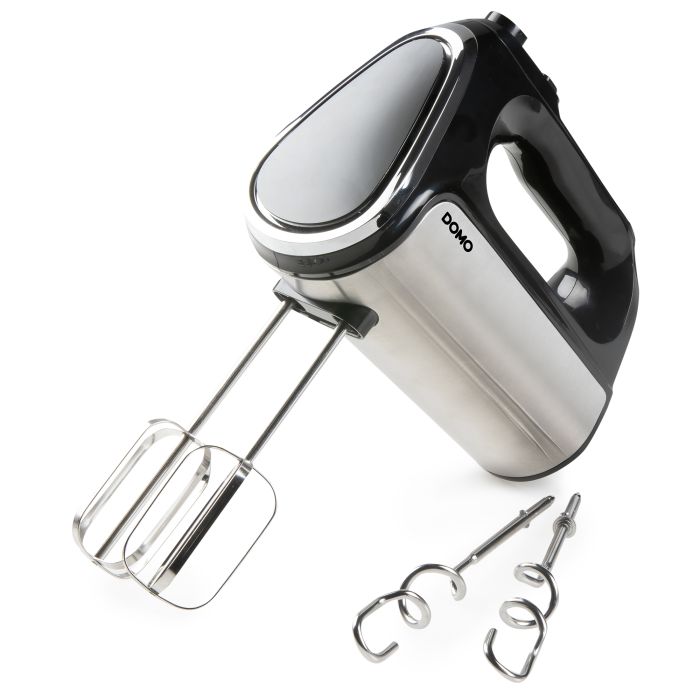
What Is a Good Wattage for a Hand Mixer for Your Needs?
The ideal wattage really comes down to what you plan on making. Your baking habits are the best guide to choosing the right power level. Let’s break it down.
For the Casual Baker: Light and Airy Tasks
If your kitchen adventures mostly involve things like:
- Whipping cream or egg whites
- Mixing instant pudding
- Making thin pancake or crepe batter
- Blending boxed cake mixes
…then you’re in luck! A mixer in the 150-200 watt range will be more than sufficient. These models are typically lighter, more compact, and perfectly capable of handling liquid-heavy, low-resistance tasks with ease. You don’t need a powerhouse for these jobs.
For the All-Around Home Chef: The Versatile Workhorse
This is where most of us live. You might be whipping up a meringue one day and creaming butter and sugar for cookies the next. For tasks like:
- Thick cake and brownie batters
- Creaming cold butter and sugar
- Mashing potatoes
- Mixing standard cookie doughs (chocolate chip, oatmeal)
You should be looking for a mixer in that 200-250 watt sweet spot. This provides the perfect balance of power, control, and durability. A mixer in this range is unlikely to overheat or struggle when the going gets a little tough, making it the most versatile choice for the average home kitchen.
For the Ambitious Baker: Dense and Heavy-Duty Jobs
If you dream of kneading bread dough or you’re known for your incredibly thick, ingredient-packed Christmas cookie dough, you’ll need to step up your power game. For the toughest jobs, such as:
- Kneading small batches of yeast dough with dough hooks
- Mixing very stiff, dense cookie doughs (like gingerbread)
- Working with thick, cold ingredients
A hand mixer with 250 watts or more is a wise investment. These more powerful motors generate better torque, which is the rotational force needed to push through dense mixtures without burning out. Just be aware that these models can be heavier and a bit bulkier.
|
Our Picks for the Best Hand Mixer in 2025
As an Amazon Associate, we earn from qualifying purchases.
|
||
| Num | Product | Action |
|---|---|---|
| 1 | Hand Mixer Electric, 450W Kitchen Mixers with Scale Cup Storage Case, Turbo Boost/Self-Control Speed + 5 Speed + Eject Button + 5 Stainless Steel Accessories, For Easy Whipping Dough,Cream,Cake |

|
| 2 | bella 3.5 Qt Hand & Stand Mixer, 2 in 1 Electric Mixer with Bowl, Dough Hook, Whisk & Egg Beater, Multifunctional Handheld Blender & Mixer for Baking, 200 Watt, Surf |
|
| 3 | Ninja Hand Mixer, Immersion Blender, Foodi Power Mixer System, 750-Peak-Watt Handheld Emulsion Blender & Electric Hand Mixer Combo With Whisk, Beaters & 3-Cup Blending Vessel,120 volts, Black CI101 |
|
| 4 | Hand Mixer Attachments Beater 6Pcs, Whisk, Blending Rod and Dough Hooks, Stainless Steel Hand Mixer Accessories for Kitchenaid Hand Mixers KHM3 KHM5 KHM7 KHM9, Dishwasher Safe |
|
| 5 | KitchenAid 5 Ultra Power Speed Hand Mixer - KHM512, Matte Black |
|
| 6 | Hand Mixer Electric, 400W Food Mixer 5 Speeds Handheld Blender, 5 Stainless Steel Accessories, Storage Box, Kitchen Blender with Cord for Cream, Cookies, Dishwasher Safe, White |
|
| 7 | KitchenAid 9-Speed Digital Hand Mixer with Turbo Beater II Accessories and Pro Whisk - Contour Silver |
|
| 8 | Cuisinart HM-90BCS Power Advantage Plus 9-Speed Handheld Mixer with Storage Case, Brushed Chrome |
|
| 9 | Proctor Silex Easy Mix 5-Speed Electric Hand Mixer with Bowl Rest, Compact and Lightweight, 215 Watts of Peak Power, Storage Case, Black (62512) |
|
| 10 | Hand Mixer Electric Mixing Bowls Set, 5 Speeds Handheld Mixer with 4 Nesting Stainless Steel Mixing Bowl, Measuring Cups Spoons 200W Kitchen Blender Whisk Beater Baking Supplies For Beginner |
|
Here’s a quick reference table:
| Wattage Range | Best For | Common Tasks |
|---|---|---|
| 150-200W | Casual Bakers & Liquid-Based Recipes | Whipping cream, egg whites, thin batters |
| 200-250W | All-Around Home Bakers (The Sweet Spot) | Cake batters, creaming butter, most cookie doughs |
| 250W+ | Ambitious Bakers & Heavy-Duty Tasks | Stiff doughs, kneading, thick mixtures |
Beyond Wattage: Features That Truly Matter
Now that we’ve established what is a good wattage for a hand mixer, let’s talk about the other features that can make or break your baking experience. A high-wattage mixer is useless if it’s poorly designed.
1. Speed Settings (and a Slow Start!)
Look for a mixer with at least 5 speed settings. More importantly, check for a true low speed. A “slow start” feature is a game-changer, preventing a cloud of flour from erupting out of your bowl the second you turn it on. It allows you to gently incorporate dry ingredients before ramping up the speed.
2. Quality Attachments
The beaters are where the magic happens.
- Traditional Beaters: Look for sturdy, stainless steel beaters without the clunky center post. They are easier to clean and more efficient at mixing.
- Whisk Attachment: A single, large balloon whisk is fantastic for aerating egg whites and cream for maximum volume.
- Dough Hooks: If you plan on tackling bread, look for thick, C-shaped or J-shaped dough hooks. Remember, even a powerful hand mixer can only handle small, soft dough batches.
3. Ergonomics and Weight
You’re going to be holding this thing, sometimes for several minutes. Is the handle comfortable? Does it have a non-slip grip? A heavy, unbalanced mixer will cause fatigue quickly. A lighter model is often better, as long as it has enough power for your needs.
4. Corded vs. Cordless
Cordless hand mixers offer incredible convenience but often come with a trade-off in power and run-time. If you’re a serious baker, a reliable corded model is usually the way to go. If you prioritize freedom of movement for quick, light tasks, a cordless model could be a great secondary tool.
Hand Mixer vs. Stand Mixer vs. Whisk
Where does the hand mixer fit in? It’s the versatile middle ground.
- Hand Whisk: Perfect for small, quick jobs like scrambling a few eggs. Requires significant elbow grease for anything more.
- Hand Mixer: The ultimate tool for convenience and versatility. Excellent for most daily and weekly baking projects. It’s easy to store, quick to clean, and lets you control the position in the bowl.
- Stand Mixer: The undisputed champion of power. If you regularly make large batches, knead bread, or work with very stiff doughs, a stand mixer is a worthy investment. Its high wattage (often 325W+) and planetary mixing action are in a different league.
A hand mixer is not a direct replacement for a stand mixer, but a high-quality one can handle about 80% of what the average home baker needs to do.
How to Care for Your Hand Mixer
To get the most out of your appliance, proper care is key.
- Always Unplug Before Cleaning: Safety first!
- Eject and Wash Attachments: Most stainless steel attachments are dishwasher-safe (top rack). Wash them immediately after use to prevent batter from hardening.
- Wipe the Body: Use a damp cloth to wipe down the main body of the mixer. Never submerge it in water.
- Clear the Vents: Make sure the motor’s air vents are free of flour and dust. A small, dry brush can help.
- Store Properly: Wrap the cord loosely and store the mixer and its attachments together in a drawer or its original box.
Frequently Asked Questions (FAQ)
Q: Can a 300-watt hand mixer replace my stand mixer?
A: Not entirely. While a 300-watt hand mixer is very powerful and can handle thick cookie doughs and small batches of soft bread dough, it lacks the stability, capacity, and hands-free operation of a stand mixer for large or very dense recipes.
Q: What happens if the wattage is too low for my recipe?
A: Using an underpowered mixer for a thick dough can cause the motor to strain and overheat. You might hear it struggling, smell a faint burning odor, or it could shut off entirely. This can permanently damage the motor.
Q: Are cordless hand mixers powerful enough?
A: Cordless technology has improved, but they generally have less sustained power than their corded counterparts. They are fantastic for quick tasks like whipping cream or making frosting, but may struggle with a full batch of cookie dough before needing a recharge.
Q: Does the motor type, like AC or DC, matter?
A: Yes, it can. DC (Direct Current) motors are often quieter, more energy-efficient, and can provide more torque at lower speeds compared to traditional AC (Alternating Current) motors. Premium hand mixers often feature DC motors for better performance and control.
Q: Is there a big difference between 220 watts and 250 watts?
A: The on-paper difference is minimal. The real difference will come from the motor’s quality and the mixer’s overall design. Don’t get too hung up on a 20-30 watt difference; focus more on the brand’s reputation, user reviews, and features like a slow start.
The Final Whisk
So, what is a good wattage for a hand mixer? For the vast majority of home bakers, a model between 200 and 250 watts is the perfect all-rounder. It strikes the ideal balance between power for tough jobs and control for delicate ones. Remember to look beyond that single number and consider the features that will make your time in the kitchen more joyful and efficient—like variable speeds, quality attachments, and a comfortable grip. A great hand mixer is a trusted partner in your culinary creations, and choosing the right one is the first ingredient in any successful recipe.