Let’s be honest, we’ve all been there. You dream of a bowl of creamy, fluffy, buttery mashed potatoes—the kind that melts in your mouth. But reality hits, and you’re left with a sticky, gummy, or lumpy mess. It’s a culinary tragedy! If you’re wondering What Speed For Mashed Potatoes is the secret key to success, you’ve come to the right place. As your dedicated hand mixer expert, I’m here to tell you that the magic isn’t just in the potatoes or the butter; it’s in the technique, and your trusty hand mixer is the star of the show.
Why the Right Mixer Speed is a Game-Changer
Before we dive into the numbers, let’s talk science for a second. It’s not as boring as it sounds, I promise! Potatoes are packed with starch. When you cook them, these starch cells swell up. The goal is to break the cooked potatoes apart without rupturing too many of those cells.
Think of each starch cell as a tiny water balloon. If you mash them gently, they stay mostly intact, giving you a fluffy texture. But if you go at them with too much force—like using a high mixer speed—you burst those balloons. This releases a ton of sticky starch, which acts like glue. And that, my friend, is how you get potato paste instead of perfection.
“The biggest mistake home cooks make with mashed potatoes is over-mixing. The golden rule is to be gentle. Your hand mixer is a tool for fluffing, not for obliterating. Start low and go slow.”
— Chef Isabelle Dubois, Pastry and Culinary Arts Expert
The Perfect Speed for Mashed Potatoes: A Step-by-Step Guide
So, what’s the magic number? The truth is, there isn’t just one. It’s a process. Following these steps will give you foolproof, dreamy mashed potatoes every single time.
- Start on the Lowest Speed (Speed 1-2): After you’ve boiled and drained your potatoes, put them back in the hot pot to steam dry for a minute. Then, add your softened butter and any other fats. Start your hand mixer on the absolute lowest setting. The goal here is simply to break up the large chunks of potato and incorporate the butter. This initial, gentle pass is crucial for preventing starch release. Mix for just 30-45 seconds.
- Add Your Liquids: Now, pour in your warm milk or cream. Having your liquids warm is key—cold liquids will cool down the potatoes and prevent them from absorbing evenly, which can lead to lumps.
- Increase to Medium Speed (Speed 3-4): This is where the fluff happens. With the liquid added, increase the speed to medium-low or medium. This speed is powerful enough to whip air into the potatoes, making them light and creamy, but not so aggressive that it will turn them into glue. Mix for about 1-2 minutes, or until the potatoes reach your desired consistency. Don’t go crazy here; stop as soon as they look smooth.
- Avoid High Speed at All Costs: I cannot stress this enough. Unless your hand mixer’s “high” is another brand’s “medium,” you should almost never use the highest settings for mashed potatoes. This is the fast track to a gummy disaster. Reserve those high speeds for whipping cream or egg whites.
What are the Best Hand Mixer Features for Mashed Potatoes?
While the technique is king, having the right tool helps. When looking for a hand mixer with mashed potatoes in mind, consider these features:
- Slow Start Function: This feature is a lifesaver. It gradually increases the speed to your desired setting, preventing potatoes (and flour, for that matter) from flying all over your kitchen.
- Multiple Speed Settings: Look for a mixer with at least 5 speeds. This gives you the precise control needed to start low and gradually increase the power.
- Good Power (Wattage): A motor between 250-350 watts is plenty for mashed potatoes. It’s strong enough to handle the dense, cooked potatoes without straining.
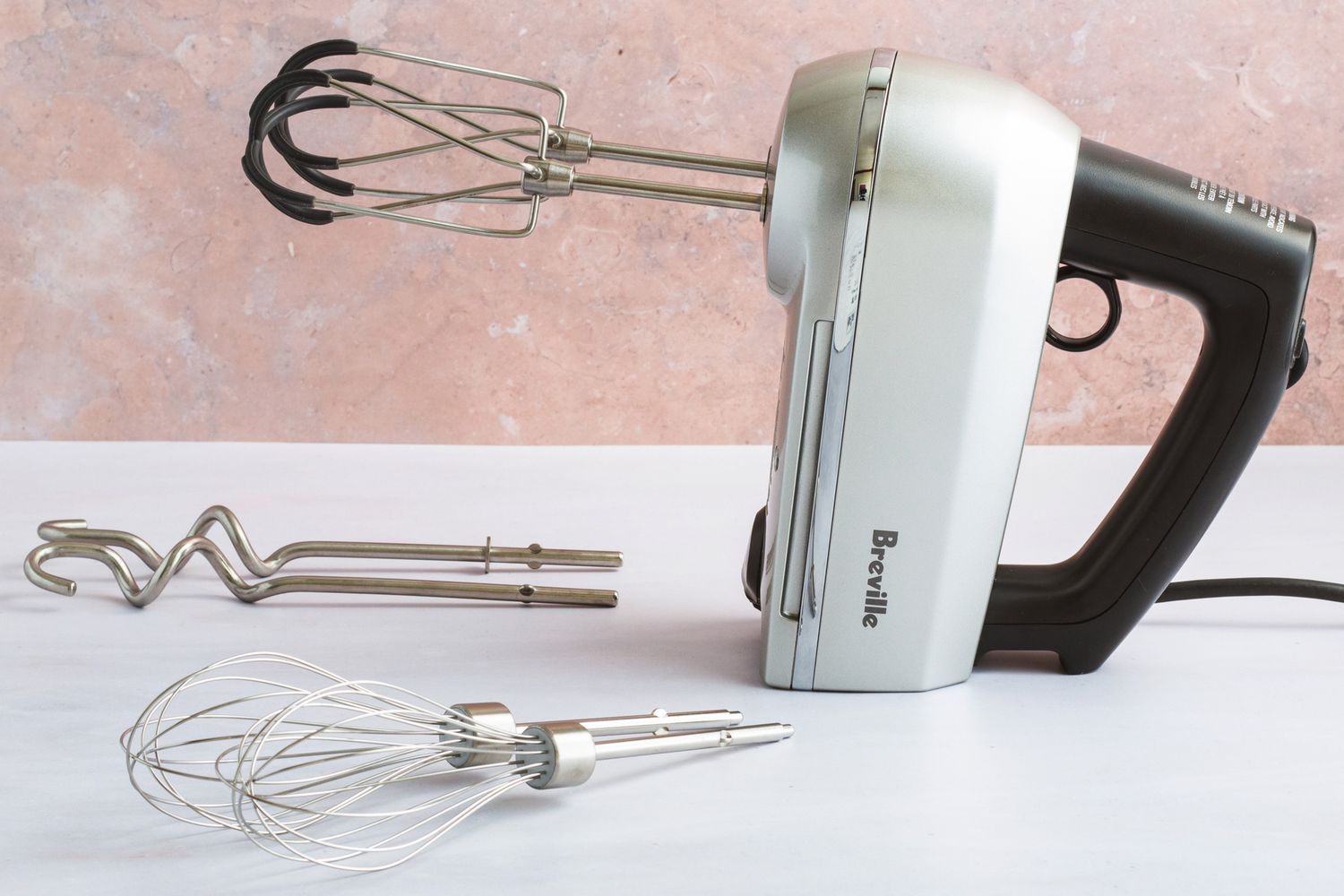
- Standard Beaters: The classic wire beaters are perfect for this job. You don’t need whisks or dough hooks here; the beaters are designed to both mash and incorporate air.
Looking for a comprehensive breakdown of the best models on the market? Check out our ultimate guide.
|
Our Picks for the Best Hand Mixer in 2025
As an Amazon Associate, we earn from qualifying purchases.
|
||
| Num | Product | Action |
|---|---|---|
| 1 | Hand Mixer Electric, 450W Kitchen Mixers with Scale Cup Storage Case, Turbo Boost/Self-Control Speed + 5 Speed + Eject Button + 5 Stainless Steel Accessories, For Easy Whipping Dough,Cream,Cake |

|
| 2 | Hand Mixer Attachments Beater 6Pcs, Whisk, Blending Rod and Dough Hooks, Stainless Steel Hand Mixer Accessories for Kitchenaid Hand Mixers KHM3 KHM5 KHM7 KHM9, Dishwasher Safe |
|
| 3 | Hand Mixer Electric Mixing Bowls Set, 5 Speeds Handheld Mixer with 4 Nesting Stainless Steel Mixing Bowl, Measuring Cups Spoons 200W Kitchen Blender Whisk Beater Baking Supplies For Beginner |
|
| 4 | Proctor Silex Easy Mix 5-Speed Electric Hand Mixer with Bowl Rest, Compact and Lightweight, 215 Watts of Peak Power, Storage Case, Black (62512) |
|
| 5 | bella 3.5 Qt Hand & Stand Mixer, 2 in 1 Electric Mixer with Bowl, Dough Hook, Whisk & Egg Beater, Multifunctional Handheld Blender & Mixer for Baking, 200 Watt, Surf |
|
| 6 | KitchenAid 9-Speed Digital Hand Mixer with Turbo Beater II Accessories and Pro Whisk - Contour Silver |
|
| 7 | Cuisinart HM-90BCS Power Advantage Plus 9-Speed Handheld Mixer with Storage Case, Brushed Chrome |
|
| 8 | KitchenAid 5 Ultra Power Speed Hand Mixer - KHM512, Matte Black |
|
| 9 | Ninja Hand Mixer, Immersion Blender, Foodi Power Mixer System, 750-Peak-Watt Handheld Emulsion Blender & Electric Hand Mixer Combo With Whisk, Beaters & 3-Cup Blending Vessel,120 volts, Black CI101 |
|
| 10 | Hand Mixer Electric, 400W Food Mixer 5 Speeds Handheld Blender, 5 Stainless Steel Accessories, Storage Box, Kitchen Blender with Cord for Cream, Cookies, Dishwasher Safe, White |
|
Hand Mixer vs. The Alternatives: Which is Best for Mashing?
You have a few tools at your disposal for making mashed potatoes. How does the hand mixer stack up?
- Hand Mixer:
- Pros: Fast, efficient, and great at creating a very smooth and fluffy texture. Less arm work than manual mashing.
- Cons: High risk of over-mixing if you’re not careful with the speed.
- Potato Masher (Manual):
- Pros: Gives you full control, making it nearly impossible to over-mix. Creates a more rustic, slightly lumpy texture that many people love.
- Cons: Requires significant elbow grease, especially for a large batch.
- Potato Ricer:
- Pros: The holy grail for perfectly smooth, lump-free potatoes. It forces the potato through tiny holes, creating fine, rice-like strands that result in an incredibly light texture.
- Cons: Can be cumbersome to use and clean. It’s another single-purpose gadget in your kitchen.
- Stand Mixer:
- Pros: Hands-free operation, great for very large quantities.
- Cons: Very easy to over-mix. The sheer power can turn potatoes gummy in seconds. Use the paddle attachment on low speed only.
- Food Processor or Blender:
- Pros: None. Absolutely none.
- Cons: The fast, sharp blades are designed to obliterate, not mash. Using one of these is a guaranteed one-way ticket to potato glue. Just don’t do it.
For a balance of convenience and excellent, fluffy results, the hand mixer is an outstanding choice, as long as you respect the speed settings.
Pro Tips for the Best Mashed Potatoes of Your Life
Your technique with the mixer is crucial, but great mashed potatoes start long before you plug it in.
- Choose the Right Potato: Use a high-starch potato like a Russet or Idaho. They fall apart easily when cooked and mash up light and fluffy. Waxy potatoes like Red Bliss will require more work and can become gummy.
- Start with Cold, Salted Water: Place your peeled and chunked potatoes in a pot, cover them with cold water, and then add a generous amount of salt. Starting them in cold water ensures they cook evenly.
- Don’t Overcook: Boil them until they are fork-tender but not falling apart into mush.
- Dry Them Out: This is a step many people skip! After draining, return the potatoes to the hot pot on the stove for a minute to cook off any excess moisture. Drier potatoes absorb the butter and cream better.
Frequently Asked Questions (FAQ)
Q: How long should I mix mashed potatoes with a hand mixer?
A: Be quick! Aim for a total mixing time of no more than 2-3 minutes. Start with 30-45 seconds on low to break them up, then 1-2 minutes on medium to make them creamy. The longer you mix, the gummier they get.
Q: Can I use a hand mixer for any type of potato?
A: You can, but for the best results, stick to starchy potatoes like Russets. If you use waxy potatoes, be extra careful with your mixing time and speed, as they are more prone to becoming gluey.
Q: What attachment is best for mashed potatoes?
A: Your standard twin beaters are the perfect attachment. They are designed to effectively break up the potatoes while whipping in air for that desirable fluffy texture. Dough hooks are too slow, and a balloon whisk isn’t sturdy enough.
Q: My mashed potatoes are already gluey. Is there any way to fix them?
A: Unfortunately, you can’t truly reverse the process once the starch has been overworked. The best rescue mission is to change the dish. You can spread the gummy potatoes in a casserole dish, top with cheese, bacon, and chives, and bake it into a potato casserole. Baking helps to dry them out a bit.
Q: Is it better to add butter before or after mixing?
A: Add your butter before you start mixing. The fat in the butter coats the potato starches, which helps to protect them from over-processing and creates a richer, more velvety final product.
The Final Word on Potato Perfection
Mastering your hand mixer is the key to unlocking the mashed potatoes you’ve always wanted. The secret isn’t complicated: it’s about respecting the potato and its starch. By remembering the simple mantra—start low, add liquids, then mix on medium—you can confidently answer the question of what speed for mashed potatoes every single time. So go ahead, grab your mixer, and get ready to serve up a bowl of fluffy, creamy perfection that will have everyone asking for your secret.