Picture this: you’re in your happy place, the kitchen. The scent of vanilla is in the air, you’ve got your ingredients perfectly measured, and you’re ready to whip up some fluffy buttercream or perfect cookie dough. You grab your trusty hand mixer, flick the switch, and… WHIIIRRRRR! The dream is shattered by a noise that sounds less like a helpful kitchen appliance and more like a small aircraft preparing for takeoff. If you’ve ever found yourself wincing and wondering, Why Is My Hand Mixer So Loud, you’re in the right place.
As a kitchen gadget fanatic who has tested, taken apart, and tinkered with more hand mixers than I can count, I can tell you that a deafening roar isn’t something you just have to live with. Often, that racket is your mixer’s way of telling you something is wrong. Let’s dive in, diagnose the noise, and bring some peace and quiet back to your baking sessions.
So, What’s Making All That Racket? Let’s Diagnose the Noise
Before you toss your mixer in the bin, let’s play detective. The source of the sound can usually be traced back to one of a few common culprits, ranging from simple user error to signs of old age.
Are the Beaters Hitting the Bowl?
This is, without a doubt, the number one cause of sudden, loud clanging noises. It sounds obvious, but in the heat of a baking project, it’s easy to lose track of the beaters’ position.
As a professional baker, Clara Evans, once told me, “The bowl is your mixing vessel, not a percussion instrument. If your beaters are clanging against the side, you’re not just making a racket; you’re potentially chipping your bowl and damaging your beaters.”
This often happens when you’re trying to scrape the sides of the bowl while the mixer is still running at high speed. The metal-on-glass or metal-on-ceramic contact creates a surprisingly loud and jarring sound.
Could You Have Loose or Damaged Beaters?
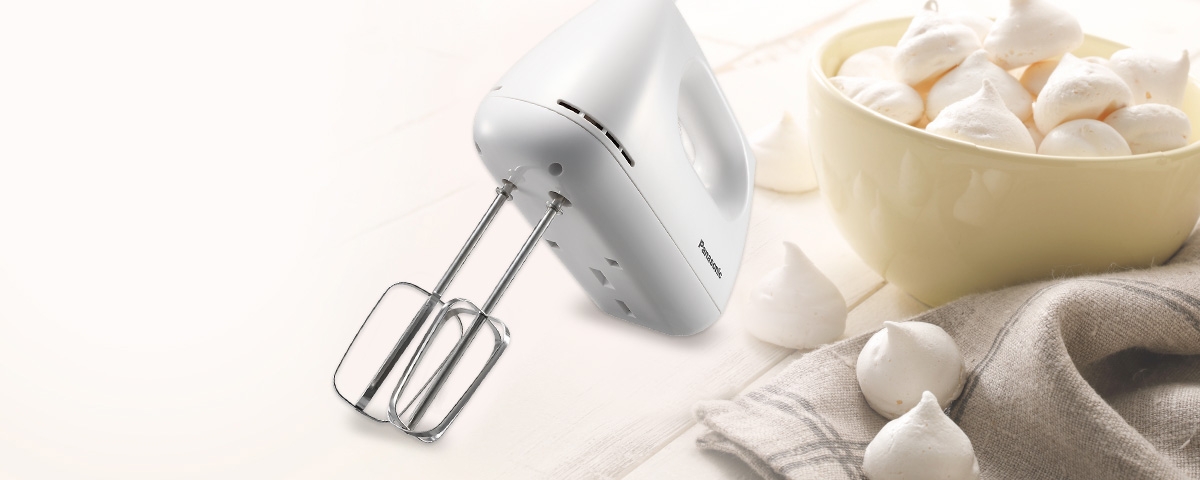
Take a moment to inspect the beaters themselves. Are they securely clicked into place? If one is slightly loose, it will wobble and vibrate excessively at high speeds, creating a clattering noise inside the mixer’s housing and against the other beater.
Also, check their shape. If a beater has been dropped or bent, even slightly, its rotation will be off-balance. This imbalance forces the motor to work harder and can cause the beaters to knock against each other, leading to that annoying clatter.
The Unseen Enemy: Food Buildup
A little bit of dried-on dough might not seem like a big deal, but it can throw the whole system out of whack. Hardened bits of flour, sugar, or butter can accumulate in two key places:
- On the Beaters: This creates an imbalance, similar to a bent beater, causing vibration and noise.
- In the Sockets: If gunk gets inside the holes where you insert the beaters, it can prevent them from seating properly, leading to a wobbly, noisy fit.
Is the Motor Working Overtime?
A hand mixer motor is designed for power, but it has its limits. If you’re mixing a very thick, heavy dough—like a dense gingerbread or a stiff cookie dough—on a high setting, the motor is under immense strain. That high-pitched whining sound is the motor screaming for a break. It’s working at its absolute maximum capacity to churn through the resistance, which generates a lot of noise and heat. Pushing it too hard for too long can lead to premature burnout.
Normal Wear and Tear: The Aging Warrior
Like any machine with moving parts, a hand mixer wears down over time. Inside that plastic casing are gears, bearings, and motor brushes that all degrade with use.
- Worn Gears: The gears that transfer power from the motor to the beaters can become stripped or worn, causing a grinding or clicking sound as they slip.
- Dry Bearings: The lubricant in the motor’s bearings can dry out over the years, leading to a high-pitched squeal or metallic screeching.
If your mixer has served you faithfully for a decade, a little extra operational noise is to be expected.
It Might Just Be a Loud Model
Let’s be honest: not all hand mixers are created equal. In the quest for lower prices, some manufacturers use less expensive motors (often AC motors instead of quieter DC motors) and less sound-dampening insulation. Budget-friendly models are often lightweight and have more plastic components, which can vibrate and rattle more than their heavier, more robust counterparts. The problem might not be that your mixer is broken, but simply that why your hand mixer is so loud is baked into its design.
How Can I Make My Hand Mixer Quieter? Your Action Plan
Okay, we’ve identified the suspects. Now, let’s find the solution. Here is a simple checklist to work through to silence that noisy appliance.
- Check Your Technique: The next time you use your mixer, be mindful. Keep the beaters in the center of the bowl as much as possible. If you need to scrape the sides, stop the mixer first, use a spatula, and then resume. This is the quickest fix for clanging.
- Inspect and Secure the Beaters: Before each use, give the beaters a little wiggle after you’ve inserted them. They should feel snug and secure. If they’re loose, there might be an issue with the release mechanism or the beaters themselves.
- Perform a Deep Clean: Remove the beaters and wash them thoroughly. Pay special attention to the shafts. Then, with the mixer unplugged, use a toothpick or a small brush (like a clean mascara wand or a bottle brush) to gently clean out any gunk from the beater sockets.
- Listen to Your Motor (and Your Dough): Don’t start mixing a thick dough on the highest speed. Begin on a low speed to incorporate the ingredients, then gradually increase. If you hear the motor starting to whine and strain, give it a 30-second rest. For very heavy doughs, you might need to finish by hand with a wooden spoon to avoid burning out the motor.
- Know When to Say Goodbye: If you’ve tried everything and the mixer is still making grinding, screeching, or rattling noises from within the housing, it’s likely an internal mechanical failure. For most hand mixers, the cost of a professional repair would be more than the price of a new one.
A Quiet Kitchen is a Happy Kitchen: Proactive Mixer Care
The best way to deal with a noisy mixer is to prevent the noise in the first place. A little TLC goes a long way.
- Clean After Every Use: Don’t let batter dry on the beaters or the body. Wipe down the mixer body with a damp cloth and wash the attachments immediately.
- Store Properly: Don’t just toss the beaters in a drawer where they can get bent. Many mixers come with a storage case for a reason. Keeping the parts together prevents damage.
- Use the Right Tool for the Job: A hand mixer is a versatile workhorse, but it’s not a stand mixer. For double batches of bread dough or extra-large batches of stiff cookie dough, using a hand mixer is asking for trouble—and a lot of noise.
Is It Time for a New, Quieter Hand Mixer?
If your troubleshooting has revealed that your mixer is simply old or a budget model, an upgrade could be a fantastic investment in your baking sanity. When you’re shopping, the question isn’t just “which mixer is best?” but “which mixer is quietest?”
What to Look for in a Quiet Hand Mixer
- DC Motor: Look for models that specify a DC (Direct Current) motor. They are renowned for being significantly quieter, more energy-efficient, and often more powerful at lower speeds than traditional AC motors.
- Slow-Start Feature: This feature is a game-changer. The mixer starts at a very low speed before ramping up to your selected setting. This prevents ingredients from flying everywhere and avoids that sudden, jarring blast of noise.
- Solid Build Quality: In general, a slightly heavier mixer with a solid feel and fewer rattling parts will be better insulated against motor noise and vibration.
- Reputable Brands: Brands known for quality engineering often invest more in sound dampening and motor technology. A quick search for reviews mentioning “quiet operation” can be incredibly revealing.
[internal link to our ultimate hand mixer buying guide]
Frequently Asked Questions (FAQ)
Q1: Why is my brand new hand mixer so loud?
A brand new hand mixer shouldn’t be excessively loud with grinding or clanking noises. However, some models are naturally louder due to their motor type (AC vs. DC) and construction. If it sounds truly abnormal, contact the manufacturer, as it could be a defect.
Q2: Can a loud hand mixer be dangerous?
If the noise is from internal grinding or a rattling motor, it could be a sign of imminent failure, which could potentially be a safety risk if parts break during operation. If the noise is simply the beaters hitting the bowl, it’s not dangerous, just loud.
Q3: What’s the difference in noise between a hand mixer and a stand mixer?
Generally, stand mixers are quieter for their power. Their heavy, stable base absorbs much of the vibration, and their larger motors are often better insulated. A high-quality hand mixer can be very quiet, but on average, stand mixers have the edge.
Q4: How much should I spend to get a quiet hand mixer?
You don’t have to break the bank, but you’ll likely find quieter models in the mid-to-high price range (typically $50 and up). This is where features like DC motors and better build quality become more common.
Q5: Is it worth trying to repair a loud hand mixer?
For most models, no. Hand mixers are not typically designed for easy user repair. The labor cost for a professional to open it up and replace internal parts would almost certainly exceed the cost of a brand new, and likely better, model.
Your Path to Peaceful Mixing
A hand mixer is a gateway to so many culinary joys, from birthday cakes to holiday cookies. That experience shouldn’t be spoiled by a sound that sets your teeth on edge. By understanding why your hand mixer is so loud, you can take simple steps to fix the issue or make an informed decision about upgrading. A quiet, efficient mixer isn’t a luxury; it’s a tool that makes the entire creative process of baking more enjoyable from start to finish.