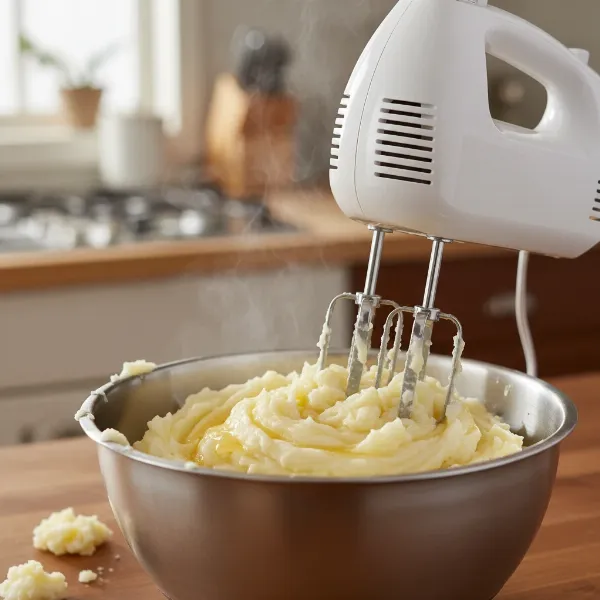
The whirring sound of a hand mixer should be a symphony of efficiency, a reliable partner in your kitchen endeavors. But what happens when that harmony is broken? When one beater lags, struggling to keep pace while its counterpart spins merrily along? This common and incredibly frustrating issue can turn baking from a joy into a chore, leading to unevenly mixed batters, lumpy creams, and general kitchen exasperation. As an Admin of handmixerguide.com and a technician with over a decade of hands-on experience, I’ve seen countless mixers succumb to this ailment. Understanding why it happens and how to fix it can save you time, money, and your sanity.
What is a Hand Mixer and Why You Need One?
A hand mixer is a quintessential kitchen appliance, designed to blend, whisk, and beat ingredients with ease. Unlike its larger stand mixer cousin, a hand mixer offers unparalleled portability and convenience, making it ideal for smaller tasks or kitchens with limited counter space. From whipping cream to fluffy peaks, incorporating dry ingredients into wet batters, or even mashing potatoes, a good hand mixer reduces manual effort and delivers consistent results, saving your arm from endless stirring. It’s a versatile tool that bridges the gap between manual mixing and heavy-duty stand mixers, offering the perfect balance for everyday baking and cooking.
Understanding the Problem: Why One Beater Slows Down
When one hand mixer beater spins slower than the other, it’s a clear sign that something is hindering the power transfer from the motor to that specific beater. This isn’t just an inconvenience; it can significantly impact the quality of your finished product. The underlying causes usually fall into a few key categories: mechanical wear and tear, accumulated debris, or operational strain.
Mechanical Culprits
At the heart of every hand mixer is a gear system that translates the motor’s rotation into the spinning motion of the beaters. If these gears are compromised, uneven speed is almost inevitable.
- Stripped or Worn Gears: This is arguably the most common culprit. Over time, especially with frequent use on thick batters, the interlocking teeth of the gears can wear down, chip, or even break off. When a gear is stripped, it can no longer effectively grip the shaft connecting to the beater, causing it to slip or spin inconsistently. You might hear a grinding or clicking sound when this happens, even if the motor sounds normal.
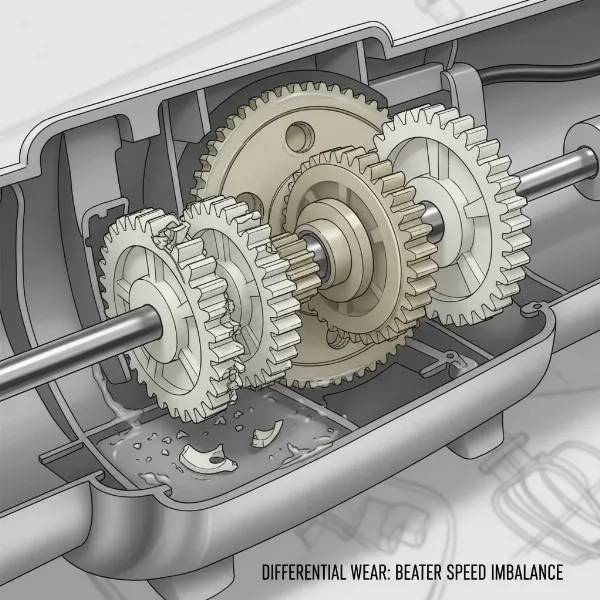 Close-up of hand mixer internal gears, showing visible wear and stripped teeth causing slow beater.
- Bent Beater Shafts: A beater might become slightly bent due to accidental drops or improper storage. Even a subtle bend can create friction or misalignment within the housing, making it difficult for the beater to rotate freely at full speed.
- Loose or Misaligned Beater Slots: The slots where the beaters insert can become loose or develop internal wear. If a beater isn’t seated perfectly or wobbles slightly, it won’t engage correctly with the internal drive mechanism, leading to reduced speed.
|
Our Picks for the Best Hand mixer in 2026
As an Amazon Associate I earn from qualifying purchases.
|
||
| Num | Product | Action |
|---|---|---|
| 1 | KitchenAid 5 Ultra Power Speed Hand Mixer - KHM512, Aqua Sky |

|
| 2 | Maestri House Rechargeable Milk Frother with Stand, LunaFro Handheld Electric Foam Maker Waterproof Detachable Stainless Steel Whisk Drink Mixer Foamer for Lattes, Cappuccino |
|
| 3 | OVENTE 5-Speed Corded Electric Hand Mixer with Stainless Steel Whisks, Compact Portable Design with Snap-On Storage Case,150W Lightweight Handheld Mixer for Baking & Cooking, White HM151W |
|
| 4 | KitchenAid 5-Speed Ultra Power Hand Mixer - KHM512, Contour Silver |
|
| 5 | OVENTE 5-Speed Corded Electric Hand Mixer with Stainless Steel Whisks, Compact Portable Design with Snap-On Storage Case,150W Lightweight Handheld Mixer for Baking & Cooking, Black HM151B |
|
| 6 | OVENTE 5-Speed Electric Hand Mixer with Stainless Steel Mixing Whisk, Snap-On Storage Case, Portable & Lightweight 150W Motor, Compact Handheld Mixer for Baking, Blending or Cooking, Red HM151R |
|
| 7 | Hamilton Beach 6-Speed Electric Hand Mixer with Whisk, Traditional Beaters, Snap-On Storage Case, 250 Watts, White |
|
| 8 | Wellness Extract Multi-Speed Rechargeable Electric Milk Frother, Li-ion Battery Powered – Certified Safe, Ideal for Coffee, Matcha, Protein & Colostrum |
|
| 9 | 600W Electric Hand Mixer Kitchen Handheld Mixer 10 Speed Powerful with Turbo for Baking Cake Lightweight & Personal Electric Mixer with Egg Baking Beaters Dough Hooks, Whipping Mixing Cookies |
|
| 10 | KitchenAid 5-Speed Ultra Power Hand Mixer |
|
Accumulation and Obstruction
Sometimes, the problem isn’t internal damage but simply a blockage.
- Food Buildup and Debris: Old batter, flour, or other food particles can accumulate around the beater shafts where they enter the mixer, or even inside the beater slots themselves. This hardened residue acts as a brake, creating resistance that slows down one beater.
- Dirty Motor or Gearbox: While less common for uneven speeds, excessive dirt or rust within the motor housing or gearbox can impede the smooth operation of internal components, leading to overall reduced efficiency and potentially uneven power distribution.
Operational Strain
How you use your hand mixer can also contribute to this problem.
- Overworking the Mixer: Consistently mixing excessively thick doughs, large batches, or using the mixer for prolonged periods can strain the motor and, more critically, the gears. This constant stress accelerates wear and tear, making gears more susceptible to stripping or breaking. Hand mixers are generally designed for lighter to medium tasks; heavier loads are often best left to stand mixers.
Factors to Consider When Troubleshooting Your Hand Mixer
Before diving into repairs, a systematic approach to diagnosis will help you pinpoint the exact issue.
- Beater Condition & Insertion: Begin by visually inspecting both beaters. Are they perfectly straight? Do they look symmetrical? Ensure they are fully inserted and locked into their respective slots. A common mistake is not pushing the beater in far enough, preventing proper engagement.
- Cleanliness: Take a close look at the beater shafts and the mixer’s housing where the beaters connect. Is there any dried batter, flour, or other residue? Even a small amount can cause significant drag.
- Motor & Gearbox Health: Plug in the mixer without the beaters inserted and turn it on. Does the motor sound normal and consistent? Listen for any unusual grinding, clicking, or whining noises. This can often indicate gear issues or motor strain.
- Usage Habits: Reflect on your typical use. Do you frequently mix heavy bread doughs or large batches of cookie batter? Are you allowing the mixer to cool down between strenuous tasks? Understanding your usage can shed light on potential stress points.
Step-by-Step Guide: How to Fix a Slow-Spinning Hand Mixer Beater
Addressing a slow-spinning beater often involves a combination of cleaning, inspection, and sometimes, component replacement. Always unplug your mixer before performing any physical checks or cleaning.
Step 1: Initial Inspection and Thorough Cleaning
- Unplug the Mixer: Safety first! Ensure the mixer is disconnected from the power source.
- Remove Beaters: Take out both beaters. Inspect them for any visible damage, such as bends or cracks. If one beater looks compromised, try replacing it with a new, identical beater to see if that resolves the issue.
- Clean Beater Shafts and Mixer Openings: Using a small brush (like an old toothbrush) and a damp cloth, meticulously clean the shafts of the beaters and, more importantly, the openings on the mixer where they insert. Pay close attention to any dried-on food particles or sticky residue that might be obstructing rotation.
- Inspect Beater Engagement: Look inside the beater slots. While difficult to see clearly, try to identify if any internal plastic or metal components appear blocked or bent.
Step 2: Test Without Load
After cleaning and ensuring beaters are properly inserted (or testing with new ones), plug in the mixer and run it at various speeds without any ingredients.
- Observe Rotation: Do both beaters spin at the same speed now? If yes, the problem was likely external obstruction or improper beater seating.
- Listen for Sounds: If the problem persists, listen carefully. A consistent grinding or clicking sound emanating from inside the mixer is a strong indicator of damaged gears.
Step 3: Listen for Gear Issues
If one beater is still slow when running empty, and you hear grinding, it points strongly to internal gear damage.
- Identify the Sound: The grinding sound usually corresponds to the internal gears struggling to mesh properly. This is different from a general motor hum.
Step 4: Inspect Internal Gears (DIY with Caution)
Disclaimer: Opening your hand mixer will likely void its warranty and should only be attempted if you are comfortable with basic tool use and electrical components. If in doubt, consult a professional.
- Unplug the Mixer: This cannot be stressed enough.
- Access the Casing: Most hand mixers have screws (often Phillips head or Torx) on the casing. Carefully unscrew these and gently separate the two halves of the mixer’s body. Note how components are arranged before removing anything.
- Locate the Gearbox: Inside, you’ll find the motor connected to a gearbox. This gearbox houses the gears that drive the beater shafts.
- Inspect Gears: Look for visible signs of damage:
- Stripped Teeth: Gears missing teeth or having visibly worn-down edges.
- Cracked Gears: Plastic gears, in particular, can crack under stress.
Misalignment: Though less common, a gear might be dislodged from its proper position.
- Clean and Lubricate (Optional, with caution): If you find minor dirt, carefully clean it. Some gears may benefit from a small amount of food-grade grease, but be cautious not to over-lubricate or use non-food-safe lubricants, as these can attract more dirt or contaminate food.
- Replace Damaged Gears: If you find stripped or cracked gears, they will need to be replaced. You might be able to find replacement gear kits online for your specific mixer model. This often involves carefully prying off or unscrewing the old gears and installing new ones, ensuring they are correctly aligned.
- Reassemble: Once repairs are made, carefully reassemble the mixer, ensuring all wires are tucked away safely and screws are tightened securely.
Step 5: When to Seek Professional Help or Replace
If you’re uncomfortable opening the mixer, cannot identify the problem, or if gear replacement seems too complex, it’s time to consider professional repair or a new appliance. Many local appliance repair shops can service hand mixers. Sometimes, the cost of repair, especially for older or less expensive models, might exceed the cost of purchasing a new hand mixer.
“A hand mixer is a workhorse, but even the strongest workhorse needs a break and proper care. Ignoring a slow beater can lead to complete breakdown and unnecessary frustration.” – Chef Elena Rodriguez, Culinary Instructor & Appliance Expert
Preventative Measures to Extend Your Hand Mixer’s Life
Prevention is always better than cure. By adopting good habits, you can significantly prolong the life of your hand mixer and prevent uneven beater speeds.
- Regular Cleaning: After every use, remove the beaters and thoroughly clean them and the mixer’s insertion points. A quick wipe-down prevents food buildup from hardening.
- Avoid Overloading: Respect your mixer’s limits. For very thick cookie doughs, stiff bread doughs, or large double batches, consider using a stand mixer or incorporating ingredients by hand. If your hand mixer struggles, don’t force it.
- Use Appropriate Speeds: Start with lower speeds for dry ingredients to prevent flour clouds, and gradually increase as needed. Don’t immediately jump to the highest speed for heavy mixtures, as this can shock the gears.
- Store Properly: Store your hand mixer and its attachments in a dry, clean place. Avoid tossing beaters into a drawer where they might get bent.
- Read the Manual: Your mixer’s instruction manual contains valuable information on its capacity, recommended uses, and cleaning guidelines specific to your model.
Buying Guide: What to Look for in a New Hand Mixer
If you find yourself needing a replacement, choosing the right hand mixer can help prevent future issues.
- Power (Wattage): Higher wattage generally indicates a more powerful motor, better suited for tougher tasks. Look for models with at least 250-300 watts for versatility.
- Speed Settings & Turbo Function: More speed options offer greater control, while a “turbo” button can provide a quick burst of power when needed.
- Build Quality: Look for models with sturdy construction. While plastic gears are common, some higher-end models feature metal gears for enhanced durability. Read reviews about gear durability.
- Ergonomics: A comfortable grip and balanced design make the mixer easier to handle during prolonged use.
- Attachments: Ensure it comes with durable beaters and whisks. Some models include dough hooks or frothing attachments.
- Brand Reputation & Warranty: Opt for reputable brands known for their quality and customer service. A good warranty offers peace of mind.
Conclusion
A hand mixer with one beater spinning slower than the other is a common problem, but one that is often solvable. By systematically checking for external obstructions, listening for tell-tale grinding sounds, and understanding the role of internal gears, you can often diagnose and fix the issue yourself. Remember the importance of regular cleaning and mindful usage to extend the life of your appliance. If the problem persists or requires more complex internal repairs, don’t hesitate to seek professional help or consider investing in a new, more robust model that fits your culinary needs. A well-functioning hand mixer is a joyful addition to any kitchen, ensuring your baking endeavors are always smooth and delightful.
What’s the most challenging mixture you’ve ever put your hand mixer through?
FAQ
How can I tell if my hand mixer’s gears are stripped?
You can usually tell if your hand mixer’s gears are stripped by listening for unusual grinding, clicking, or rattling noises when the mixer is running, especially if the beaters are spinning slowly or not at all despite the motor sounding active. You might also notice a loss of power or inconsistent beater rotation.
Can I replace the gears in my hand mixer myself?
Replacing gears in a hand mixer is possible for those comfortable with basic DIY repairs and disassembling small appliances. It typically involves opening the mixer casing, identifying the damaged gears, and installing new ones. However, this may void your warranty, and it’s essential to use appropriate replacement parts for your specific model.
Is it worth fixing a hand mixer, or should I just buy a new one?
The decision to fix or replace depends on the mixer’s age, original cost, the extent of the damage, and the cost of repair parts. For inexpensive or older models with significant internal damage, buying a new mixer might be more cost-effective. For higher-end or newer mixers, a repair, especially a simple gear replacement, can be a worthwhile investment.