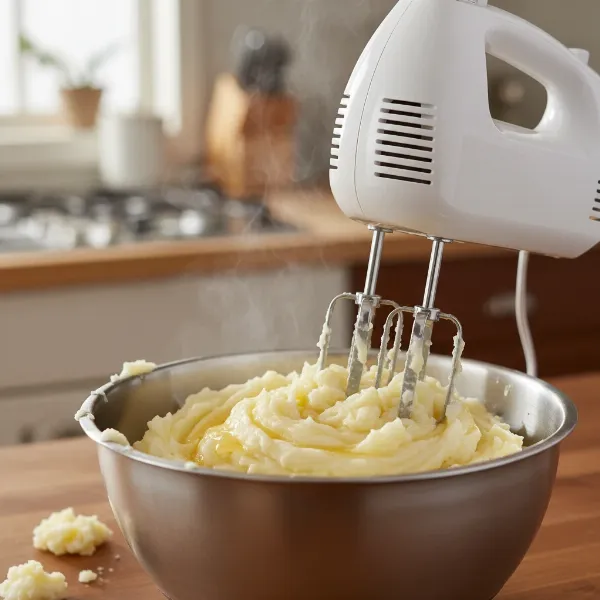
For any home baker or cooking enthusiast, a reliable hand mixer is an indispensable tool. It transforms tedious whisking into a quick, effortless task, making everything from fluffy meringues to perfectly blended batters a breeze. But as you navigate the world of hand mixers, you’ve likely encountered a specific type of attachment: silicone coated beaters. Promising gentler mixing, quieter operation, and protection for your precious mixing bowls, these beaters sound like a dream. But are they truly an upgrade, or just a costly gimmick? This comprehensive guide will delve into the world of silicone coated beaters to help you decide if they’re a worthwhile investment for your kitchen.
What Are Silicone Coated Beaters and Why Consider Them?
Silicone coated beaters are, at their core, traditional metal beaters encased or edged with a layer of food-grade silicone. This soft, flexible material differentiates them from standard all-metal attachments. The primary innovation behind these beaters is their ability to interact with your mixing bowls in a more forgiving way.
The main purpose of integrating silicone into beater design is to enhance the mixing experience and preserve your cookware. Traditional metal beaters, while effective, can sometimes clang against the sides of bowls, creating noise and, more importantly, potentially scratching surfaces, especially delicate non-stick coatings or ceramic bowls. Silicone coatings aim to mitigate these issues, offering a smoother, quieter, and more bowl-friendly mixing process. They are often marketed for their “scrape-down” capabilities, meaning the flexible silicone edge is designed to continuously scrape ingredients from the sides of the bowl as the mixer operates, theoretically reducing the need for manual scraping.
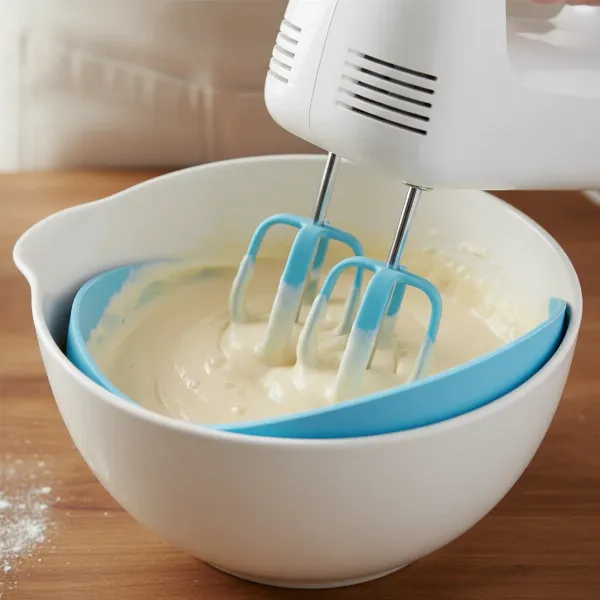 Close-up of hand mixer with silicone beaters gently mixing batter in a ceramic bowl, no scratches.
The Appeal: Benefits of Silicone Coated Beaters
The introduction of silicone-coated beaters has brought several attractive advantages to the kitchen, appealing to both casual cooks and serious bakers.
Gentle on Bowls and Cookware
|
Our Picks for the Best Hand mixer in 2026
As an Amazon Associate I earn from qualifying purchases.
|
||
| Num | Product | Action |
|---|---|---|
| 1 | OVENTE 5-Speed Corded Electric Hand Mixer with Stainless Steel Whisks, Compact Portable Design with Snap-On Storage Case,150W Lightweight Handheld Mixer for Baking & Cooking, Black HM151B |

|
| 2 | 600W Electric Hand Mixer Kitchen Handheld Mixer 10 Speed Powerful with Turbo for Baking Cake Lightweight & Personal Electric Mixer with Egg Baking Beaters Dough Hooks, Whipping Mixing Cookies |
|
| 3 | OVENTE 5-Speed Electric Hand Mixer with Stainless Steel Mixing Whisk, Snap-On Storage Case, Portable & Lightweight 150W Motor, Compact Handheld Mixer for Baking, Blending or Cooking, Red HM151R |
|
| 4 | KitchenAid 5 Ultra Power Speed Hand Mixer - KHM512, Aqua Sky |
|
| 5 | Hamilton Beach 6-Speed Electric Hand Mixer with Whisk, Traditional Beaters, Snap-On Storage Case, 250 Watts, White |
|
| 6 | OVENTE 5-Speed Corded Electric Hand Mixer with Stainless Steel Whisks, Compact Portable Design with Snap-On Storage Case,150W Lightweight Handheld Mixer for Baking & Cooking, White HM151W |
|
| 7 | Wellness Extract Multi-Speed Rechargeable Electric Milk Frother, Li-ion Battery Powered – Certified Safe, Ideal for Coffee, Matcha, Protein & Colostrum |
|
| 8 | KitchenAid 5-Speed Ultra Power Hand Mixer |
|
| 9 | Maestri House Rechargeable Milk Frother with Stand, LunaFro Handheld Electric Foam Maker Waterproof Detachable Stainless Steel Whisk Drink Mixer Foamer for Lattes, Cappuccino |
|
| 10 | KitchenAid 5-Speed Ultra Power Hand Mixer - KHM512, Contour Silver |
|
One of the most significant benefits of silicone coated beaters is their gentle nature on mixing bowls and other cookware. Unlike their rigid metal counterparts, silicone is a soft, non-abrasive material. This means that as the beaters spin and occasionally come into contact with the bowl, they are far less likely to leave unsightly scratches or chip delicate surfaces. For those who use expensive ceramic, glass, or non-stick coated bowls, this protection can extend the lifespan and maintain the pristine appearance of their kitchen essentials. This scratch-free operation is a major draw for many users.
Reduced Scraping and Improved Efficiency
Many silicone-coated beaters, particularly those with a “flex edge” design, are engineered to actively scrape the sides of the bowl during mixing. This continuous action helps to incorporate all ingredients more thoroughly and prevents them from sticking to the bowl walls. The promise is fewer interruptions to stop the mixer and manually scrape down the sides with a spatula, ultimately speeding up your mixing time. This can be a real time-saver, especially when working with sticky batters or when you need consistent, even mixing for delicate recipes.
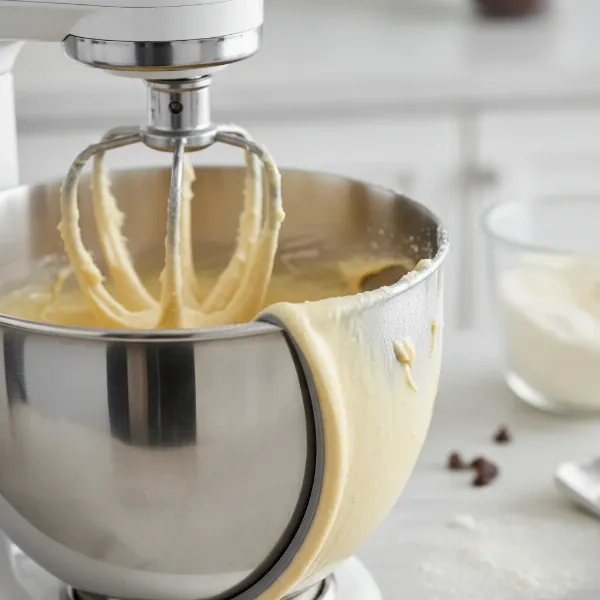 Flex edge beater in a hand mixer actively scraping cake batter from a mixing bowl side.
Quieter Mixing Experience
The clanging sound of metal beaters against a metal or glass mixing bowl can be quite jarring. Silicone or rubber-coated beaters offer a noticeable reduction in noise, providing a much quieter and more pleasant mixing experience. This can be particularly appreciated in open-plan kitchens or during early morning baking sessions when you want to avoid disturbing others. The softer material dampens the impact, transforming a harsh clang into a much gentler thud or even silence.
Versatility Beyond Standard Mixing
While their primary role is mixing, the heat-resistant properties of silicone can add an extra layer of versatility. High-quality silicone can withstand significant temperatures, making these beaters suitable for incorporating ingredients into warm mixtures without fear of melting or warping. This heat resistance means you can potentially use them in a wider range of culinary applications.
The Reality Check: Potential Downsides
While silicone coated beaters offer compelling advantages, they are not without their potential drawbacks. It’s crucial to consider these points before making a purchase.
Durability Concerns
Perhaps the most frequently cited concern with silicone coated beaters is their durability. Several users report that the silicone coating can tear, peel, or even snap over time, especially when encountering stiffer ingredients like cold butter or thick doughs. Once the silicone starts to degrade, it can worsen with each use, and there’s a risk of small silicone bits potentially flaking into your food. This breakdown can mean a shorter lifespan compared to solid metal beaters, potentially leading to earlier replacement costs.
Effectiveness Limitations
While designed to reduce scraping, some users find that silicone edges don’t always perfectly clear the bowl. Ingredients can still collect at the very bottom or on certain parts of the beater itself, requiring some manual intervention. The “scrape-down” effectiveness can vary greatly depending on the specific design of the beater, the consistency of the mixture, and the shape of your mixing bowl.
Cleaning and Maintenance
The design of some silicone-coated beaters, especially those where the silicone is an added edge rather than a full coating, can create crevices where food particles might get trapped. This can make them slightly more challenging to clean thoroughly compared to smooth, solid metal beaters. If not cleaned properly, trapped food can become a hygiene concern. While many are dishwasher safe, it’s essential to check manufacturer instructions and ensure no residue remains after washing.
Cost vs. Longevity
Silicone-coated beaters often come at a higher price point than standard metal beaters. Given the aforementioned durability concerns, the initial investment might not always translate into a longer-lasting product. For budget-conscious consumers, weighing the benefits of quiet, scratch-free mixing against the potential for premature wear and replacement costs is an important consideration.
Silicone vs. Metal Beaters: A Direct Comparison
To help you make an informed choice, let’s look at a direct comparison between traditional metal beaters and their silicone-coated counterparts.
| Feature | Metal Beaters | Silicone Coated Beaters |
|---|---|---|
| Material | Stainless steel, chrome-plated steel, or aluminum | Metal core with food-grade silicone exterior/edges |
| Durability | Very durable, long-lasting, resistant to breaking | Susceptible to tearing, peeling, or breaking over time |
| Bowl Protection | Can scratch or clang against bowls, especially non-stick | Gentle on all bowl types, prevents scratches |
| Noise Level | Can be noisy, clanking against bowls | Significantly quieter operation |
| Scraping | Requires frequent manual scraping | Designed to scrape bowl sides, reducing manual effort |
| Cleaning | Generally easy to clean, smooth surfaces | May have crevices where food can get trapped |
| Cost | Typically less expensive | Often more expensive |
| Ideal for | Heavy-duty mixing, general use, budget-friendly | Delicate bowls, quieter environments, reduced scraping |
Are Silicone Coated Beaters Worth the Money? Making Your Decision
The question of whether silicone coated beaters are worth the investment ultimately depends on your individual needs, baking habits, and priorities in the kitchen.
If you frequently use delicate mixing bowls—such as glass, ceramic, or non-stick—and are tired of the constant worry about scratches, silicone coated beaters can offer significant peace of mind. The ability to mix without fear of damaging your cherished bakeware is a major advantage. Similarly, if a quieter kitchen environment is important to you, the reduction in clanging noise can make a real difference in your cooking experience. For those who find stopping to scrape the bowl a constant interruption, the “scrape-down” feature, even if not perfect, can offer some relief.
However, if durability is your top concern, or if you frequently tackle very stiff doughs or cold, hard ingredients, you might find that traditional metal beaters offer more robust performance and a longer lifespan. The potential for silicone to degrade or tear over time is a genuine consideration, and replacing beaters more frequently could offset any perceived savings in bowl protection.
Consider your budget as well. If silicone beaters are significantly more expensive and you don’t frequently use delicate bowls, the added cost might not be justified for your specific needs. Ultimately, the value of silicone coated beaters lies in their ability to solve specific pain points—bowl protection, noise reduction, and reduced scraping—that metal beaters often create. If these are priorities for you, the investment may well be worth it.
“For home bakers with non-stick or ceramic mixing bowls, silicone-coated beaters are a game-changer for protecting your equipment and reducing noise. However, be mindful of the quality; not all silicone is created equal in terms of durability.” – handmixerguide.com Admin, Hand Mixer Expert
Tips for Using and Maintaining Your Silicone Coated Beaters
To maximize the lifespan and effectiveness of your silicone coated beaters, proper use and maintenance are key:
- Avoid Extreme Stress: While silicone is flexible, try to avoid forcing your beaters through extremely stiff or frozen ingredients. For very cold butter or dense doughs, consider allowing them to soften slightly first to reduce strain on the silicone.
- Gentle Cleaning: If handwashing, use a soft sponge and mild soap. Pay attention to any areas where the silicone meets the metal, ensuring no food particles are trapped. If dishwasher safe, place them on the top rack to avoid excessive heat or crushing by heavier items.
- Inspect Regularly: Periodically check your beaters for any signs of tearing, peeling, or degradation of the silicone. Addressing minor issues early can prevent further damage.
- Proper Storage: Store your beaters in a way that prevents them from being bent or crushed, which could potentially stress the silicone coating.
Conclusion
Silicone coated beaters offer a compelling blend of innovation and practicality, addressing common frustrations associated with traditional metal attachments. They excel in providing a gentler, quieter mixing experience, safeguarding your valuable mixing bowls from scratches, and aiming to reduce the need for constant manual scraping. While concerns about durability and cleaning nuances exist, their benefits for protecting cookware and enhancing user comfort are undeniable.
Ultimately, the decision to invest in silicone coated beaters comes down to your priorities. Do you value quiet operation and the longevity of your non-stick and ceramic bowls above all else? Or do you prioritize ultimate durability for heavy-duty tasks? By carefully weighing the pros and cons against your specific kitchen habits, you can confidently determine if silicone coated beaters are indeed worth the money for you.
What aspects of your current hand mixer experience would silicone-coated beaters most improve for your baking routine?
FAQ
Do silicone beaters truly prevent scratches on all types of bowls?
Yes, silicone coated beaters are designed with a soft, non-abrasive surface that is gentle on various bowl materials, including stainless steel, glass, ceramic, and non-stick coatings. This helps to prevent the scratches and scuffs that metal beaters can often leave behind, significantly extending the life and maintaining the appearance of your valuable bakeware.
How do silicone coated beaters compare to metal beaters in terms of mixing performance?
In terms of mixing performance, both silicone and metal beaters are effective for most common tasks like creaming butter and sugar, mixing batters, and whipping ingredients. Silicone beaters often feature edges that scrape the bowl as they mix, potentially leading to more thorough incorporation and less manual scraping. However, some users report that very stiff doughs can sometimes challenge the durability of silicone coatings.
Are silicone coated beaters generally more expensive than standard metal beaters?
Yes, silicone coated beaters typically come with a higher price tag compared to standard all-metal beaters. This increased cost reflects the specialized material and often the enhanced design features, such as flexible scraping edges. When considering the investment, factor in the benefits of bowl protection and quieter operation against the potential for a shorter lifespan compared to some robust metal options.